

















The risk of winter power outages is a growing concern across Europe. A sudden loss of electricity can cause a home's temperature to drop rapidly. This guide provides a practical roadmap on how to prepare your home and family for a winter outage, ensuring your household remains safe, warm, and connected.
What Causes Winter Grid Failures?
Winter grid failures are caused by a one-two punch: nature's fury meeting an aging system.
1. The Weather's Assault:
- Heavy Ice & Snow: Power lines are encased in ice and snow, snapping them under the sheer weight.
- Fierce Winds: Winter gales topple trees, sending them crashing into lines, transformers, and substations.
2. The Grid's Weakness:
- Exposed Lines: Most regions still rely on vulnerable overhead power lines—easy targets for storms.
- Aging Infrastructure: The old grid struggles under the dual strain of freezing temperatures and the surge in demand for heat, making failures more common and longer-lasting.
How an Outage Affects Your Home's Core Systems
A winter power outage immediately impacts your home's most critical systems. Electrically controlled central heating systems will shut down, and homes relying on well water will lose access as electric pumps fail. Life-sustaining medical devices, such as CPAP machines, and communication equipment like internet routers and mobile network towers also cease to function.
This initial failure often triggers a cascade effect. The loss of heating can lead to frozen and burst pipes, causing significant water damage. Without power, you also lose the ability to safely store food or receive emergency updates, compounding the initial problem into a more complex and dangerous situation.
The First Hour: Immediate Actions When the Power Goes Out
Initial Steps and Reporting
First, determine if the problem is only in your home by checking your circuit breaker panel. If the breakers are fine, look outside to see if your neighbors' homes are also dark. Once you confirm it is a wider grid issue, report the outage to your local utility provider using the contact information on a recent bill.
There are two critical safety rules to follow. Under no circumstances should you ever approach or touch a downed power line; always assume it is live and dangerous. Also, if you plan to use any combustion device for heat or cooking, ensure your carbon monoxide (CO) detectors have working batteries, as CO is an odorless and potentially fatal gas.
Securing Your Home for Warmth
Your immediate priority is to conserve heat. Gather everyone in a single, smaller room, preferably one that is well-insulated. Close the doors to all unused rooms, block drafts under doorways with towels, and close curtains to add another layer of insulation.
Focus on personal warmth by dressing in multiple, loose-fitting layers. It is more effective to use insulated sleeping bags and thermal blankets to trap body heat than to try heating a cold space.
Managing Food, Water, and Sanitation Without Power
How Do I Keep Food Safe Without Power?
To preserve your perishable food, keep refrigerator and freezer doors closed as much as possible. A closed refrigerator will keep food cold for about 4 hours. A full freezer can maintain its temperature and keep food frozen for approximately 48 hours; a half-full one will last about 24 hours.
Create a dedicated food plan centered on non-perishable items. Stock your pantry with canned goods, dried fruit, nuts, and energy bars that require no cooking or refrigeration. Always keep a manual can opener with your emergency supplies. If you have a safe, outdoor-rated cooking method like a barbecue or a designated camping stove, you can plan for simple hot meals. Canned soups, beans, or pre-cooked rice can provide a much-needed warm and morale-boosting meal.

How Can I Secure Water and Maintain Hygiene?
If your home relies on an electric pump for water, your supply will stop when the power goes out. Before an anticipated storm, fill bathtubs and large containers with water for flushing toilets and basic washing. This simple step ensures you have a reserve for sanitation needs.
Maintain a separate, dedicated stock of bottled water for essential use. The standard recommendation is to have at least 4 liters of water per person, per day, for drinking and cooking. Having this supply on hand is critical for hydration and food preparation.
Safe Heating and Lighting Solutions During an Outage
What Are Some Power-Free Warming Techniques?
You can maintain warmth without electricity through passive heating methods. High-quality insulated sleeping bags rated for cold temperatures are extremely effective. Use thermal curtains to block cold from windows and employ chemical hand warmers for a quick, personal heat boost.
Your top priority should be to block all drafts. Meticulously seal any gaps under doors and around window frames using towels, blankets, or commercially available draft stoppers. Preventing cold air from entering is crucial for retaining any existing warmth in your home.
How Can I Use Backup Power for Essential Comforts?
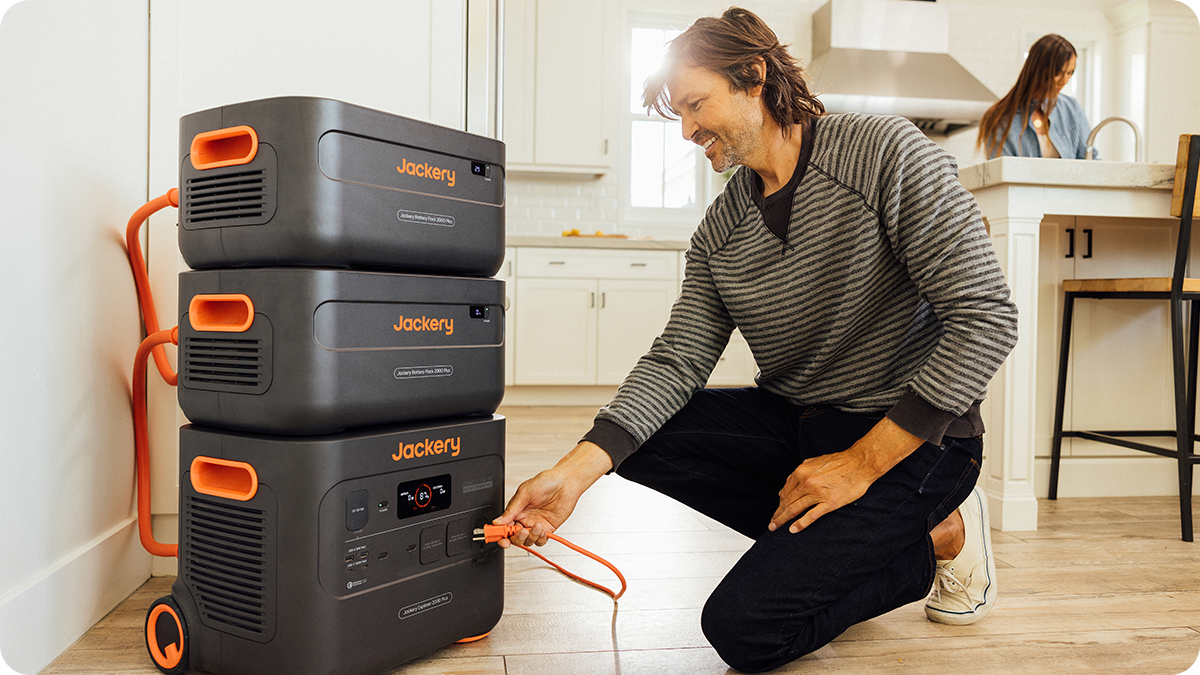
A small, efficient electric heater can provide crucial warmth to a small, enclosed space, but it requires a significant amount of power. It can be safely operated if connected to an appropriately sized portable power station with sufficient wattage output and capacity. Always check the heater's power draw against the station's specifications.
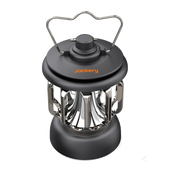
For lighting, prioritize LED technology. Battery-powered or rechargeable LED lanterns and headlamps are far safer and more efficient than candles, which pose a significant fire risk. Headlamps are particularly useful as they keep your hands free for other tasks.
Choosing a Suitable Portable Power Station
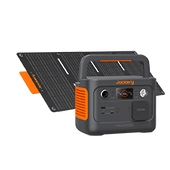
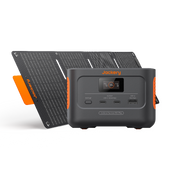
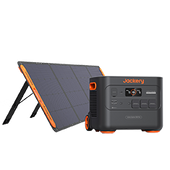
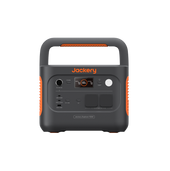
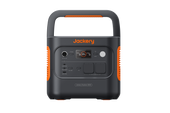
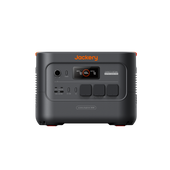
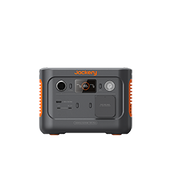
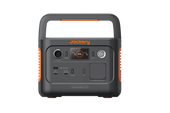
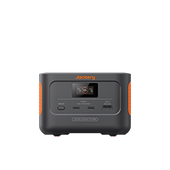
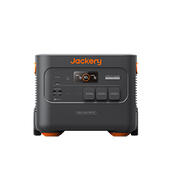
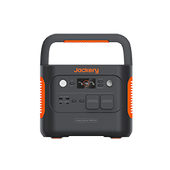
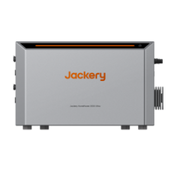
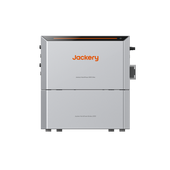
To select the right portable power station, first list your essential devices. Prioritize critical needs like communications (phone, router), lighting, and any vital medical equipment, such as a CPAP machine. Calculating the total wattage of these devices will help you determine the capacity you need. Different needs require different solutions, as shown below.
|
Use Case |
Recommended Model |
Key Benefit |
|
Charging phones, cameras, and personal tech |
Jackery Explorer 240 v2 (256Wh) |
Compact and portable for basic communication needs. |
|
Keeping a router and laptop running for work |
Jackery Explorer 500 v2 (512Wh) |
Longer uptime for connectivity and productivity. |
|
Powering multiple small essentials |
Jackery Explorer 1000 v2 (1070Wh) |
Greater capacity for lights, router, and a small appliance. |
Preventing Long-Term Home Damage
How to Prevent Frozen Pipes
During a prolonged cold snap without power, one of the biggest risks is frozen pipes. To prevent this, allow faucets in vulnerable areas (like those on exterior walls) to drip slowly. This continuous movement of water can stop it from freezing and bursting the pipe.
You should also insulate any exposed plumbing. Open cabinet doors under kitchen and bathroom sinks to allow the warmer air from the room to circulate around the pipes. This small step can make a significant difference.
How Should I Prepare My Property Before Winter?
Seasonal maintenance can reduce the risk of power loss. Before winter arrives, trim any tree branches that overhang or are close to the power lines leading to your house. Secure loose outdoor items like furniture or garden tools that could become projectiles in high winds.
If your property sustains damage during a storm, document it immediately. Take clear photos of any damage and keep all receipts for emergency supplies or repairs. This documentation is essential for supporting any subsequent insurance claims.
Your Winter Outage Action Plan & Emergency Kit
- Warmth & Shelter: Layered clothing, insulated sleeping bags, and heavy wool blankets.
- Lighting: Battery-powered or rechargeable LED headlamps and lanterns with extra batteries.
- Information: A battery-powered or hand-crank radio to receive official updates.
- Food & Water: A 3-7 day supply of non-perishable food, a manual can opener, and at least 4 liters of water per person, per day.
- First-Aid & Health: A complete first-aid kit and a one-week supply of all essential medications.
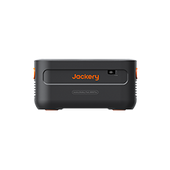
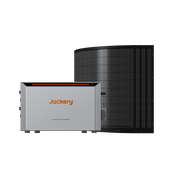
- Power: A fully charged power bank or a portable power station like a Jackery Explorer, sized for your essential devices. Consider these power backup solutions for grid outages.
- Safety: Carbon monoxide and smoke detectors with fresh batteries.
What Is the Action Plan for Different Outage Durations?
- Short Outage (0-6 hours): Report the outage to your utility provider. Conserve your mobile phone's battery and avoid opening the refrigerator or freezer.
- Medium Outage (6-72 hours): Use your portable power station to keep communication devices charged. Prepare simple, no-cook or safely cooked meals, and check on elderly or vulnerable neighbors.
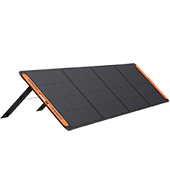
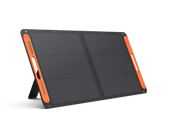
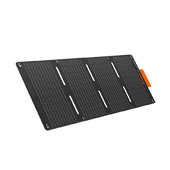
- Prolonged Outage (3+ days): If you have solar panels, begin recharging your power station during daylight hours. Conserve water and fuel, and listen to local radio for information on community shelters if your home becomes unsafely cold.
Build Resilience Through Preparation
When facing winter outages, your priorities must be clear. Life safety—which includes staying warm and preventing carbon monoxide poisoning—comes first, followed by maintaining communications and ensuring a safe supply of food and water. These are the pillars of a successful response.
Frequently Asked Questions
How can I communicate with neighbors during a widespread outage if mobile networks are down?
Use alternative methods like two-way FRS/GMRS radios for short-range communication. You can also establish a pre-arranged physical meeting point in your neighborhood for sharing information.
Are there any smart home devices that can help monitor energy consumption more efficiently during an outage?
Smart thermostats with low-power modes can reduce heating system draw, while smart plugs and energy monitors can track appliance consumption. This allows you to prioritize essential devices and maximize your backup power's runtime.