

















Recent years have brought a new level of uncertainty into our daily lives. We see headlines about strained supply chains, widespread health concerns, and feel a general anxiety about the future.
So in order to create a resilient home environment for you and your family, this SHTF guide provides a clear, actionable survival list to protect your family without causing fear.
The Core Priorities of Survival: A Foundational Checklist
Before buying any gear, you must understand the universal order of survival needs. All your planning efforts should be guided by this foundational checklist.
- Water: Securing a safe, reliable supply for drinking and hygiene.
- Shelter & Warmth: Protection from the elements to prevent exposure.
- Health & Sanitation: First aid, hygiene, and preventing illness.
- Food: Caloric intake for energy and morale.
- Power & Communication: Maintaining critical systems and situational awareness.
Water Security: Your Absolute First Priority
Dehydration can become life-threatening in as little as three days, making water your non-negotiable first priority. Your goal is to have a robust, multi-layered plan for securing safe water.
How Much Water Should You Store?
Aim for a minimum of 3-4 liters per person, per day. This amount covers essential drinking needs and basic hygiene like hand washing. A family of four would need at least 12-16 liters per day.
What Are the Best Ways to Store Water?
Store water in clean, durable, food-grade containers away from direct sunlight. Commercially bottled water is an excellent starting point. If you store tap water, rotate it every six months to ensure freshness.
How Can You Purify Water?
Never assume an unknown water source is safe to drink. You must have multiple methods to make it potable. Common methods include bringing water to a rolling boil for at least one minute, using chemical purification tablets, or employing a mechanical filter.
A quality filter should be your primary tool, capable of removing bacteria (like E. coli) and protozoa (like Giardia). For maximum safety, look for filters that can also handle viruses.
Actionable Tip
Do not wait for an emergency to learn how your equipment works. Own at least one high-quality personal water filter and practice using it with a local water source, like a stream or lake, so you are confident in its operation before a crisis strikes.
Food Strategy: Building a Resilient and Practical Pantry
While the human body can survive for weeks without food, a lack of calories quickly leads to poor decision-making, low energy, and plummeting morale. A smart food strategy is about more than just stockpiling; it's about practical, sustainable nutrition.
How Should You Plan Your Food Supply?
Break your food plan into manageable stages.
- 72 Hours: Focus on no-cook, high-calorie, ready-to-eat foods. Energy bars, jerky, nuts, and dried fruit are ideal for a "grab-and-go" bag.
- 2-4 Weeks: Build a pantry of canned goods and dry staples that your family already eats. This includes items like rice, pasta, beans, tinned fish, and canned vegetables.
- Long-Term: For extended disruptions, the focus shifts from storing to producing. Develop skills like gardening, sprouting, and basic food preservation techniques.
What Are the Best Low-Tech Cooking Methods?
Grid-down cooking requires safe, reliable methods. A portable gas camping stove is an excellent option. Calculate your fuel needs based on cooking two hot meals per day and have a safe storage plan for extra canisters.
Why is Food Morale Important?
In a stressful SHTF situation, small comforts can have a huge psychological impact. Stocking items like coffee, tea, chocolate, or hard sweets can provide a much-needed sense of normalcy and boost morale.
What is the Smartest Way to Shop for Survival Food?
The most effective rule for building your food supply is to only buy and store foods that are part of your family's regular diet. This ensures nothing goes to waste, as you will naturally rotate through your stock, and guarantees your family will actually eat the food when it matters most.

Shelter and Warmth: Defending Against the Elements
Hypothermia is a silent and efficient killer, even in moderately cool climates. Maintaining your core body temperature is a critical survival task.
Should You Bug In or Bug Out?
For the vast majority of scenarios, sheltering in place ("bugging in") is the safest and most practical option. Your home is your primary shelter; it contains your supplies, offers superior protection from the elements, and is a familiar environment.
How Can You Winter-Proof Your Home?
Take steps to make your home as thermally efficient as possible. Use plastic film kits to insulate windows, apply weather stripping to seal drafts around doors, and use draft excluders at the bottom of doors. Have safe, indoor-rated heating options ready, such as a propane or kerosene heater designed for indoor use.
How Should You Dress to Stay Warm?
Dress for warmth using the proven three-layer system. A moisture-wicking base layer (wool or synthetic) keeps sweat off your skin, an insulating mid-layer (fleece or down) traps body heat, and a waterproof, windproof outer shell protects you from the elements.
What Should Be in an Emergency Shelter Kit?
If circumstances force you to leave your home, even temporarily, you need a backup plan. Keep heavy-duty tarps, rope, and duct tape or even a simple tent ready to create a temporary emergency shelter.
Health, First Aid, and Sanitation
In a crisis where professional medical help may be delayed or unavailable, minor injuries and illnesses can quickly become major problems. Prevention and basic care are paramount.
What Should Be in a Comprehensive First-Aid Kit?
Go beyond a simple box of plasters. Your kit should be tailored to your family's needs.
- Core Supplies: Stock a wide variety of bandages, sterile dressings, antiseptic wipes, medical tape, tweezers, scissors, and common over-the-counter medications for pain, fever, and digestive issues.
- Trauma Care: Consider adding a commercial tourniquet and pressure dressings for severe bleeding. However, this gear is useless without knowledge; seek out certified first-aid training to learn how to use it correctly.
- Long-Term Medication: If anyone in your family relies on prescription medication, speak with your doctor about creating a plan for managing your supply during a disruption.
How Can You Maintain Sanitation and Prevent Disease?
Poor sanitation is a primary vector for disease in a disaster. Stockpile essential supplies like bar soap, hand sanitizer, and household disinfectants. You must also have a plan for waste management; a simple bucket toilet with heavy-duty bin liners and a sanitizing agent (like cat litter or sawdust) can be a crucial tool for maintaining hygiene.
Power and Light: Maintaining Critical Systems
Modern life depends on electricity. While widespread power outages are less common in Europe than in other regions, localized or prolonged disruptions can still occur, making a backup power plan essential.
What Are Your Power Priorities?
You don't need to power your whole house. Focus on the essentials first: communication devices (phones), critical lighting (LED lanterns), and any essential medical equipment (like a CPAP machine).
How Do Different Power Solutions Compare?
- Basic: High-quality rechargeable batteries, hand-crank devices (for radios/torches), and small personal solar power banks are a good starting point for keeping phones charged.
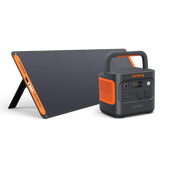
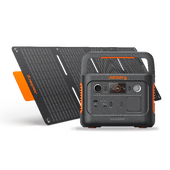
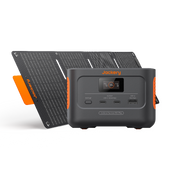
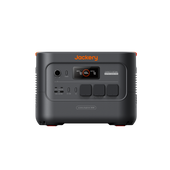
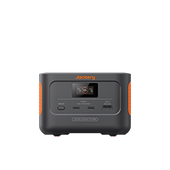
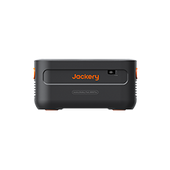
- Advanced: Portable power stations paired with solar panels offer a superior solution. They provide silent, fume-free, and scalable power that can be replenished daily, making them a cornerstone of modern Practical Preparedness. To learn more, you can explore how to build your home power backup system.
What is the Essential Portable Power Station Do You Need when SHFT?
A mid-size portable power station provides significant capability during an outage.
Jackery Solar Generator 1000 v2
- Capacity: 1070Wh
- Output: 1500W
- Recharge Time: Emergency supercharging from 0-100% in 1 hour.
- A unit like this can run a 10W WiFi router for 35.1 hours, maintaining vital communication links and access to information.
How Can You Practice Power Management?
Before a crisis, test your power setup. Understand how much energy your critical devices consume and how long your power station can run them. This practice run eliminates guesswork when it counts.
Communication and Information: Staying Connected and Aware
In a widespread emergency, information is as vital as any physical supply. Knowing what is happening allows you to make informed decisions.
How Can You Secure Reliable Information?
Mobile networks and the internet may fail. A battery or hand-crank-powered AM/FM radio is essential for receiving official broadcasts and updates from emergency services.
How Can You Coordinate Locally?
For communicating with family or immediate neighbors when phone service is down, license-free PMR446 walkie-talkies are an excellent, low-cost tool for short-range coordination.
Why is Backup Navigation Important?
GPS is a convenience that relies on a fragile system. Own physical maps of your local area, region, and country. More importantly, have a quality compass and practice using them together for basic navigation.
How Do You Create a Family Comms Plan?
Establish a clear communication plan with your family. Designate two meeting points (one close to home, one further away) and an out-of-area contact person that everyone can call or text to check in with.
Essential Skills and Mindset: Your Most Valuable Assets
The best gear in the world is useless without the knowledge to use it. Your skills and mindset are the most important parts of your survival list.
Why Do Skills Outweigh Gear?
Prioritize learning over buying. Master basic skills like first aid, water purification, fire-starting, and map navigation. Practicing these skills, perhaps during a weekend of wild camping in the EU, builds true confidence.
How Can You Start Preparing Without Feeling Overwhelmed?
Avoid feeling overwhelmed by focusing on one category at a time. Dedicate one month to water, the next to food, and so on. This methodical approach makes preparedness a manageable and sustainable habit.
Your First 30-Day Action Plan
- Week 1: Assemble a 72-hour kit with no-cook food, bottled water, and a written copy of your family communication plan.
- Week 2: Purchase and test a quality water filter. Build your core first-aid kit with bandages, antiseptics, and over-the-counter medications.
- Week 3: Acquire a reliable light source (LED lantern) and a backup power solution for your phone, like a small power bank or solar generator.
- Week 4: Practice one new skill, such as reading a local map with a compass. Walk the perimeter of your home and review its basic security.
Frequently Asked Questions
How can I effectively involve my family, especially children, in preparedness without causing undue fear or anxiety?
Frame it as a fun family project, like "adventure camping at home." Involve kids in age-appropriate tasks like checking flashlight batteries, rotating food stocks ("eating our adventure food"), or practicing with walkie-talkies.
What are some easily overlooked items that can significantly improve comfort and morale during a long-term SHTF event?
Items like a good book, a deck of cards, instant coffee, hard candy, and extra pairs of high-quality wool socks can provide immense psychological comfort and a sense of normalcy when it's needed most.
What are the essential items I should prioritize to cover the most critical survival needs?
Prioritize a quality water filter, a multi-tool, a heavy-duty tarp (for shelter or water collection), a first-aid kit with trauma supplies, and a reliable fire-starting kit (lighter, ferro rod, tinder).


