

































Popular Festivals in Europe: Top Events You Can’t Miss
Europe knows how to celebrate. From world-famous music weekends to historic cultural events that fill city streets with colour, food, and tradition, festivals across the continent offer far more than entertainment alone.
This guide explores some of the most popular festivals in Europe, starting with five of the best-known events in the EU before moving through standout festivals by season. It also covers practical travel tips, a useful festival packing list.
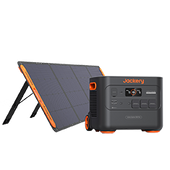
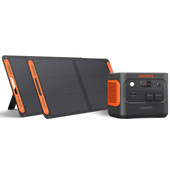
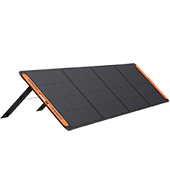
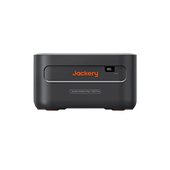
For travellers who plan to camp, road trip, or spend long days outdoors, a portable power solution such as a Jackery Portable Power Station can also make festival travel more convenient.
|
Key Takeaways: |
|
Top 5 Most Popular Festivals in Europe
If you are choosing by international fame, travel appeal, and the kind of events people build whole trips around, these five are among the strongest picks in the EU. Each one offers a very different side of festival culture, so this section works best as a practical shortlist rather than a strict ranking.
1. Oktoberfest, Munich, Germany
When: Usually late September to early October. The official 2026 dates are 19 September to 4 October.
Where: Theresienwiese, Munich.
Best for: Travellers who want classic Bavarian atmosphere, beer tents, fairground rides, and big-group energy.
Highlights:
The opening keg tapping by Munich’s mayor at noon on opening day.
The traditional costume and marksmen parade on the first Sunday.
Huge beer tents, rides, booths, and the more traditional Oide Wiesn area.
Oktoberfest is far more than a beer event. The official site describes it as the festival of the City of Munich and the largest folk festival in the world, and that wider identity matters when you arrive. Alongside the beer halls, there are parades, music, food, family attractions, and a distinctly local rhythm that makes it feel rooted in Bavarian culture rather than just nightlife.
Expert Tips: Do not plan on driving right up to the festival grounds. The official visitor guidance says there is no parking directly at the Theresienwiese, and recommends public transport or P+R facilities instead. Munich’s U-Bahn, S-Bahn, buses, and trams run frequently during the festival, and the site is also walkable from the main station.
(Video Source: Oriana Findlay)
2. Tomorrowland, Boom, Belgium
When: Weekend 1: 17–19 July 2026; Weekend 2: 24–26 July 2026.
Where: De Schorre, Boom, Belgium, between Antwerp and Brussels.
Best for: Electronic music fans, big-stage production lovers, and travellers who want a festival that feels global.
Highlights:
Two full weekends of programming in one of Europe’s most famous electronic festivals.
DreamVille, the official camping and accommodation area.
A large-scale, multi-stage setup; the festival’s official retrospective for 2025 highlighted more than 400,000 attendees, 16 stages, and 850+ artists.
Tomorrowland is the blockbuster entry on this list. It is built around electronic music, but what makes it stand out is the sense of theatrical world-building: themed stages, immersive visual design, camping culture, and a crowd drawn from around the world. It feels less like a single concert and more like a temporary city for dance music fans.
Expert Tips: The official practical guide says the site can be reached by bike, public transport, or car, and that DreamVille also has dedicated access points plus airport shuttles from Brussels Airport, Brussels South Charleroi, and Eindhoven Airport. In practice, that makes public transport or shuttle planning the smart option, especially if you are camping.
(Video Source: Tomorrowland)
3. Venice Carnival, Venice, Italy
When: Usually late January to mid-February. The official 2026 edition ran from 31 January to 17 February.
Where: Across Venice, with major events in places such as Piazza San Marco, the Arsenale, Mestre, and other city venues.
Best for: Travellers who love history, photography, costumes, city breaks, and a more elegant festival atmosphere.
Highlights:
Iconic masks and costumes, plus long-standing carnival traditions.
The water parade, Venice Carnival Street Show, and Festa delle Marie.
The Arsenale Water Show, one of the festival’s signature night events.
Venice Carnival is one of Europe’s most visually distinctive festivals. According to the official site, its origins date back to 1094, and the modern festival was revived in 1979. What gives it lasting appeal is the mix of spectacle and place: masks, theater, sweets, palaces, lagoon settings, and narrow streets that already feel theatrical before the programme even begins.
Expert Tips: Venice rewards planning. The official site advises visitors to schedule their visit in advance and use Venezia Unica to book services online. For getting around, public transport tickets and passes can be purchased ahead of time, and the official guidance also stresses respectful travel in a city where walking is part of the experience.
(Video Source: Rick Steves)
When: The last Wednesday of August. The official 2026 date is 26 August 2026.
Where: Buñol, near Valencia, Spain.
Best for: Adventurous travellers, friend groups, and anyone after a one-of-a-kind summer bucket-list festival.
Highlights:
The world-famous tomato fight in the streets of Buñol.
A festival story that officially traces back to 1945.
Ticketed access with official wristband exchange and optional organised transport packages.
La Tomatina is shorter and more chaotic than the other festivals here, but that is part of its appeal. It is one of those European events that people recognise instantly, even if they have never been. What began, according to the official history, as a scuffle among young people during a local parade became one of Spain’s most internationally known festival experiences.
Expert Tips: Enjoying La Tomatina has a lot to do with following the rules. The official guidance says not to bring bottles or hard objects, to squash tomatoes before throwing them, to keep a safe distance from the lorries, and to stop throwing when the second warning firework sounds.
(Video Source: La Tomatina de Buñol)
5. Sziget Festival, Budapest, Hungary
When: The official 2026 edition is set for 11–15 August.
Where: Óbuda Island, Budapest, Hungary.
Best for: Travellers who want a full festival holiday, not just a few headline shows.
Highlights:
An island setting in the middle of Budapest, with the city still easily reachable.
A broader programme that goes beyond music into arts and live experiences. (#SZIGET2026)
Camping and accommodation options that let you stay on-site and make the festival feel like a mini summer world of its own.
Sziget stands out because it blends the scale of a major music festival with the feel of a holiday base. The official site leans into that idea directly, presenting it as “The Island of Freedom” and pairing the festival itself with Budapest’s wider cultural appeal. That combination makes it especially attractive for European travellers who want several days of music without losing easy access to a real city.
Expert Tips: The official travel page says the festival is well connected by plane, train, bus, car, and bike, but also notes that close parking is very limited and suggests alternative arrival methods. If you do drive, book parking in advance. If you want the easiest experience, go by rail or public transport and stay on the island to avoid daily commuting.
(Video Source: Sziget Festival)
Popular Festivals in Europe in Different Seasons
One of the best things about festival travel in Europe is that the calendar never really goes quiet. Spring brings flowers and street traditions, summer is built for open-air music and all-day city celebrations, autumn leans into food, folklore and big cultural events, and winter turns whole streets into theatre, light and costume.

European Festivals in Spring
Bloemencorso Bollenstreek, Netherlands
When: 15–19 April 2026, with the main flower parade on 18 April 2026.
Where: The Bollenstreek route from Noordwijk to Haarlem in the Netherlands.
Highlights:
A 42-kilometre parade of floats decorated with hyacinths, tulips and daffodils.
A wider programme that includes Decoration Days, an illuminated parade, and float displays.
Nearly one million visitors and recognition as Dutch Intangible Cultural Heritage.
This is one of the most unmistakably spring-like events in Europe. Bloemencorso Bollenstreek is not just a parade you stand and watch for half an hour. It feels like a regional celebration of the flower season itself, with towns along the route turning into viewing points and day-trip bases. The official site describes it as the largest spring festival in the Netherlands, and that scale shows in the atmosphere as much as in the floats.
For travellers, it works especially well as a slow, scenic spring experience rather than a rushed city break. You can pair it with Keukenhof or tulip-field visits nearby, but the parade is worth treating as the main event in its own right.
When: 21–26 April 2026.
Where: Seville, at the city’s fairground area.
Highlights:
The alumbrao, when the lights of the fairgrounds and main gateway are switched on.
More than a thousand casetas, plus sevillanas, food, wine and a late-night social atmosphere.
The horse-and-carriage parade, Calle del Infierno fairground rides, and the closing fireworks display.
Seville’s April Fair is one of those festivals that immediately feels local, even though it attracts international visitors every year. The official Spain tourism page notes that it began in 1847 as a cattle fair and gradually became one of the city’s most important social events. That history still matters, because the fair is built around traditions that locals actively live rather than simply perform for visitors.
What makes it memorable is the mix of detail and scale. The dresses, the lanterns, the casetas, the horses and the music all make the fair feel like a temporary city within the city. It is lively, elegant and sometimes a little overwhelming in the best way.
European Festivals in Summer
Primavera Sound, Barcelona, Spain
When: Main festival days 4–6 June 2026, with Primavera a la Ciutat running 1–7 June 2026.
Where: Parc del Fòrum, Barcelona.
Highlights:
Three main festival days with a major international lineup.
A citywide extension through Primavera a la Ciutat.
A seafront setting in Barcelona that keeps the trip feeling like both a festival and a city holiday.
Primavera Sound suits travellers who want a music festival without giving up the pleasures of a proper city break. Barcelona does a lot of the work for you here: sea views, late dinners, public transport and neighbourhoods that still feel alive after the headline sets end. The festival’s own programme structure also helps, because the city component means the experience stretches beyond one fenced site.
It also tends to appeal to people who care as much about curation as spectacle. Primavera has a strong identity of its own, and that matters when you are planning a European summer festival trip.
When: 27 June to 4 July 2026.
Where: Roskilde, Denmark, with the festival address listed as Festivalpladsen, Darupvej 19, 4000 Roskilde.
Highlights:
About 180 music acts and a broader programme that also includes talks, art and other cultural elements.
Seven stages and more than 130,000 participants.
A strong camping culture and a festival model that is explicitly non-profit.
Roskilde feels bigger than a standard music weekender. It has the size and infrastructure of a temporary city, but it also has a strong sense of purpose. The official materials put real emphasis on its non-profit structure and charitable model, which gives the event a slightly different character from purely commercial summer festivals.

European Festivals in Autumn
When: 19 September to 4 October 2026.
Where: Theresienwiese, Munich.
Highlights:
The opening and tapping ceremony on the first day.
The traditional costume and marksmen parade.
Beer tents, rides and a huge citywide folk-festival atmosphere.
Autumn in Europe does not get much more iconic than Oktoberfest. Even if you have seen endless photos of the tents, it still surprises first-time visitors with how large and layered it is. The official site presents it as the festival of the City of Munich, and that is a useful way to think about it. This is not just a drinking event. It is a civic festival with rituals, music, food, rides and a strong Bavarian identity.
Amsterdam Dance Event, Netherlands
When: 21–25 October 2026.
Where: Amsterdam, across more than 300 venues.
Highlights:
More than 1,200 events across five days and nights.
More than 3,300 artists across the festival and arts programme.
A blend of festival, conference, networking and arts & culture.
ADE is a different kind of autumn festival pick because it spreads across a whole city instead of concentrating everyone in one field or square. That gives it a more urban rhythm.
One venue can feel like a club weekend, another like an industry summit, and another like an arts programme. It is not only for music professionals, but it definitely attracts people who want more depth than a standard ticket-and-headliner setup.
That variety is the point. Amsterdam becomes the venue, and the festival becomes something you build for yourself from venue to venue.
European Festivals in Winter
When: The official Basel City Guide lists the next edition for 15–17 February 2027; the 2026 programme ran 23–25 February 2026.
Where: Basel, Switzerland.
Highlights:
Morgestraich, when the city centre goes dark at 4:00 a.m. and lantern-lit groups begin marching.
The cortège, lantern exhibition, Guggenkonzert and Schnitzelbanks.
UNESCO recognition for the carnival’s cultural importance.
Basel Fasnacht feels unlike almost any other winter festival in Europe. It is satirical, musical, handmade and slightly mysterious, especially at the opening Morgestraich. The lanterns, piccolos and drums give it a tone that is less polished spectacle and more living tradition. That is what makes it so memorable for visitors. It does not feel designed around tourist convenience.
Fête des Lumières, Lyon, France
When: It is held annually around 8 December; the latest official edition ran from 5 to 8 December 2025, and Lyon has already opened the 2026 project call.
Where: Lyon, France.
Highlights:
A free city festival organised by the City of Lyon.
Large-scale light installations and illuminated public spaces across the city.
A tradition linked to Lyon’s identity as the City of Lights and the custom of placing lumignons on balconies.
Lyon’s Festival of Lights is one of the easiest winter festivals to love because it transforms an entire city without demanding specialist knowledge from the visitor. You can simply walk, look up and let the evening unfold. That simplicity is part of its charm. The installations may be ambitious, but the festival still feels open and civic rather than exclusive.
Packing List for Festivals in Europe
Packing for a festival in Europe is not only about bringing enough clothes or remembering your ticket. It is really about preparing for long days outdoors, sudden weather changes, crowded spaces, patchy phone battery, and a lot of walking. A good festival bag should help you stay comfortable, safe, and flexible without making you carry too much.

Tickets, Booking Confirmations, and ID
This is the first thing to sort because everything else becomes useless if you cannot actually enter the event or check into your accommodation. Bring your festival ticket in the format required, whether that is a printed copy, a wristband confirmation, or a digital ticket stored on your phone.
Phone, Charger Cables, and Power Bank
Your phone usually becomes your ticket holder, map, camera, message tool, emergency contact device, and travel organiser all at once. That means battery anxiety is a real part of festival travel. A standard power bank is useful for short events, day festivals, and city-based celebrations where you mainly need a quick top-up.
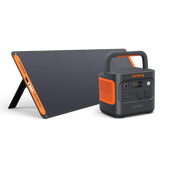
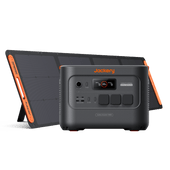
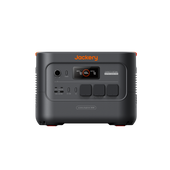
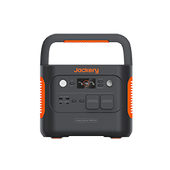
For longer trips, camping festivals, van travel, or festivals held in more open outdoor areas, a portable outdoor power supply can be much more practical than relying only on small power banks. This is where a Jackery Portable Power Station fits naturally into festival travel.
Comfortable Clothing
Festival clothing should be practical first and stylish second, even if the event has a strong fashion culture. Europe’s festival season can look sunny in the morning and turn cold, wet, or windy by the evening, so it is better to pack pieces you can layer.
Good Walking Shoes or Boots
Shoes can make or ruin a festival experience. You may end up walking several kilometres in one day without really noticing, especially at large festivals where campsites, stages, food stalls, toilets, and transport points are all spread out. Comfortable trainers, walking shoes, or weatherproof boots are usually the safest options.
Small Backpack or Crossbody Bag
You need something that keeps your essentials close without becoming heavy or awkward in a crowd. A small backpack is helpful for longer days, while a compact crossbody bag may work better for city festivals or evening events where you only need the basics.
Reusable Water Bottle
Staying hydrated matters more than many first-time festivalgoers expect, especially in summer. A reusable bottle helps you save money and makes it easier to drink regularly rather than waiting until you are already tired or dehydrated. Some venues have refill points, and many European festivals increasingly encourage reusable items instead of single-use plastic.
Toiletries and Personal Hygiene Items
A basic hygiene kit makes a huge difference at festivals, especially camping ones. Wet wipes, tissues, hand sanitiser, deodorant, a toothbrush, toothpaste, and sanitary products are all worth packing. These are the items people often remember too late, usually after arriving on-site and seeing the queue at the temporary shop.
Sunscreen and Sunglasses
Even in parts of Europe that do not feel extremely hot, long outdoor exposure can still leave you burnt and drained. Sunscreen is essential for summer festivals, but it is also worth packing in spring and early autumn when people often underestimate UV exposure. A small bottle that fits in your bag is usually enough for reapplying during the day.
Earplugs
Earplugs are a small item with a surprisingly big impact. At music festivals, they help protect your hearing near speakers and in packed late-night areas. At camping festivals, they can also help you sleep when the people in the next tent are still talking, laughing, or playing music long after you planned to rest.
Basic First-aid Items
You do not need to bring a full medical kit, but a few basics are always useful. Plasters, blister pads, pain relief, personal medication, rehydration sachets, and antiseptic wipes can help with the sort of small problems that happen all the time at festivals.
Portable Seating or Picnic Blanket
Not every festival has enough clean, dry, comfortable places to sit. A foldable picnic blanket works well for day festivals, food festivals, and open-air cultural events in parks or public squares. For camping or all-day outdoor events, a lightweight folding chair can be even better if allowed.
If your festival includes camping, the list naturally gets longer. You may need a tent, sleeping bag, sleeping mat or air bed, pillow, torch, extra layers, camp chair, and simple food storage.
|
Festival Packing List |
||
|
Tickets |
Booking Confirmation |
ID |
|
Phone and Charger |
Portable Power |
Comfortable Clothing |
|
Waterproof Jacket |
Good Walking Shoes |
Small Backpack |
|
Reusable Water Bottle |
Snacks |
Toiletries |
|
Sun Protection |
Hat |
Warm Accessories |
|
Earplugs |
Card & Cash |
Basic First Aid Kit |
|
Portable Seating |
Picnic Blanket |
Camping Gear |
Jackery Portable Power Stations for Festivals
Festival trips in Europe often mean long hours outdoors, limited access to plugs, and constant use of phones, cameras, lights, and other small devices. That is why a portable power station can make a real difference, especially for camping festivals, road trips, and full-day outdoor events. Jackery Portable Power Stations fit naturally into this kind of travel because they are designed for mobile use and off-grid convenience.
A good festival power setup should be easy to carry, simple to recharge, and practical for the devices people actually use on the move. Jackery’s smaller units work well here because they focus on portability, multi-device charging, and outdoor-friendly use rather than trying to act like a full home backup system.
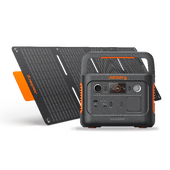
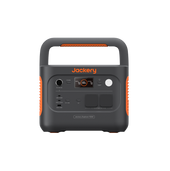
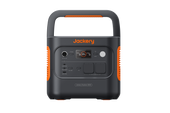
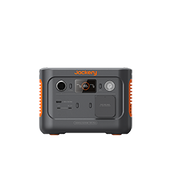
Jackery Explorer 300D
Taking the Jackery Explorer 300D to a European music festival (like Glastonbury, Tomorrowland, or Sziget) is a brilliant move because it’s designed specifically for "mobile living" rather than just being a heavy battery box.

The "Featherweight" Champion
Most power stations are a chore to haul from the car park to the campsite (which can be a long trek at European festivals). Ultralight (2.5 kg): It weighs about the same as a 2.5-liter bottle of water. You can clip it to your backpack or carry it easily while navigating muddy fields. The "Strap-Cable" Design: In a clever bit of engineering, the 300D uses its own USB-C charging cable as a carrying strap. You’ll never lose your cable in a messy tent because it is the handle.
High-Speed USB-C (No Bulky Adapters)
European festivals are moving away from "Schuko" wall plugs toward USB-C ecosystems. The 300D is optimized for this: 140W PD Output: This is powerful enough to fast-charge a MacBook Pro or high-end laptop at full speed. Multi-Port Charging: With 3x USB-C ports and 1x USB-A, you can be the hero of the campsite by charging your phone, your friend’s vape, a GoPro, and a portable fan all at once.
Starlink Mini & Tech Compatibility
If you’re a "Digital Nomad" attending a festival or just want to ensure a stable connection where 5G is overloaded: Starlink Ready: It can power a Starlink Mini for up to 10 hours via the DC/USB-C ports. DC Efficiency: Because it focuses on DC power (USB), it’s much more efficient than units that waste energy converting battery power to AC (wall plug style). You get more "actual" phone charges out of its 288Wh capacity.
Festival-Proof Durability
LiFePO4 Safety: Like its bigger brothers, it uses LiFePO4 cells. It can handle the heat of a Spanish summer or the chill of a UK night without degrading. It’s rated for 4,000+ cycles, so it will last you through decades of festival seasons. Quiet & Discrete: It operates at 0dB (silent) under normal USB loads. No humming fans to annoy your neighbors in the "Quiet Camping" zones.
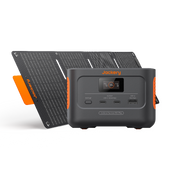
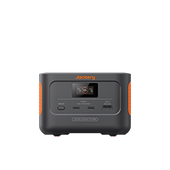
Jackery Explorer 100 Plus
The Jackery Explorer 100 Plus is the "tiny but mighty" sibling of the lineup. If the 300D is for your tent, the 100 Plus is for your pocket or day bag. In Europe, where strict travel regulations and long days of walking are the norm, this palm-sized power station is a lifesaver for three specific reasons.

The "Golden Ticket" for Air Travel
European airlines (like Ryanair, EasyJet, and Lufthansa) and airport security (EASA regulations) are very strict about battery sizes. 99.2Wh Capacity: Batteries over 100Wh usually require special airline approval or are banned from cabins. At 99.2Wh, the 100 Plus is specifically designed to be the largest possible battery you can legally take on a plane without asking anyone's permission.
TSA/EASA Compliant: You can breeze through security at Heathrow, Schiphol, or Charles de Gaulle knowing your power source is 100% compliant for carry-on luggage.
High-Speed PD Charging (128W Max)
Don't let the "mini" size fool you. This isn't a slow "power bank" you find at a grocery store checkout. Dual USB-C Ports: It supports 100W Dual-Way Fast Charging. This means it can charge a high-end laptop (like a MacBook Air) or a high-performance drone at professional speeds.
Recharge Speed: You can plug the 100 Plus into a wall outlet at a café while you grab a quick espresso, and it will go from 0% to 70% in about 45 minutes.
Built for the European Commuter
Whether you’re taking the TGV across France or navigating the London Underground, space is a premium. Palm-Sized Portability: It weighs only 965g. It fits in the side pocket of a backpack or even a large jacket pocket.
Durable Design: It’s built with a high-grade fire-resistant shell (UL 94V-0) and drop-resistant casing, making it tough enough to handle being tossed into a travel bin or dropped on a train platform.
What Should You Pay Attention to When Attending Festivals?
Going to a festival in Europe can be exciting, but a better experience usually comes down to the small things people forget before they arrive. Safety, comfort, transport planning, weather, and personal awareness all matter just as much as the event itself.
Check the official festival rules before you go
Every festival has different entry rules. Some restrict bag size, bottles, cameras, chairs, umbrellas, glass, or outside food and drink. Camping festivals may also have separate rules for campsites, cooking gear, and vehicles. Checking the official guidance in advance can save time, stress, and disappointment at the entrance.
Keep your ticket, ID, and phone secure
Your ticket, ID, and phone are the most important items to protect. Your phone may hold tickets, maps, hotel details, payment apps, and emergency contacts, so keep it in a secure zipped pocket or close-fitting bag. It is also a good idea to save screenshots or offline copies in case the signal is weak or your battery runs low.
Plan your journey there and back
Transport can be one of the most stressful parts of a festival. Trains may be crowded, roads busy, parking limited, and buses unreliable late at night. Check your route, shuttle options, parking, and return plan before you leave, especially if the event is in a rural area or unfamiliar city.
Arrive earlier than you think you need to
Festival queues are often longer than expected. Security checks, parking, wristband exchange, and finding your way all take time. Arriving early helps you settle in, avoid stress, and makes it less likely you will miss the part of the event you came for.
Watch your valuables in crowded areas
Pickpocketing can happen in queues, packed transport, and dense crowds. Bring only what you need, keep your valuables close, and avoid open bags or back pockets. A small zipped bag worn across the front is usually the safest choice.
FAQs
The following are frequently asked questions about the popular festivals in Europe.
1. What is the largest cultural festival in Europe?
The Edinburgh Festival Fringe is the strongest answer. Its official site describes it as one of the greatest celebrations of arts and culture in the world, and Scotland’s official tourism site calls it the largest arts festival in the world.
2. What is the European version of Coachella?
There is no single official European version of Coachella, but Sziget Festival in Budapest is one of the closest comparisons because it mixes big-name music with theatre, dance, circus and other cultural programming. Some travel and culture sources also explicitly compare Sziget to Coachella.
3. What is the biggest country festival in Europe?
C2C: Country to Country is widely described as the biggest dedicated country music festival in Europe.
4. What is the biggest free festival in Europe?
The Donauinselfest in Vienna is commonly presented as Europe’s biggest free outdoor festival or Europe’s largest free open-air music festival.
Final Thoughts
Europe’s festival scene is incredibly diverse, which is exactly what makes it so appealing. You can spend spring surrounded by flowers and books, move into a summer of music and street celebrations, enjoy food and cultural events in autumn, and then step into winter festivals filled with light, masks, and tradition.
The key to enjoying festival travel is simple preparation. Knowing what to pack, planning your journey well, staying aware of safety, and keeping your essentials charged can make the whole trip smoother and more enjoyable.

