
























The duck curve is a grid imbalance characterized by massive solar oversupply at midday followed by a steep, stressful rise in demand as the sun sets. This phenomenon creates a visual belly on net load charts, threatening grid reliability and inflating consumer bills across Europe.
While solar energy is vital for decarbonization, the timing of its generation rarely aligns with consumption. Solar panels produce maximum power between 11 AM and 2 PM, often exceeding demand and driving wholesale prices into negative territory. Conversely, as solar generation vanishes in the evening, electricity demand spikes due to lighting, cooking, and heating.
This rapid transition forces grid operators to ramp up expensive fossil fuel generators instantly. The result is a dual crisis: economic inefficiency during the day and high costs combined with blackout risks at night. Without adequate storage or flexibility, gigawatts of renewable energy are curtailed—wasted—while consumers pay a premium for evening stability. This guide explains the European context of the duck curve and outlines practical solutions for households and planners.
Understanding the Duck Curve Phenomenon
The European Context of the Duck Curve
Net Demand is the core metric used to identify this issue, calculated by taking total electricity demand and subtracting variable renewable generation (wind and solar). In a balanced grid, this line is relatively flat. However, as solar penetration increases, the midday net demand line sags deep (the duck's belly) and shoots up vertically at sunset (the duck's neck).
European grids face unique challenges compared to other regions. While the basic model applies globally, Europe’s high density of rooftop solar and complex cross-border interconnections create specific nuances. Residential impact is severe because European households typically peak in energy usage between 6 PM and 9 PM—exactly when solar production hits zero.
Cross-border effects complicate the picture. Interconnected markets mean that a surplus in Germany can depress prices in neighboring countries, while a deficit in France can spike costs across the region. The duck curve is no longer just a national issue; it is a continental balancing act.
How Solar Energy Shapes the Curve
The European curve differs significantly from the famous model observed in California (CAISO). California relies heavily on utility-scale solar farms, whereas Europe has a massive, decentralized fleet of residential rooftop installations. This creates a canyon shape in localized distribution grids, making voltage control difficult at the street level.
A major barrier to solving this is the demand for shift lag. Time-of-Use (TOU) tariffs, which incentivize using power at midday, are not yet universal or aggressive enough to change consumer behavior. Most households still run high-load appliances in the evening out of habit.
Storage adoption also lags behind solar deployment. Regulatory hurdles and complex economics have delayed the ubiquity of batteries. Consequently, consumers face volatile retail prices. They sell their excess solar power for pennies (or nothing) at noon, only to buy electricity back from the grid at peak rates a few hours later.

Factors Contributing to Evening Power Unreliability
Reduced Grid Inertia
Grid inertia drops as digital inverters replace spinning turbines. Traditional power plants use massive spinning mass to provide a physical force that resists changes in grid frequency. Solar panels use inverters, which lack mechanical inertia. As the grid shifts from spinning mass to digital inverters, maintaining frequency stability becomes harder, increasing the risk of sudden outages during the evening ramp.
Ramping Stress
Ramping stress occurs when conventional power plants must jump from near zero to full capacity in minutes. The neck of the duck curve represents a physical assault on the generation fleet. Gas and coal plants are forced to ramp up instantly as the sun sets, increasing thermal stress, breakdown rates, and maintenance requirements.
Forecasting Errors
Forecasting errors destabilize the grid when weather changes drop solar output by gigawatts instantly. Grid operators rely on weather models to balance supply, but a sudden cloud front can cause massive deviations. These shifts require immediate, expensive redispatching of reserve power to prevent instability.
Transmission Bottlenecks
Transmission bottlenecks prevent surplus southern solar power from reaching northern demand centers. Europe suffers from a geographical mismatch where generation is highest in rural or southern regions, while demand is concentrated in industrial hubs. These grid constraints exacerbate the evening deficit in cities.
Factors Contributing to Evening Power Expense
Price Volatility and Cannibalization
Cannibalization reduces the value of midday electricity to near zero due to simultaneous oversupply. Solar energy suffers from its own success; when millions of panels generate power at once, prices crash. Conversely, the scarcity of power during the evening peak drives prices to their daily maximum.
Curtailment Costs
Curtailment costs arise when grid operators must pay renewable generators to turn off. When supply exceeds demand and storage is unavailable, this energy is wasted. Consumers ultimately pay for this curtailment, covering the cost of energy that was capable of being produced but was never used.
Ancillary Services
Ancillary services like frequency control increase utility bills. Keeping the grid stable during the steep evening ramp requires fast-response reserves. The cost of procuring these services is rising, adding hidden costs to consumer utility bills.
Gas Dependency
Natural gas sets the marginal price for electricity during peak hours. Despite the growth of renewables, the evening ramp is largely fueled by gas Peaker plants. Because these plants are expensive to operate and subject to volatile fuel markets, they keep bills high even in green-energy economies.
Duck Curve Solutions: Mitigating the Impact
Strategic Solutions for the Duck Curve
Mitigating the duck curve requires a three-pillar approach: energy storage, demand flexibility, and grid modernization. No single technology can flatten the curve alone.
1. Energy Storage Systems (The Critical Bridge)
Utility-Scale Storage
GWh-scale battery parks stabilize the wider grid by absorbing excess solar at noon. These massive systems discharge energy during the evening ramp, smoothing out wholesale price volatility and reducing the need for gas peakers.
Home Energy Storage
Residential batteries enable homeowners to capture free midday solar energy. This self-consumption model allows users to power their homes during expensive evening hours, effectively insulating the household from grid instability.
Illustrative Example (Home Backup)
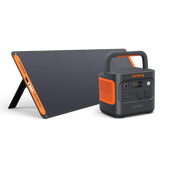
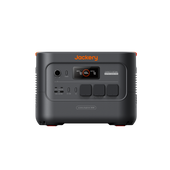
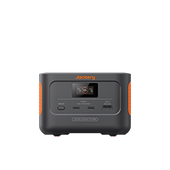
For households seeking resilience, the Jackery Explorer 3000 v2 Portable Power Station serves as a robust solution.
- Capacity: 3072Wh, sufficient to bridge the gap between sunset and bedtime.
- Chemistry: LiFePO4 battery ensures safety and longevity with 4000 charge cycles to 70%+ capacity.
- UPS Function: Features a <20ms switchover time, maintaining power reliability for sensitive electronics during grid instability.
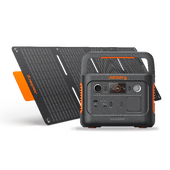
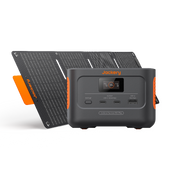
Smaller households can utilize the Jackery Explorer 2000 v2 Portable Power Station, which offers 2042Wh of capacity. Both units allow users to store energy when it is cheap (or free from portable solar panels) and discharge it when grid prices spike.
Long-Duration
Long-duration storage technologies like pumped hydro and green hydrogen are necessary for seasonal balancing. While batteries handle daily cycles, these systems store summer sun for winter demand.
2. Demand-Side Management & Electrification
Time-of-Use (TOU) Tariffs
Time-of-Use (TOU) tariffs incentivize shifting heavy loads to the midday low-rate window. Running washing machines and dishwashers when solar output is high reduces evening strain and lowers bills.
Smart EV Charging
Smart EV charging allows electric vehicles to act as batteries on wheels. These systems can soak up midday sun and potentially feed energy back to the home (V2H) or grid (V2G) during the evening peak.
Electrification
Heat pumps combined with thermal storage allow homes to turn surplus renewable electricity into hot water. This effectively stores energy in thermal form, replacing gas boilers and utilizing excess midday power.
3. Grid Modernization & Policy
Transmission Upgrades
Physical infrastructure must be upgraded to move power efficiently. Improving transmission lines from sunny regions to demand centers reduces localized congestion and balances the load.
Market Reforms
Energy markets need to reward flexibility. Compensation structures should prioritize fast-response resources that can manage ramps, rather than just paying for baseload generation capacity.
VPPs (Virtual Power Plants)
Virtual Power Plants (VPPs) aggregate thousands of small home batteries into a single network. This allows distributed assets to provide grid-level services, turning variable demand into a stabilizing asset.
4. Practical Consumer Actions
Schedule Usage
Running high-wattage appliances between 11 AM and 2 PM aligns consumption with peak solar generation. This simple behavioral change significantly reduces strain on the grid.
Invest in Resilience
Portable power stations act as insurance against rising blackout risks. Units like the Jackery Explorer 2000 v2 Portable Power Station allow you to decouple from the grid during high-stress hours, ensuring essential devices remain operational regardless of grid conditions.
Case Studies and Lessons Learned from Europe
Germany’s Canyon
Germany’s aggressive solar rollout created a steep canyon in net demand, necessitating rapid storage deployment. In Spring 2025, spot prices frequently dropped below zero due to system inflexibility. Large-scale battery projects have successfully reduced curtailment in local regions, proving that storage is the antidote to volatility.
France’s Nuclear/Hydro Mix
France relies heavily on nuclear and hydro but still faces ramp speed challenges. Even flexible nuclear fleets struggle with the sheer speed of modern solar ramps. This has forced France to import flexibility from neighbors and accelerate its own storage deployment to manage the evening transition.
The Future of European Electricity Demand
Future Projections for Electricity Demand
The evening ramp will become steeper as solar capacity doubles. Without intervention, the residual load shape will become more extreme, requiring faster and larger flexibility assets. Utilities are investing heavily in analytics and capture-price modeling to better predict these shifts.
Decentralized resilience will define the future grid. We will see a rise in solutions where homes become self-sufficient during evening peaks. Solar energy household battery backup systems will become standard appliance fixtures rather than luxury add-ons.
Portable storage plays a vital role in this transition. Devices like the Jackery Explorer 3000 v2 enable households to physically disconnect from the grid during high-stress hours, reducing aggregate demand while maintaining comfort. The future grid will be a hybrid ecosystem, combining centralized renewables with millions of distributed, flexible storage assets.
Conclusion
The duck curve is not just a technical graph; it is a warning sign of a grid in transition. The mismatch between solar generation and evening demand drives reliability risks and increases costs for everyone. However, the solutions are available today.
By combining utility-scale storage, smart consumer behavior, and policy reform, Europe can flatten the curve. For the individual, the path forward is clear: adopt TOU tariffs, shift usage to midday, and consider backup storage solutions like the Jackery Explorer 2000 v2. These steps not only lower bills but also contribute to a more stable, sustainable energy future.
Frequently Asked Questions
How do other renewable sources impact the duck curve?
Wind power typically generates more consistently throughout the day and night, often helping to flatten the curve. Hydropower acts as a battery, releasing water to generate power during the evening ramp to counteract the loss of solar.
How will you be affected if you do not have solar panels?
You are still affected by higher electricity rates during evening peak hours due to the cost of ramping gas plants. Additionally, grid instability caused by the duck curve increases the risk of brownouts for all grid-connected homes.
Are there government incentives for home battery storage in Europe?
Yes, many European countries offer VAT reductions, grants, or tax credits for installing home battery systems. For example, Germany and Italy have historically provided significant subsidies to encourage distributed storage adoption.
Can smart home devices help mitigate the duck curve's effects?
Absolutely. Smart thermostats and schedulers can automatically run heating or appliances during midday when energy is cheap. This demand-side management reduces the height of the evening peak and lowers your energy costs.
What's the long-term outlook for electricity prices due to the duck curve?
Prices will likely remain volatile in the short term, with cheap midday power and expensive evening power. However, as storage capacity increases and markets adapt, price spreads should stabilize, eventually lowering overall costs for flexible consumers.


