





























Europe faces a critical infrastructure challenge where 40% of distribution grids now exceed 40 years of age. This aging electrical grid threatens energy reliability, increasing the risk of short-term outages, and disrupting critical services like hospitals and communication networks.
The financial impact of outdated infrastructure hits households directly through higher bills. Grid congestion and reliance on expensive backup generation drive electricity prices up and increase volatility. Furthermore, these bottlenecks slow down the energy transition, as old infrastructure cannot support the rapid installation of EV chargers and heat pumps required for a net-zero future.
Public sentiment reflects growing anxiety regarding reliability, affordability, and the grid's capacity to handle new demands like AI data centers. This guide details the risks of Europe's grid, modernization options, and how you can build personal resilience.
The State of Europe's Aging Electrical Grid
Europe's grid infrastructure operates on outdated mid-20th-century designs despite serving a 21st-century digital world. Roughly 40% of distribution grids have exceeded their 40-year design life. These systems were engineered for centralized, one-way power flows—moving electricity from massive coal or nuclear plants down to the consumer—rather than today's decentralized needs.
Modern Stresses on Legacy Systems
Current energy demands place unprecedented stress on this legacy architecture:
- Two-way flows: Rooftop solar panels and electric vehicles push power backwards into the grid. Legacy transformers and cables were not built to handle this bi-directional traffic, leading to voltage instability.
- Load density: High-demand users, such as hyperscale data centers, create localized pressure points that exceed regional capacity.
- Intermittency: Old grids rely on steady, predictable generation and struggle to balance variable renewable energy sources without flexible capacity mechanisms.
The Financial Cost of Aging Infrastructure
Delaying modernization creates a massive financial gap between current investment levels and the billions of Euros needed to upgrade the network. The cost of inaction is already visible in rising operational expenses.
The High Price of Deferred Maintenance
Postponing upgrades increases long-term operating costs rather than saving money.
- Stranded Assets: Infrastructure that cannot adapt to renewables becomes obsolete before its value is realized.
- Emergency Premiums: Fixing broken components during a crisis costs significantly more than planned replacement.
- Congestion Costs: When the grid cannot transport cheap wind or solar power due to bottlenecks, operators must pay renewable generators to turn off while simultaneously paying expensive gas plants closer to demand centers to spin up. Consumers ultimately pay for both.
Root Causes of Grid Aging
Grid aging results from decades of systemic prioritization and regulatory hurdles that favor short-term savings over long-term health.
Regulatory Bottlenecks and Underinvestment
Utilities and regulators historically prioritized low maintenance costs to keep consumer bills low. This strategy worked until the energy transition accelerated. Now, regulatory bottlenecks stall replacement projects. Permitting delays for new transmission lines can last years, increasing costs and ensuring technology is often obsolete by the time it is finally installed.
Infrastructure Pacing Mismatch
Electrification and distributed generation evolve faster than traditional utility planning cycles. While a household can install solar panels in weeks, upgrading the local substation to handle that power takes years.
Impact of Aging Energy Infrastructure on Consumers and Economy
The consequences of an outdated grid are already visible in daily life and industrial output, affecting everything from home appliances to factory production lines.
Key Consumer Risks
Households face three primary risks from grid degradation:
- Increased Outages: Local outages and voltage fluctuations are becoming more frequent as equipment fails.
- Price Spikes: Consumers are exposed to extreme price volatility during periods when renewable generation is low and the grid cannot import power efficiently.
- Connection Delays: Homeowners face long wait times for connecting new energy systems like solar arrays or heat pumps.
Industrial Competitiveness Risks
Manufacturing hubs lose competitiveness when energy supply becomes unreliable. For example, Germany's industrial sector faces pressure following the nuclear phase-out, as the grid struggles to transport wind power from the north to factories in the south. Similarly, Eurelectric reports indicate that data centers in Ireland place immense stress on the local grid, serving as a cautionary tale for other tech hubs.
Rising Concerns Over Power Grid Outages
The risk of a major power grid outage in Europe is increasing due to physical degradation and systemic changes in how energy is generated.
Grid Stability and Inertia Loss
Aging transformers are increasingly prone to failure, particularly under extreme weather conditions like heatwaves or storms. Simultaneously, the grid is losing inertia. Traditional heavy rotating generators provided physical momentum that stabilized the grid frequency. As these retire in favor of digital inverters (solar/wind), the risk of system collapse during disturbances rises.
Mitigation Strategies
Operators must accelerate component replacement and deploy real-time monitoring to prevent blackouts. Targeted storage deployment is essential to act as a buffer during instability.
Modernizing the Grid: Solutions and Strategies
Modernization requires a holistic approach combining asset renewal, digitalization, and market reforms rather than a single silver bullet.
Transitioning to Grid-Forming Inverters
Operators are replacing synchronous capacity with grid-forming inverters and hybrid storage solutions that mimic the stability of heavy turbines. Investment is shifting from old gas Peaker plants to Battery Energy Storage Systems (BESS), which provide faster, cleaner flexibility.
Dynamic Line Ratings and Telemetry
Utilities are utilizing dynamic line ratings and advanced telemetry to optimize existing assets. These technologies allow operators to push more power through existing lines safely, squeezing extra capacity from the current infrastructure without digging new trenches.

The European Grids Package and Action Plan
The EU is actively addressing these challenges through policy frameworks designed to accelerate infrastructure updates.
Policy Goals and Consumer Benefits
The Action Plan aims to speed up permitting processes and incentivize cross-border interconnections. For consumers, this means faster connection times for renewables and clearer price signals for long-term investments. You can review specific EU energy strategies at the European Commission Energy site to understand upcoming regulatory changes.
The Role of Decentralized Energy and Storage
Decentralized solutions provide immediate resilience while centralized fixes take time to implement. Local generation and storage reduce transmission losses and keep lights on during grid failures.
Storage Hierarchy
- Short-duration: Batteries handle frequency response and peak shaving (seconds to hours).
- Long-duration: Hydrogen or pumped hydro manage seasonal balancing (days to weeks).
Portable Power Stations for Backup
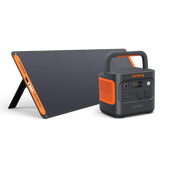
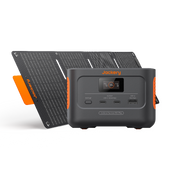
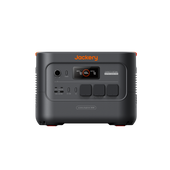
Homeowners can bridge supply gaps with reliable power backup solutions for grid outages like portable batteries. The Jackery Explorer 1000 v2 Portable Power Station offers compact backup for essential devices.
- Capacity: 1070Wh
- Battery Type: LiFePO4 (Safe and durable)
- Lifespan: 4000 cycles to 70% capacity
- Use Case: Perfect for keeping routers, lights, and laptops running during short-term blackouts.
The Explorer 1000 v2's longevity makes it a smart investment against long-term grid uncertainty.
Innovative Technologies and Startups
Technology is transforming consumers from passive users into active grid participants through smart management systems.
Virtual Power Plants (VPPs) and V2G
VPPs aggregate thousands of home batteries and EVs to provide grid-scale services, effectively creating a massive, decentralized power plant. Vehicle-to-Grid (V2G) technology takes this further, turning EV fleets into mobile flexible capacity resources that stabilize the grid while parked.
Smart Orchestration
AI software now optimizes behind-the-meter assets. It decides when to store solar energy, when to sell it back to the grid, and when to charge your EV to lower overall system costs.
Addressing Investment Gaps and Funding Challenges
Modernizing the aging electrical grid requires massive capital, and public budgets must de-risk projects to unlock private investment.
Capital Needs and Supply Chain
Targeted funds are needed to repurpose gas infrastructure and prevent financial losses from stranded assets. Simultaneously, Europe must address shortages in skilled labor and critical materials like copper and steel through better training and procurement planning.
Practical Steps for Households and Small Businesses
You cannot control the pace of infrastructure upgrades, but you can control your readiness for potential disruptions.
Emergency Preparation Steps
Start by creating emergency kits and identifying critical loads like medical devices or communication equipment. For medium-term resilience, invest in energy efficiency to lower your demand profile.
High-Capacity Backup Solutions
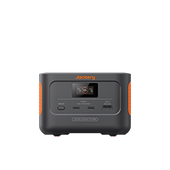
For extended outages, learning how to build your home power backup system is crucial. The Jackery Explorer 2000 v2 Portable Power Station provides energy independence during instability.
- Capacity: 2042Wh
- Performance: Runs high-wattage appliances like full-sized household refrigerators (15-520W) for 3.2 to 72 hours.
- Emergency Super Charge: Charges from 0-100% in just 1.33 hours via AC wall outlet.
- Use Case: Ideal for extended outages where preserving food and powering heavy appliances is critical.
The rapid charging feature allows you to prep the Jackery Explorer 2000 v2 quickly when storm warnings are issued.
Community Action
Participate in local demand-response programs. Reducing strain on the neighborhood grid during peak hours helps prevent local failures and often lowers your bill.
Conclusion: A Resilient Future for Europe's Energy
Europe's aging electrical grid presents a significant challenge, but the path forward is clear. Modernization requires a mix of technical fixes, policy acceleration, and financial innovation. While systemic reform takes time, decentralized storage and individual preparedness are immediate ways to mitigate outage risks. By understanding the vulnerabilities and investing in personal resilience, you can navigate the transition securely.
Frequently Asked Questions
How will grid modernization affect my electricity bill long-term?
Initial investments may cause short-term increases, but long-term modernization leads to price stability and reduced reliance on expensive emergency generations.
Can smart home devices help stabilize the grid?
Yes, smart thermostats and appliances can participate in demand-response programs, automatically reducing consumption during peak load times to prevent blackouts.
What are the biggest political hurdles to grid upgrades?
Cross-border cooperation remains difficult, along with funding disputes and local NIMBYism (Not In My Backyard) opposition to new transmission lines.
Are there specific regions in Europe more vulnerable to grid failures?
Areas with high industrial loads, remote rural communities, and regions exposed to extreme weather events face heightened risks of instability.
Beyond batteries, what other home resilience options exist?
Microgrids, highly energy-efficient appliances, and community-level energy sharing initiatives provide additional layers of security beyond individual battery storage.


