

























Europe’s energy landscape is rewriting the rules of physics. The transition from a centralized fossil-fuel model to a decentralized renewable network is the most significant infrastructure shift in a century. This transformation promises a decarbonized future, but it currently exposes the electrical grid to unprecedented stress.
The modern grid faces a paradox: clean energy is being added faster than the infrastructure can adapt. Fears of voltage excursions and cascading outages, such as the potential for a 2025 Iberian blackout, are not merely alarmist theories—they reflect genuine engineering challenges.
Grid fragility is rising because traditional power plants provide heavy spinning mass (inertia) that stabilizes frequency. Renewable fleets use inverters that lack physical inertia, making frequency control more volatile. Simultaneously, connection bottlenecks are stalling economic growth. New high-demand loads, including data centers and EV charging hubs, face years-long delays for grid access.
Understanding these mechanics is the first step toward energy security. This guide explains the shifting grid architecture and offers practical measures to ensure your power reliability.
The Shifting Landscape: Centralized vs. Distributed Power
The legacy design of the European electrical grid operated on a simple, one-way power flow model. Massive coal and nuclear plants generated electricity, which traveled predictable transmission corridors to passive consumers. That model is now obsolete.
Integration stress defines the modern network. Power flows are bi-directional and erratic. Cross-border flows between European nations now stress infrastructure originally designed for local stability.
Layers of the Electrical Grid
Failures typically occur at specific intersections within the network layers. To understand these points of failure, you must visualize the hierarchy:
- Transmission Layer (The Macro Grid): These are the high-voltage interstates of electricity, transporting power over long distances.
- Distribution Layer (The Local Grid): These are the lower-voltage city streets that deliver power to your meter.
Constraint points typically appear at the substations connecting these layers. When local solar generation spikes at noon, it pushes power back up into the transmission layer, creating congestion at these nodes.
Drivers of change include aggressive decarbonization targets and the rapid deployment of wind and solar. However, the most disruptive force is the rise of Distributed Energy Resources (DERs). Rooftop solar panels, home batteries, and electric vehicles have turned millions of Europeans into active grid participants.
Germany’s Energiewende serves as a real-world example. The rapid influx of renewables created severe operational strains, forcing grid operators to curtail (waste) clean energy to prevent system overloads. This has necessitated a massive strategic pivot toward digital management and storage.
Challenges to Power Reliability
Reliability of the electrical grid depends on keeping supply and demand perfectly balanced every second. Several factors now complicate this balancing act.
Intermittency and Inertia
In Alternating Current (AC) systems, frequency drops immediately when demand exceeds supply. If it drops too low, safety relays trip, causing blackouts. While historically rare, questions regarding are power outages common in Europe? are rising as the risk increases due to inertia loss. Inverter-dominated resources (solar/wind) do not provide the mechanical resistance to frequency changes that heavy steam turbines did, making frequency swings faster and harder to catch.
Forecasting and Flow
Weather-driven generation creates forecasting limits. A sudden cloud cover can drop solar output by gigawatts in minutes, requiring short-term dispatch of backup power to bridge the gap. Furthermore, bi-directional flows complicate protection systems. Relays designed to detect faults in one direction may fail or trip unnecessarily when power flows backward from residential solar arrays.
New Load and Security
New load stress is localized and intense. An EV charging spike in a residential neighborhood or a new data center can overload local transformers. Additionally, security threats have evolved. Cyber vulnerabilities in digital grid controls and physical threats from extreme weather (storms, heatwaves) require layered defenses.

Solutions for a Resilient Grid Infrastructure
Modernizing the electrical grid requires a fusion of hardware and software solutions.
Smart Grid Technology
A Smart Grid utilizes two-way communications, telemetry, and automation to monitor the network edge. It allows operators to see what is happening in real-time. Smart meters and Advanced Metering Infrastructure (AMI) are the eyes of this system, enabling demand response programs where consumers are paid to reduce usage during peaks.
AI and Grid-Enhancing Technologies (GETs)
Artificial Intelligence is now essential for advanced forecasting and anomaly detection. AI predicts equipment failures before they occur through predictive maintenance. Simultaneously, Grid-enhancing technologies (GETs) like grid-forming inverters are being deployed. These advanced inverters use software to synthesize inertia, stabilizing the grid without spinning metal.
Virtual Power Plants (VPPs)
Virtual Power Plants (VPPs) aggregate thousands of small DERs (home batteries, EVs) to act as a single, dispatchable power plant. Instead of firing up a gas peaker plant, the grid signals thousands of home batteries to discharge simultaneously.
The Role of Energy Storage
Storage is the bridge between intermittent supply and constant demand. However, large-scale storage takes time to build.
Consumer-Level Resilience
While utilities upgrade the macro grid, individuals must secure their local reliability. Portable energy storage bridges the gap during localized outages and frequency excursions. Reliable power backup solutions for grid outages act as a personal firewall against instability.
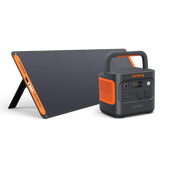
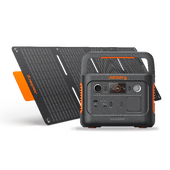
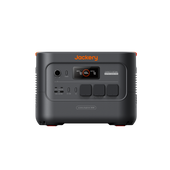
Jackery Explorer 1000 v2 Portable Power Station
- Capacity: 1070Wh
- Output: 1500W (Surge 3000W)
- Best For: Essentials. The Jackery Explorer 1000 v2 keeps refrigerators running, lights on, and Wi-Fi routers powered during medium-duration blackouts.
- Portability: Compact design (10.8 kg) makes it ideal for apartment dwellers or mobility.
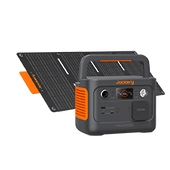
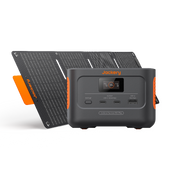
Jackery Explorer 2000 v2 Portable Power Station
- Capacity: 2042Wh
- Output: 2200W (Surge 4400W)
- Best For: Extended runtime. This unit powers high-wattage appliances like microwaves, coffee makers, and heavy-duty tools during prolonged grid failures.
Note: Both Jackery Explorer models utilize LiFePO4 battery chemistry. This technology offers superior safety and a long lifespan of 4,000 charge cycles. Learning how to build your home power backup system often starts with selecting the right capacity for your critical loads.
The European Context: Regional Dynamics and Outlook
EU Policy has set high-level targets for electrical grid upgrades and digitalization, but implementation varies by region. Investment needs are massive, requiring a mix of public funding and private finance risk-sharing.
The Northern Power Grid
The Northern power grid relies heavily on interconnectors. These subsea cables allow the wind-heavy North Sea region to trade power with the hydro-rich Nordics and the solar-rich south. This balancing act is critical: when the wind doesn't blow in Germany, Norwegian hydro fills the gap.
Types of Electrical Grids
Understanding the hierarchy helps in planning resilience:
- Macro grid: The transmission layer responsible for cross-country transport.
- Distribution grid: The local network delivers power to your door.
- Microgrids: Self-sufficient systems capable of islanding (disconnecting) from the main grid during upstream failures to keep critical facilities running.
- Community grids: Emerging models where neighbors share solar generation peer-to-peer, bypassing the wider network constraints.
Practical Guidance: Actionable Steps for Resilience
Waiting for infrastructure upgrades is not a strategy. Different stakeholders can act now to ensure continuity.
Households
1. Prioritize Efficiency: Reduce your baseload to minimize exposure to volatile energy prices.
2. Assess Backup Needs: Determine if you need mobility (Jackery Explorer 1000 v2 Portable Power Station) or maximum capacity (Jackery Explorer 2000 v2 Portable Power Station).
3. Check Charge Speed: Storms move fast, requiring rapid recharge capabilities. The Jackery Explorer 1000 v2 Portable Power Station features Emergency Super Charging to reach 0-100% in 1 hour, while the larger Explorer 2000 v2 achieves a full charge in 1.33 hours. Planning a solar power installation for disaster preparedness is the next step for long-term autonomy.
Communities
- Pilot Microgrids: Install island-capable systems for critical facilities like clinics and water pumps.
- Prefabricated Upgrades: Use prefabricated substation designs to accelerate infrastructure modernization, bypassing long construction delays.
Businesses
- Staged Resilience: Plan for on-site generation (solar) combined with contractual standby power.
- Early Engagement: Engage with distribution system operators (DSOs) immediately navigate connection backlogs.
System Planners
- Hybrid Approaches: Retain some centralized capacity for inertia while aggressively expanding DER integration.
- Incentivize Flexibility: Create regulatory frameworks that reward consumers for flexible usage and fast response.
Conclusion: Powering a Sustainable Future
The transformation of the electrical grid brings immense environmental benefits, but it demands that we solve complex reliability challenges. A layered approach—combining hybrid macro grids, smart controls, VPPs, and energy storage—is the only path forward.
While system planners upgrade the wires, your individual role is to ensure personal readiness. Personal resilience complements system upgrades. Tools like the Jackery Explorer 1000 v2 Portable Power Station and Explorer 2000 v2 Portable Power Station empower you to weather the transition without interruption, ensuring that when the grid blinks, your life doesn't pause.
Frequently Asked Questions
How do grid-forming inverters differ from traditional inverters?
Traditional grid-following inverters synchronize to the existing grid frequency. Grid-forming inverters actively create the voltage and frequency reference, providing stability and synthetic inertia to the grid, which is crucial as mechanical turbines are retired.
What specific EU policies support microgrid development?
The EU's Clean Energy for All Europeans package and the revised Electricity Directive (2019/944) legally define Citizen Energy Communities. These directives require member states to provide enabling regulatory frameworks that allow locals to own, establish, and operate community microgrids.
Can my existing solar panels integrate with a VPP?
Yes, but it requires specific hardware. Your inverter must be smart and compatible with the VPP operator software, and you typically need a battery storage system to provide the dispatchable capacity the VPP requires.
What are the long-term cost implications of smart grid technologies?
While the initial investment in AMI and automation is high, smart grids reduce long-term costs by optimizing asset use and reducing the need for building expensive new power plants (Peaker plants). They also lower operational costs through predictive maintenance and reduced outage durations.
How does grid modernization affect electricity pricing for consumers?
Modernization often leads to Time-of-Use (TOU) tariffs. Electricity becomes cheaper when renewables are abundant (sunny/windy days) and more expensive during peak demand, rewarding consumers who can shift their usage or use battery storage.


