






















Europe’s aggressive decarbonization efforts the Green Deal are hitting a physical wall. Solar and wind deployment is breaking records across the continent, yet the infrastructure required to move this energy is lagging behind. The grid, built decades ago primarily for fossil fuels, cannot keep up with the rapid influx of renewable energy and the electrification of heating and transport.
This disconnect has created a "silent crisis" known as Grid Congestion. Grid congestion delays the energy transition and causes connection refusals for new homes and businesses in countries like the Netherlands and the UK. While policymakers rush to upgrade infrastructure, the immediate reality involves instability and capacity limits. A combination of grid modernization and personal energy independence through storage is the only viable path forward.
Understanding Grid Congestion: The Electricity Traffic Jam
What Is Grid Congestion?
Grid Congestion is the physical limit of transmission lines to transport electricity from generation sites to demand centers. The cables simply cannot handle the volume of electricity being pushed through them at specific times.
Transmission lines function like a European highway during peak holiday season. When cars (electrons) exceed the available lanes (cables), traffic stands still. In the energy sector, this means electricity generated by North Sea wind farms cannot reach the industrial Ruhr valley or major metropolitan areas because the transmission lines are full.
This phenomenon affects the entire network. Congestion impacts High Voltage lines, such as cross-border interconnectors that move power between countries. It also strains Low Voltage distribution networks in residential areas, where local transformers are overwhelmed by new demands.
Why Is the European Grid Bottlenecked?
- The Electrification Wave: Rapid electrification drives grid stress, particularly following the 2022 energy crisis. Households are replacing gas boilers with heat pumps and swapping combustion engines for Electric Vehicles (EVs). This imposes a massive new load on local grids designed for much lower consumption levels.
- Geography Mismatch: A fundamental disconnect exists between where energy is produced and where it is consumed.
- North vs. South: Wind power generated in the North Sea and solar energy from Spain must move to Central Europe's industrial hubs.
- Rural vs. Urban: Renewable generation often occurs in remote, sparsely populated areas, while consumption is concentrated in dense cities.
- The "Duck Curve": Solar energy production peaks in summer afternoons. Unfortunately, this often coincides with low demand, as many people are at work. This surge of power overloads local transformers, forcing inverters to shut down to protect the network.
- Permitting Delays: Infrastructure upgrades are notoriously slow. Building new high-voltage pylons in Europe takes 7–10 years. Strict environmental regulations and local opposition (NIMBYism) frequently stall projects, leaving the power grid unable to expand at the necessary pace.
How Does Congestion Affect Residents and Industry?
- Redispatch Costs Transmission System Operators (TSOs) in countries like Germany and the UK spend billions annually on "redispatch." This process involves paying wind farms to stop producing energy because the grid cannot transport it. These costs are ultimately passed on to consumer energy bills.
- Connection Moratoriums Capacity shortages have real-world consequences for development. In regions like the Schiphol area and Brabant in the Netherlands, or parts of West London, new businesses are being refused grid connections. Housing projects face delays because the local grid cannot support new connections.
- Negative Prices and Instability There are increasingly frequent periods where energy prices drop below zero. While this sounds beneficial, it impacts the Return on Investment (ROI) for solar owners who do not have batteries. Furthermore, as residents ask are power outages common in Europe, the risk of local voltage instability due to congestion is becoming a tangible concern.
Strategies for Individuals and Businesses to Prepare
Can Battery Storage Prevent Grid Instability?
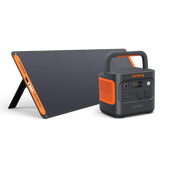
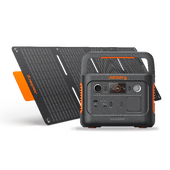
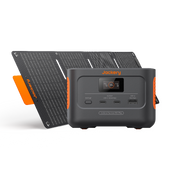
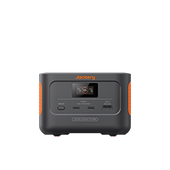
Battery storage systems like the Jackery Solar Generator 2000 v2 act as essential buffers against grid instability. In Europe, batteries have evolved beyond simple backup solutions into tools for "Self-Consumption Optimization" (Eigenverbrauch). Storing energy allows households to avoid high grid fees and utilize their own solar power when the sun isn't shining.
Households seeking solar energy household battery backup find that storage provides critical home resilience. As grid stress increases, the risk of voltage instability or rolling brownouts grows. Having a decentralized power source ensures continuity for essential appliances and home offices.
|
Feature |
||
|
Capacity |
2042Wh |
3072Wh |
|
Power Output |
2200W (4400W Surge) |
3600W (7200W Surge) |
|
Battery Chemistry |
LiFePO4 (4000 Cycles) |
LiFePO4 (4000 Cycles) |
|
Noise Level |
Whisper-quiet (≤ 30dB) |
Ultra-Quiet (As low as 27dB) |
|
Protection |
UPS function (<20ms switchover) |
UPS function (≤0.02s switchover) |
|
Primary Use Case |
European apartments or home offices; covers essential outages. |
Larger homes or businesses; runs heat pumps or heavy tools. |
Jackery Solar Generators align with the European "Right to Repair" and durability mindset. The LiFePO4 chemistry ensures a 10-year lifespan with 4,000+ cycles, making these units a sustainable investment for daily energy management.
How Do Smart Tariffs and Load Shifting Work?
- Time-of-Use Tariffs: Smart meters enable access to dynamic pricing. Consumers can charge batteries, such as the Jackery Solar Generator, when prices are negative or low. They can then discharge this stored power when grid prices peak, significantly reducing their monthly bills.
- Balkonkraftwerk (Balcony Solar): The trend of plug-and-play solar is booming, particularly in Germany. Pairing a balcony solar setup with portable storage allows renters to capture excess energy. Without storage, this energy would otherwise be given to the grid for free.
- Load Shifting: Changing consumption habits helps alleviate grid stress. Running washing machines or charging EVs during peak solar hours (11:00 – 15:00) utilizes green energy directly. This avoids adding to the evening peak demand (18:00 – 21:00) when the grid is most vulnerable.
What Role Do Local Generation and Microgrids Play?
Community Energy (Energy Citizens) EU legislation now empowers neighbors to share energy. Energy Communities can invest in shared storage assets. This allows neighborhoods to bypass local grid bottlenecks by consuming the energy generated within their own community.
Commercial Independence Businesses are increasingly installing power backup solutions for grid outages that combine solar plus storage. This ensures companies can continue operations even if the grid operator limits their peak draw capacity. It provides a safeguard against grid outages that could halt production.

Grid-Enhancing Technologies (GETs) and Modernization
What Technologies Improve Grid Capacity?
- Dynamic Line Rating (DLR) Operators are finding ways to push more power through existing infrastructure. Technologies like Dynamic Line Rating, widely used in Belgium and France, monitor weather conditions in real-time. On cold or windy days, cables are naturally cooled, allowing operators to safely transmit more electricity than the static limit suggests.
- Digitalization Smart substations are replacing analog infrastructure. These digital systems communicate real-time data to TSOs, allowing for automated balancing of voltage and frequency. This visibility is crucial for managing the intermittent nature of renewable energy.
How Is the EU Upgrading Infrastructure?
- Cross-Border Interconnections The EU is prioritizing the strengthening of links between countries. Projects like the interconnectors between France and Spain, or the UK and Norway, allow for load balancing across the continent. When the wind blows in the North, the excess power can support the South, and vice versa.
- Anticipatory Investments Regulatory frameworks are shifting. Laws are changing to allow grid operators to build infrastructure before the demand fully arrives. This proactive approach aims to prevent the bottlenecks that currently stifle growth.
Policy and Market Levers
Are There Government Incentives for Battery Storage?
- VAT Exemptions Governments are lowering the financial barrier to entry for energy independence. Countries like Germany, the UK, and Ireland have introduced 0% VAT on storage and solar equipment. This significantly reduces the upfront cost for homeowners investing in resilience.
- Faster Permitting The EU is pushing to declare grid projects as matters of "overriding public interest." This designation is designed to cut through red tape and shorten the 7–10 year timeline currently required to build new pylons.
How Do Flexibility Markets Work?
- Flexibility Markets Consumers are becoming active participants in grid stability. Through aggregators, households can be paid to turn down devices or discharge batteries during congestion events. This "demand response" helps balance the grid without needing fossil fuel peaker plants.
- Transparency Developers and businesses need data to plan. Tools like Hosting Capacity Maps, available in the UK and France, help identify where the grid has space. This transparency prevents projects from stalling due to unexpected connection refusals.
Real-World European Examples
The Netherlands: Stikstof and Grid Jams
The Netherlands faces a unique dual crisis. The "Stikstof" (Nitrogen) crisis combined with severe grid congestion has caused construction halts across the country. In response, there has been a boom in off-grid battery solutions for construction sites, allowing development to continue despite the lack of grid connections.
Germany: Redispatch 2.0
Germany is implementing the "Redispatch 2.0" framework. This system attempts to manage millions of small rooftop solar installations and storage units. The goal is to integrate these decentralized assets into the national grid management strategy to reduce the costs of curtailment.
Practical Next Steps
The grid of the future is decentralized. While Europe upgrades its cables, individuals must upgrade their independence.
Checklist for European Homeowners
- Analyze Bill: Switch to a dynamic tariff provider if available in your region.
- Secure Backup: Invest in a Jackery Solar Generator 2000 v2 to bridge gaps and store cheap renewable energy. You can learn how to build your home power backup system to ensure seamless integration.
- Monitor: Use apps to see current grid carbon intensity and congestion status.
Checklist for Businesses
- Capacity Check: Before purchasing EV fleets, verify if your local transformer can handle the increased load.
- Peak Shaving: Use battery storage to lower peak demand charges on your bill.
Frequently Asked Questions
How do I know if my area is affected by grid congestion?
You can check your local DNO (Distribution Network Operator) website or "Capacity Map." In the Netherlands and the UK, these maps are publicly available and indicate constrained areas.
Why is my solar inverter shutting off on sunny days?
Inverter shut-offs are likely due to high local voltage caused by congestion when too much energy is exported simultaneously. A battery can absorb this excess energy instead of the grid cutting you off.
Are there subsidies for batteries in Europe?
Yes, schemes vary by country, such as Italy’s Superbonus, Germany’s KfW programs, or VAT reductions in the UK. Check local government websites for current offers.


