

















Parking in Ireland can seem straightforward at first, but it often becomes confusing once you start dealing with different local rules, street signs, payment systems, time limits, and parking restrictions.
What looks like a simple parking space can come with conditions that are easy to miss if you are unfamiliar with the area. That is why it helps to understand how parking works before you set off. In this guide, we will look at the main parking laws and regulations in Ireland, explain the common types of parking you are likely to find, and share practical tips to make parking easier and less stressful.
We will also touch on how a Jackery Portable Power Station can be useful on Irish road trips, especially when you want a reliable source of portable power while travelling.
|
Key Takeaways: |
|
Parking in Ireland: Parking Laws
Parking in Ireland is not governed by one simple nationwide rule that applies in exactly the same way everywhere. The core road rules are national, but parking enforcement, payment systems, clamping practice, and some local restrictions are handled by local authorities or authorised operators. That means drivers should always read the sign beside the bay or road marking, not just rely on habit from another town or city
Where Can You Usually Park in Ireland?
In general, you can park where parking is clearly permitted, the bay is properly marked, and there is no sign, line, or restriction telling you otherwise. In towns and cities, that often means marked on-street bays, pay-and-display spaces, disc parking areas, public car parks, and private car parks that are open for customer or public use.
In controlled areas, you may need to display a ticket, parking disc, permit, or app-based payment confirmation, depending on the local system. A legal parking space may still have a time cap, a residents-only restriction, loading-hour rules, or payment periods that apply only on certain days.
Where You Must NOT Park
You must not park anywhere a traffic sign or road marking prohibits it. In practical terms, the RSA specifically warns drivers not to park on footpaths or cycle tracks, not to block entrances, exits, driveways, or junctions, not to park at bus stops or in disabled bays without entitlement, and not to park within 15 metres before or 5 metres after a pedestrian crossing or traffic light. Double yellow lines also mean you must not park there.
That also means parking in a way that causes obstruction can get you into trouble even if there is no obvious meter beside you. For example, a vehicle that blocks sight lines, narrows access for emergency vehicles, interferes with pedestrians, or leaves too little space near a junction may still be treated as illegally or dangerously parked.
Parking Signs and Road Markings in Ireland
Road markings are central to parking control in Ireland.
- A single yellow line means parking is restricted at certain times, and there is usually an upright sign nearby explaining when the restriction applies.
- A double yellow line means parking is prohibited at all times. The sign matters with single yellow lines; the line itself is not the full instruction.
You may also see marked disabled parking bays, pay-and-display signs, clearway signs, loading bay signs, or area-specific parking notices. In many locations, the upright sign has the legal detail, while the bay or line shows the type of restriction visually. That is why drivers should not assume that an empty kerbside stretch is unrestricted simply because it is not physically blocked off.

Parking Spaces for People with Disabilities
Disabled parking spaces in Ireland are reserved for people who hold the appropriate disabled parking permit or card. Citizens Information states that the European Parking Card scheme applies in Ireland and that designated disabled parking bays are reserved for eligible drivers and passengers. These spaces are off limits to everyone else, even for a very short stop.
If you illegally park in a disabled parking space, the fine is €150, and it increases to €225 if it is not paid within 28 days. In addition to the fine, the vehicle may also be subject to enforcement action depending on the location and local rules.
Penalties, Fines, and Clamping
Parking penalties in Ireland can include a parking fine, clamping, towing or relocation in some circumstances, and added release charges if the vehicle is immobilised.
Citizens Information notes that a system of parking fees, restrictions, fines, and vehicle clamping operates throughout Irish towns and cities, and that non-statutory clamping areas such as private car parks can charge up to €125 where a vehicle has been clamped.
Not every parking offence leads to the same penalty. The exact amount can depend on the offence, the local authority, whether the vehicle is on a public road or private site, and whether the penalty is paid on time.
Which Time Is Parking Free? Can I Park a Car in Ireland for Free?
Yes, you can park for free in Ireland in some situations, but there is no single national rule that says parking is always free at a certain time. Free parking depends on the location, the local authority, the type of parking bay, and the sign beside the space. In other words, parking in Ireland can be FREE, but only when the specific sign or local scheme says so.
In many Irish towns and cities, on-street parking is controlled during stated hours only. Dublin City Council explains that the hours when payment is required are shown on the street signs, with an example such as “07:00 to 19:00, Monday to Saturday.” Dublin also notes that some areas require payment after 19:00 and on Saturdays or Sundays, so drivers should not assume evenings or Sundays are automatically free.
Parking is free only outside the paid hours shown on the sign, or in spaces that are specifically designated as free parking. If the sign says payment is required from 08:00 to 18:30, then parking may be free before 08:00 and after 18:30, provided there is no other restriction.
Some Irish cities also offer limited free parking in certain short-stay spaces. For example, Cork City Council states that some set-down spaces allow free parking for 15 minutes in specific locations. These are useful for quick stops, but they are not the same as general free parking for longer stays.

Can I Park a Motorhome Anywhere in Ireland? Can I Park Somewhere Overnight?
You can NOT park a motorhome or campervan just anywhere in Ireland. These vehicles must follow the same general parking rules as other road vehicles, but they also face extra limits in some places because of their size and because they are sometimes used for overnight stays.
A place that looks convenient for a short stop is not always suitable for parking for several hours, and it may not be legal for overnight use at all. On public roads and in public parking areas, illegal parking can lead to fines, clamping, or other enforcement action.
Overnight parking is where people usually get caught out. In Ireland, staying overnight in a motorhome is not something you should assume is allowed unless the location clearly permits it. Some councils and car park operators place specific restrictions on campervans, caravans, mobile homes, or vehicles used for accommodation.
In Galway, for example, the city parking bye-laws state that a camper van, caravan, motorhome, or any vehicle being used for accommodation must not be parked overnight in a public car park within the city’s administrative area.
Where Can I Park a Motorhome or Campervan in Ireland?
The safest places for overnight parking are registered caravan and camping parks, motorhome-friendly campsites, and private land where you have permission to stay. These places are meant for this kind of travel and are generally much easier to use than an ordinary public car park.
Many of them provide practical facilities such as electricity, water, toilets, showers, waste disposal, and service points for motorhomes, which makes them much better suited to an overnight stop.
Private land can also be an option, but only when you have the owner’s clear permission. That is very different from pulling into a quiet area and assuming nobody will mind. In Ireland, private car parks and privately controlled land can have their own terms and restrictions, and those terms may prohibit overnight stays or sleeping in vehicles.
Public car parks, beachfront parking areas, scenic viewpoints, and town-centre spaces need more caution. Even if a place seems quiet at night, it may still ban overnight parking, larger vehicles, or the use of a vehicle as temporary accommodation.
A Jackery Portable Power Station can fit naturally into that setup as a convenient power source for motorhome travel. It can help keep phones, lights, cameras, and small travel essentials charged when you are parked up, especially if you are between hook-up points or staying somewhere with limited access to power.
How to Find Parking in Irish Cities: Tips for Drivers
Finding parking in Irish cities is usually easier when you stop treating it as a last-minute task. In busy areas, the best approach is to decide in advance whether you want on-street parking, a public car park, or a short-stay space close to shops or attractions.
City centres in Ireland often combine pay-and-display bays, permit areas, loading zones, disabled spaces, and private car parks within the same few streets, so the easiest way to avoid stress is to check the parking type before you arrive.
One of the most useful habits is to read the sign before you even switch off the engine. In many Irish cities, the bay itself only tells part of the story. The nearby sign tells you whether payment is required, what hours apply, how long you can stay, and whether the space is reserved for permit holders, loading, or accessible parking.

Tips for Finding Parking in Dublin
Dublin is the city where planning ahead matters most. Parking is available in pay-and-display spaces, permit areas, and various public and private car parks, but central areas can fill up quickly and restrictions are closely managed. Dublin City Council advises drivers to use marked parking spaces and follow the stated payment and permit rules, while its parking pages also explain that payment hours are shown on the signs beside the bay.
If you are heading into central Dublin, it is often easier to choose a car park first and then walk to your destination, especially if you are unfamiliar with the street layout.
Tips for Finding Parking in Cork
Cork is often a little easier than Dublin, but it still helps to know your options before you arrive. Cork City Council provides both on-street parking information and city-centre car park information, which makes it practical to choose between quick street parking and larger off-street options depending on your plans. The city also has an interactive parking map showing real-time available spaces in city-centre car parks.
Tips for Finding Parking in Galway
Galway can feel busy quite quickly, especially around the centre, so it helps to be organised before you drive in. Galway City Council provides parking information for both on-street parking and council car parks, and drivers can pay using the Galway City Parking app, the website, phone payment, or Payzone retailers. That gives you flexibility, but it also means you should know which method you plan to use before you arrive.
If you are staying near the centre, it can be worth checking whether your accommodation offers parking before you assume you will find a nearby street space.
Tips for Finding Parking in Limerick
Limerick is generally more manageable by car than the larger city centres, but it still pays to plan where you want to leave the vehicle. Limerick’s visitor information highlights that the city has around 9,000 car parking spaces available, which suggests that parking is often less pressured than in tighter urban cores elsewhere.

General Parking Tips That Work Well across Irish Cities
A few simple habits make a big difference in almost any Irish city. Arrive a little earlier than you need to. Read the parking sign fully, not just the first line. Keep payment options ready. If you are staying longer, use a proper car park instead of relying on street parking. If you are driving a larger vehicle, avoid assuming city-centre bays will be suitable.
For most drivers, parking in Irish cities gets easier once you stop looking for the perfect space right outside the door. A legal, clearly signed, easy-to-use parking spot a short walk away is usually the better choice.
Jackery Portable Power Stations for Your Car or Motorhome Trips
Road trips are usually easier when power is one less thing to worry about. Whether you are driving across Ireland for a weekend break, stopping at campsites, or travelling in a motorhome for longer, a portable power station can help keep the practical side of the trip running smoothly. Phones, sat navs, cameras, travel lights, laptops, and small everyday devices all need charging, and it is not always convenient to rely on public sockets or keep using the car battery.
A Jackery Portable Power Station fits naturally into that kind of travel because it gives you a separate, portable source of electricity you can use on the move or once you have parked up.
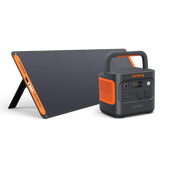
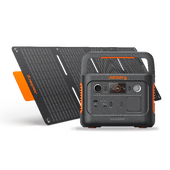
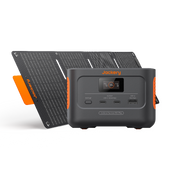
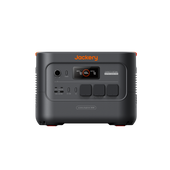
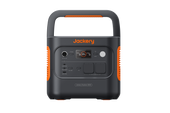
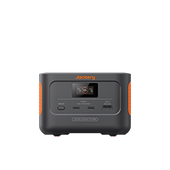
Jackery Explorer 1000 v2
The Jackery Explorer 1000 v2 is the stronger choice for travellers who want more freedom to run multiple devices or power-hungry essentials. It has a 1070Wh capacity, 1500W rated AC output, and 3000W surge peak, which gives it enough headroom for much more than just phone charging. For a car trip, that can mean comfortably covering laptops, cool boxes, travel kettles, camera batteries, and other everyday kit.

Enough Power for Longer Drives and Overnight Stops
The Jackery Explorer 1000 v2 is a good fit for road trips in Ireland because it offers 1070Wh capacity with 1500W rated output and 3000W surge peak, which is enough for the kind of gear travellers often rely on during long drives and overnight stays, such as phones, laptops, cameras, portable fridges, kettles, and other travel essentials.
Multiple Ports for Everyday Travel Devices
The Explorer 1000 v2 includes 2*AC outlets, 2 USB-C ports, 1 USB-A port, and a car port, which is helpful on road trips where several devices need charging at the same time. That setup works well for modern travel, whether you need to top up phones, tablets, drones, cameras, lights, or laptops while moving around Ireland.
Fast Recharging Helps on the Move
For road travel, recharging speed matters. The Explorer 1000 v2 is listed as charging in about 1.7 hours by AC, with an emergency fast charge option of around 1 hour, which makes it easier to top up between destinations instead of losing half a day waiting for power.
Easy to Carry and Store in a Vehicle
Another reason to choose it for Ireland road trips is portability. The unit weighs about 10.8 kg, which keeps it manageable for loading into a car boot, campervan, or caravan without moving into the bulkier class of larger power stations.
Quiet and More Comfortable for Campsites or Rural Stops
The Explorer 1000 v2 is also designed for quieter operation, with the product page highlighting whisper-quiet operation under 22dB. That makes it a better fit for campsite use, vanlife-style stops, or peaceful overnight stays in scenic parts of Ireland where a loud generator would feel intrusive.
|
Features of Jackery Explorer 1000 v2 |
|
|
Weight |
10.8 kg (23.8 lbs) |
|
Dimension |
32.7 × 22.4 × 24.7 cm (12.87 × 8.82 × 9.72 in) |
|
Capacity |
20Ah/25.6V DC (512 Wh) |
|
Cell Chemistry |
LiFePO4 4000 cycles to 70%+ capacity |
|
Output Ports |
AC Output 2 Ports, 230V~ 50Hz, 1500W Rated, 3000W Surge peak USB-A Output 1 Port, 18W Max, 5-6V⎓3A, 6-9V⎓2A, 9-12V⎓1.5A USB-C Output 2 Ports, USB-C1: 30W Max, 5V⎓3A, 9V⎓3A, 12V⎓2.5A, 15V⎓2A, 20V⎓1.5A, USB-C2: 100W Max, 5V⎓3A, 9V⎓3A, 12V⎓3A, 15V⎓3A, 20V⎓5A |
|
Recharging Methods |
Emergency Charging (via App): 1H Wall Charging: 1.7H Solar Charging (SolarSaga 100W*2): 7.5H Car Charging: 12H |
Jackery Explorer 500 v2
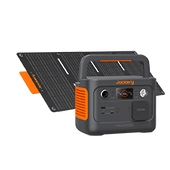
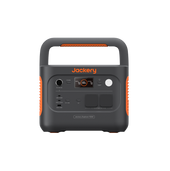
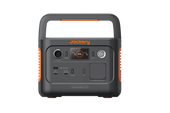
The Jackery Explorer 500 v2 suits drivers who want something smaller, lighter, and easier to pack. It at 512Wh capacity, 500W output, and around 5.7 kg, so it is much easier to lift with one hand and simpler to fit into a car boot or a compact travel setup. That makes it a good match for short road trips, weekend breaks, simple camping plans, and lighter motorhome use.

Compact Power That Suits Irish Road Trips
The Jackery Explorer 500 v2 is a practical choice for road trips in Ireland because it gives you useful portable power without taking up too much space in the car. With 512Wh capacity and 500W rated output, it is designed to cover everyday travel essentials such as phones, laptops, lights, and even a small fridge.
Easy to Carry and Store in the Car
Portability is one of its strongest features. The Explorer 500 v2 weighs only 5.7 kg and is described as one of the lightest and smallest portable power stations in its class, which makes it easy to lift with one hand and simple to store in a boot, campervan, or caravan.
Multiple Ports for Modern Travel Gear
The unit includes 2*AC outlets, 2*USB-C ports, 1*USB-A port, and a 12V car socket, which means you can charge several devices at the same time. That is especially helpful on the road. It is positioned as a strong option for weekend camping, overnight trips, and short-term travel use, which aligns well with many Ireland road trips that mix driving, sightseeing, and occasional overnight stops.
Smart Charging with Solar Priority
Green Energy First – The Explorer 500 v2 smartly prioritises solar when both solar panels and AC are connected, topping up with mains only when needed. Efficient, eco-friendly, and designed to cut your electricity costs.
|
Features of Jackery Explorer 500 v2 |
|
|
Weight |
5.7kg (12.57 lbs) |
|
Dimension |
31.1×20.5×15.7 cm |
|
Capacity |
20Ah/25.6V DC (512 Wh) |
|
Cell Chemistry |
LiFePO4 6000 cycles to 70%+ capacity |
|
Output Ports |
AC Output 2 Ports, 230V~ 50Hz, 2.18A USB-A Output 1 Port, 18W Max, 5-6V⎓3A, 6-9V⎓2A, 9-12V⎓1.5A USB-C Output 1 × USB-C1 :100W Max, 5V⎓3A, 9V⎓3A, 12V⎓3A, 15V⎓3A, 20V⎓5A 30W Max, 5V⎓3A, 9V⎓3A, 12V⎓2.5A, 15V⎓2A, 20V⎓1.5; 1 × USB-C2 : 30W Max, 5V⎓3A, 9V⎓3A, 12V⎓2.5A, 15V⎓2A, 20V⎓1.5A |
|
Recharging Methods |
AC + SolarSaga 100W: 1 Hr Wall Charging: 1.3 Hrs 200W Solar Input: 2.8 Hrs 12V Car Charging: 6 Hrs |
FAQs
The following are frequently asked questions about the parking in Ireland.
1. Is there an app to pay for parking in Ireland?
Yes. In some Irish cities, drivers can pay by app or phone instead of using a machine. Dublin supports mobile payment through Payzone, Cork offers Park By Phone, and Galway has the Galway City Parking app, along with online and phone payment options.
2. What happens if you do not pay a parking fine in Ireland?
If you do not pay a fixed-charge parking fine within 28 days, the fine increases by 50%. If it still remains unpaid, the case can be taken to court.
3. Are there Park and Ride options in Irish cities?
Yes, but they vary by city. Dublin already has Park and Ride options linked to Luas and rail services, while the National Transport Authority is also progressing Park and Ride plans for the Greater Dublin Area and regional cities. In some places, options may be more limited or seasonal rather than city-wide year-round.
4. Can you park in supermarket or shopping centre car parks for free in Ireland?
Sometimes, but not automatically. Many supermarket and shopping centre car parks are private, so they can set their own rules, time limits, fees, and clamping conditions. Always check the signs before leaving your car.
Final Thoughts
Parking in Ireland is usually manageable once you understand the local system, but it is not something to take for granted. The details matter, from street signs and yellow lines to payment hours, overnight rules, and the differences between city parking, private car parks, and motorhome stops.
The main thing is to park carefully, read the signs properly, and choose the right type of parking for where you are going. In busy cities, that often means planning ahead. On longer drives or motorhome trips, it also helps to think about comfort and convenience beyond just finding a space. A Jackery Portable Power Station can be a practical addition for keeping travel essentials charged on the road.


