























What are the current problems with the power grid in Europe? The answer lies in a critical mismatch: aging infrastructure designed for the fossil fuel era is struggling to handle the decentralized, digital, and electrified reality of 2026.
For European households, this systemic strain translates into tangible risks: volatile energy prices, delayed connections for new solar installations, and an increased frequency of localized outages. As electrification accelerates with EV and heat pump adoption, understanding these grid vulnerabilities is the first step toward securing your home’s energy resilience.
1. Aging Infrastructure and Grid Modernization
Aging infrastructure is the primary bottleneck facing Europe's electricity network. A significant portion of the continent's low-voltage distribution lines and transformers were installed decades ago, designed for a one-way flow of power from massive coal or nuclear plants to passive consumers.
The Vulnerability of Outdated Systems
Grid architecture struggles because power now flows in two directions as households generate their own electricity via rooftop solar. Old transformers, lacking digital monitoring capabilities, often face overloads during peak production hours or high demand.
These legacy assets are prone to specific failure modes that modern systems avoid. When a transformer overheats or a line sag due to thermal stress, the equipment can trigger cascading local outages. Unlike modern smart grids that can isolate faults instantly, older networks often require manual intervention, prolonging blackout durations during extreme weather or demand spikes.
Real-World Impact on Homeowners
The consequences of this aging hardware are already hitting consumers through connection delays. If you are planning to install solar panels or a heat pump, Distribution System Operators (DSOs) may deny or postpone connection requests because the local substation cannot handle the additional load or reverse flow without expensive upgrades.
Actionable advice: Don't wait for a blackout to investigate your local grid's health. Monitor your local DSO’s reinforcement plans—many publish annual investment reports. Joining local energy cooperatives can also give you a voice in prioritizing neighborhood upgrades.
2. Integrating Renewable Energy: A Double-Edged Sword
The transition to green energy is essential for climate goals, but it introduces technical volatility that the legacy grid struggles to manage.
Intermittency and Instability
Wind and solar power are inherently variable, creating immediate supply gaps when wind speeds drop or cloud cover increases. Conversely, a sunny, windy Sunday can flood the grid with excess power when demand is low. This variability stresses the grid’s frequency control mechanisms, which must keep the system at a strict 50Hz to prevent damage to electronics.
Traditional thermal power plants provided synchronous inertia — heavy spinning turbines that naturally dampen sudden frequency changes. As these plants retire, the grid loses this buffer, making sustainable winter energy solutions critical for maintaining reliability during seasonal gaps.
Managing the Imbalance
Grid operators are responding with AI-driven forecasting and Grid Enhancing Technologies (FACTS) to stabilize voltage. However, these are high-level fixes. At the household level, the rapid deployment of solar without adequate storage causes localized congestion.
Household advice: To buffer against this instability, pair any rooftop solar installation with battery storage. This allows you to store excess energy during the day and use it during evening peaks, reducing your reliance on a stressed grid.

3. Rising Demand and New Load Patterns
Electrification places unprecedented pressure on the last mile of the power grid—the cables running down your street. While this shift reduces carbon emissions, it drastically alters load patterns.
Managing the Electrification Boom
The simultaneous adoption of Electric Vehicles (EVs) and heat pumps is the primary driver of new demand. A single EV fast charger can consume as much energy in just one hour as an entire household uses in a day. When clustered in residential neighborhoods, these new loads create demand spikes that low-voltage networks were never sized to handle.
Neighborhood Stress Points
Reports have linked neighborhood grid congestion and voltage drops to synchronous charging—the phenomenon where residents return home and plug in EVs at the same time (usually between 6 PM and 8 PM). This behavior creates a massive spike that trips to local substations.
To mitigate this, utilities are rolling out time-of-use pricing and smart charging incentives. However, until the infrastructure catches up, the risk of brownouts during peak winter evenings remains high.
Consumer step: Utilize smart chargers that schedule charging for off-peak hours (typically after midnight). This not only lowers your bill but also prevents your local transformer from overloading.
4. Cybersecurity Threats and Grid Vulnerability
As the grid becomes smarter, it also becomes more exposed. The digitization of energy systems—from smart meters to aggregator platforms—expands the attack surface for cyber threats.
Digital Risks and Smart Meters
Cybersecurity is no longer just an IT issue; it is a physical safety issue. Threat actors, including state-sponsored groups and ransomware gangs, actively target utility networks. A successful breach could manipulate smart meters, shut down substations, or disrupt the frequency of balance across borders.
Protecting Your Home Network
The vulnerability extends to the home. Internet-connected inverters and energy management systems can serve as entry points for attackers if not secured.
Best practice: Treat your energy hardware like your banking data. Segment your home network so that smart energy devices (inverters, chargers) are on a separate Wi-Fi network from your personal computers. Always keep firmware updated and use strong, unique credentials for all energy portals.
5. Policy, Regulatory, and Financial Hurdles
Technical solutions exist, but bureaucratic friction often prevents rapid deployment.
The Cost of Fragmentation
Europe’s power grid is a patchwork of national systems. While cross-border interconnectors exist, national planning often takes precedence over continental efficiency. This fragmentation slows down projects that would allow countries to share surplus renewable energy instantly.
Financial barriers are equally daunting. Upgrading the grid requires massive upfront capital. Regulatory uncertainty regarding who pays for these upgrades—utilities or consumers—deters investment. This leads to a wait and see approach that leaves infrastructure underfunded.
Citizen Engagement
Policy direction is slowly shifting toward streamlined permitting and targeted EU financing. However, the pace is often too slow to match the speed of electrification.
Citizen engagement: Advocate for faster permitting processes in your municipality. Support cross-border interconnector projects, as these are proven to improve reliability by allowing your region to import power when local generation fails.
6. Solutions and the Path Forward
Solving grid instability requires a multi-layered strategy involving transmission reinforcement, AI-driven balancing, and distributed storage. While utilities work on the macro level, households must focus on local resilience.
The Role of Storage and Flexibility
Batteries (BESS) and pumped hydro are essential to buffer renewables. They store energy when the sun shines and release it when demand peaks. On a smaller scale, demand response programs—where consumers are paid to reduce usage during peaks—are becoming vital tools for grid stability.
Household Resilience: The Jackery Solution
For homeowners, waiting for systemic upgrades is not a strategy. Personal energy storage provides an immediate buffer against frequency instability and short-term outages.
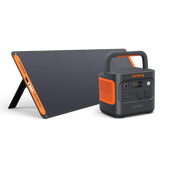
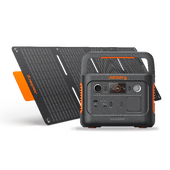
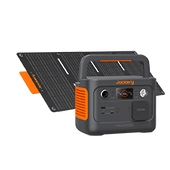
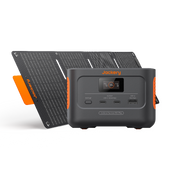
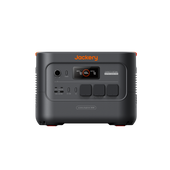
The Jackery Explorer 2000 v2 Portable Power Station offers a practical defense against grid unreliability.
- Capacity: This 2042Wh unit provides sufficient capacity to power essential circuits during extended blackouts.
- Battery Tech: The Explorer 2000 v2 utilizes durable LiFePO4 battery chemistry to ensure a long lifespan of 4,000 charge cycles.
- UPS Function: The station features a <20ms UPS (Uninterruptible Power Supply) switchover. If the grid fails, the Jackery unit takes over instantly, keeping fridges and Wi-Fi routers running without interruption.
For larger households with higher energy demands, the Jackery Explorer 3000 v2 Portable Power Station (3072Wh) provides extended runtime for high-load appliances. Understanding how solar energy household battery backup integrates with your home is essential for long-term resilience.
Conclusion: Practical Takeaways for Readers
What are current problems with the power grid? They are a complex mix of aging copper, digital threats, and the growing pains of a green transition. While the long-term outlook involves a smarter, cleaner grid, the immediate future (2025–2026) will be characterized by volatility.
You cannot control national infrastructure investment, but you can control your home's resilience. By improving energy efficiency, shifting demand to off-peak hours, and securing backup power, you insulate your household from the systemic risks affecting Europe’s energy network. Don't wait for the grid to become perfect. Empower yourself with knowledge and preparation today.
Quick Checklist for Households (Practical Preparation)
- Check local plans: Review your DSO’s outage maps and reinforcement timelines to understand your neighborhood's specific risks.
- Shift loads: Program EVs and heavy appliances (washing machines, dishwashers) to run during off-peak hours to reduce grid strain.
- Prepare backup: Secure a power backup solution like the Jackery Explorer 2000 v2 Portable Power Station to keep essentials running during brownouts.
- Boost efficiency: Replace lighting with LEDs and improve insulation. Lowering your baseline demand reduces your exposure to high prices and grid instability.
- Stay informed: Sign up for SMS or app alerts from your local grid operator to receive real-time notifications about maintenance and incidents.
Frequently Asked Questions
How do national grid policies impact local household energy costs?
National policies dictate how much DSOs can invest in infrastructure upgrades. If policies lag, DSOs may raise network fees on consumer bills to cover the urgent costs of reinforcing aging local cables.
Can smart home devices worsen grid instability during peak times?
Yes, if unmanaged. If millions of smart devices (like EVs) automatically start charging at the same time, they create a super-peak that can overwhelm local transformers; smart scheduling prevents this.
What role do individual citizens play influencing grid modernization?
Beyond voting, citizens can join local energy communities (LECs) to collectively invest in neighborhood storage and solar, reducing reliance on the central grid and forcing faster modernization.
Are there specific regions in Europe more vulnerable to grid problems?
Rural areas at the edge of the grid and rapidly densifying urban zones are most vulnerable. Rural lines often lack capacity for new solar, while urban cables struggle with the density of EV chargers.
How will advancements in energy storage technology affect grid stability long-term?
Advanced storage will decouple supply from demand, allowing the grid to remain stable even when renewables fluctuate. This decentralization reduces the need for massive new transmission lines, lowering long-term system costs.


