
















Towing a caravan can open up a more flexible way to travel, but it also brings extra responsibility before you set off. It is not only about hitching up and getting on the road. Drivers need to understand towing rules in Europe, check that their car is suitable for the caravan they plan to tow, and make sure everything is properly prepared for a safe and steady journey.
This guide explains what a driver should do before towing a caravan, including the main regulations to know, how to choose a suitable towing vehicle, and the key checks to carry out before departure. It also explores practical ways to make caravan travel more comfortable, including using a Jackery Solar Generator for convenient off-grid power during your trip.
|
Key Takeaways: |
|
Do I Need a Licence for Towing a Caravan in Europe?
Usually, yes. In Europe, the licence question is mainly about weight class, not just whether you are towing a caravan rather than a general trailer. EU driving licence categories are recognised across Europe, and the core categories for caravan towing are B and BE. Category B covers passenger vehicles up to 3,500 kg, and light trailers up to 750 kg can be towed with that category. Category BE applies where a category B vehicle is towing a heavier trailer under 3,500 kg.
For UK-issued licences used abroad, drivers towing a trailer over 750 kg abroad should check whether category BE needs to be shown on the licence before travel.
Licensing Regulations for Towing a Caravan or Trailer
Before setting off, check three things together: your car’s legal towing capacity, your caravan’s maximum authorised mass, and the towing category shown on your licence. The licence categories themselves are harmonised across Europe, but the way they are applied on the road can still depend on national enforcement and the country that issued your licence.
If you are travelling from the UK, you must carry your driving licence with you, and in some cases you may also need an International Driving Permit depending on the country and the format of your licence.
Registration Requirements
Your tow car must be properly registered, and when travelling in Europe you should carry the vehicle registration certificate with you. Your Europe states that the registration certificate issued in one EU country must be recognised by other EU countries when you travel, and that Part I is enough if the certificate has two parts.
For the caravan or trailer itself, registration depends on the country and the trailer weight. For UK travellers, all trailers over 750 kg must be registered to drive through or to most countries in Europe, apart from Ireland, Cyprus, Malta and Spain. It also says the trailer will need its own registration plate and a trailer registration certificate that can be shown to foreign authorities.
Load Reporting and Oversized Loads
For normal holiday towing, there is not one single Europe-wide rule called “load reporting” that applies in the same way everywhere. What matters is whether your caravan and everything in it stays within the legal weight and dimension limits, and whether the load is properly secured.
If the load or vehicle combination exceeds the legal maximums, it becomes an abnormal load and special permits may be required from national or regional authorities.
Mandatory Equipment
There is no single equipment list that is identical across every European country, but some items come up repeatedly. Many countries require a reflective jacket and a warning triangle, and depending on where you drive you may also need headlight converter stickers, a UK sticker, or emission permits for certain cities.

Can My Car Tow a Caravan? How to Choose the Right Tow Vehicle?
Not every car that feels powerful is automatically a good tow car. The first thing that matters is not engine size or marketing language, but the vehicle’s legal towing limits. Most cars have a maximum towing weight set by the manufacturer, and this is usually shown in the handbook, specification sheet, or on the VIN plate together with the gross train weight.
Start With the Car’s Towing Capacity
The safest place to begin is the car manufacturer’s towing capacity. If the caravan’s fully loaded weight is higher than the car’s towing limit, the match is not suitable, even if the car seems capable in everyday driving.
Understand the Weight Match
A widely used caravan industry recommendation is the 85% guide. The Camping and Caravanning Club recommends that drivers, especially beginners, tow a caravan whose laden weight is no more than 85% of the car’s kerbweight. More experienced drivers may go higher, sometimes up to 100% of kerbweight, but the caravan should never exceed the vehicle’s actual towing limit.
Check Gross Train Weight and Payload
Even if the towing limit looks fine, you still need to check gross train weight and the payload in the car itself. The gross train weight is the maximum total for the loaded car and loaded caravan together. If you fill the car with passengers, luggage, bikes and accessories, that can reduce how much caravan weight the outfit can legally handle overall.
Noseweight Matters More Than Many Drivers Expect
A good tow match is not only about how much weight the car can pull, but also how that weight sits on the hitch. The noseweight is the downward force the caravan puts on the towball. The Camping and Caravanning Club says that, for stability, noseweight is ideally around 5% to 7% of the actual laden caravan weight, but it must never exceed the lower of the car’s towball limit or the caravan hitch limit.
What Makes a Good Tow Vehicle in Practice?
A suitable tow vehicle is usually one that offers enough legal towing capacity, enough weight and stability, and enough braking and suspension control for the size of caravan you want to pull. In practice, that often means looking for:
- A towing limit comfortably above the caravan’s loaded weight.
- A sensible weight match between car and caravan.
- Enough payload for passengers and holiday gear.
- A suitable towbar and electrical connection.
- A noseweight limit that works well with the caravan you plan to tow.

Why Would You Fit a Stabiliser Before Towing a Caravan?
You fit a stabiliser to make the caravan outfit more stable on the road. Its main job is to reduce unwanted sway or snaking, especially when the caravan is disturbed by crosswinds, a sudden steering correction, a pothole, or the pressure wave from a passing lorry.
Most modern hitch stabilisers work by applying friction at the towball, which resists small side-to-side movements before they build into something more serious.
Safe towing still depends first on using a suitable tow car, loading the caravan properly, keeping within towing limits, and maintaining the vehicle and caravan in roadworthy condition.
Check Your Car Before Towing a Caravan
Before towing a caravan, the car needs more than a quick glance around. A towing setup may look fine when parked, but small problems with the towbar, tyres or electrics can quickly turn into bigger safety issues once you are on the road.
Check the Towbar First
The towbar is the main connection between the car and the caravan, so it needs to be secure and in good condition. A well-fitted and maintained towbar is vital for safety, and recommends checking for cracking, serious rust and correctly tightened bolts. You should also make sure the hitch is properly engaged on the towball and that any breakaway cable or secondary coupling is attached correctly.
Check Tyres on Both Car and Caravan
Tyres are easy to overlook, especially if the outfit has been standing still for a while. Before towing, check the tyre pressures on both the tow car and the caravan, including the spare if you carry one. Tyres should also be checked for tread depth, cracking, bulges and signs of ageing.
Make Sure the Brakes Feel Right
Your car’s brakes need to cope with the added weight of the caravan, so they should feel sharp and consistent before you set off. After moving off, you should check that the trailer brakes are working properly. If braking feels delayed, uneven or weak, the outfit should not be taken on a longer journey until the problem is checked.
Test the Electrics and Lights
The electrical connection between car and caravan should be checked before every trip. Once plugged in, test the road lights and indicators to make sure everything works properly. Pre-journey checklist includes checking tow electrics and road lights as a standard safety step before towing.
If the brake lights, indicators or side lights are not working correctly, the caravan becomes much harder for other drivers to read in traffic, especially in rain, poor light or on motorways.
Do Not Ignore Suspension and Ride Height
Suspension is not always listed first on towing checklists, but it plays a big role in stability. If the rear of the car sags noticeably when the caravan is hitched, or if the car already feels overloaded with passengers and luggage, the towing setup may be poorly balanced or too close to its limits.
Check the Noseweight Carefully
Noseweight is the downward force that the caravan places on the towball, and it has a direct effect on towing stability. A noseweight of about 5% to 7% of the actual laden caravan weight for stability, but it must never exceed the lower limit set by the car or the caravan hitch. Too little noseweight can make the caravan more likely to sway, while too much can overload the towbar or rear axle of the car.
Fit Mirrors That Give a Clear Rear View
Towing mirrors are not just an optional extra for convenience. The law requires an adequate view down both sides of the caravan, and that very few car-and-caravan combinations provide a legal enough rearward view without extension mirrors. Before departure, make sure the mirrors are fitted securely, adjusted correctly and stable at speed.
A Simple Pre-Tow Check Before You Leave
Before towing a caravan, make sure the towbar is secure, the tyres are correctly inflated, the brakes feel right, the electrics and lights are working, the car is sitting properly under load, the noseweight is within limits, and the mirrors give a full view down both sides of the caravan.

Matching: Payload, Breakaway Cable, Coupling and the Final Checks Before You Leave
A good caravan match is not only about whether the car can pull the weight. It is also about how the caravan is loaded, how the coupling is secured, and whether the whole outfit is ready to move safely. In real use, a towing setup can be legal on paper but still feel unstable if the payload is poorly distributed, the noseweight is wrong, or the hitch connection has not been checked carefully.
Payload: what it means and why it matters?
Payload is the amount of weight you can add to the caravan. Payload, also called user payload, as the difference between the MTPLM and the MIRO. In simple terms, this is the allowance for your clothes, food, awning, equipment, and other touring items.
It also affects balance. If too much weight is placed badly inside the caravan, the outfit can become less stable on the road. Heavy items should be loaded low down and close to the axle area where possible, rather than high up or right at the back. A caravan can also run out of payload faster than many drivers expect.
Breakaway cable: a legal safety backup
If your caravan has brakes, the breakaway cable is a key part of the safety setup. You must use a breakaway cable or secondary coupling in case the trailer becomes detached from the car. The purpose of the breakaway cable is to apply the caravan’s brakes if the caravan becomes unhitched.
The cable itself should be checked before every trip. It should not be worn or damaged, it should have enough slack so it does not apply the brakes unintentionally, and it must not drag on the ground while driving.
Coupling: make sure the caravan is properly attached
The coupling is the point where the caravan hitch locks onto the towball, so this needs to be checked carefully before you set off. The trailer must be coupled correctly and all locking devices must be secure before driving.
You should check that the hitch is fully seated on the towball, the coupling indicator shows that it is locked if your hitch has one, the jockey wheel is fully raised, and the electrics are connected properly.
Before towing away, run through a final walk-around and make sure:
- The caravan is within its payload and weight limits
- Heavy items are packed low and close to the axle
- The noseweight is within the allowed range
- The coupling is properly locked onto the towball
- The breakaway cable is attached correctly
- The jockey wheel is raised
- The electrics are plugged in
- The lights, indicators and brake lights all work
- The number plate is visible and correct
- Tyres look sound and are inflated correctly
- Mirrors are fitted and adjusted for a clear rear view

Towing on the Road: How to Drive Safely When Towing a Caravan
Towing a caravan changes the way the car responds in almost every situation. Acceleration is slower, braking distances are longer, blind spots are bigger, and the whole outfit needs more space when turning, overtaking or joining traffic.
Take Corners More Gently
Corners need a slower, wider and more deliberate approach when a caravan is attached. Because the outfit is longer than the car alone, the caravan tracks differently through bends and roundabouts. Drivers should make allowances for the extra length of the vehicle with the trailer or caravan, particularly when turning or emerging at junctions.
Keep Speed Under Control
Speed is one of the biggest factors in towing safety. Snaking is often linked to excessive speed, along with poor loading, inadequate noseweight and incorrect tyre pressures. Even when the road feels easy, towing is safer when you keep the pace steady and avoid sudden speed changes. Higher speeds reduce your reaction time and can make any instability harder to control.
Hill Starts Need More Control
Hill starts are one of the first times new caravan drivers notice the extra weight behind them. Hill starts need more throttle than normal and more delicate clutch control to avoid stalling.
The key is to stay composed and avoid rushing the pull-away. Give yourself enough space, use the handbrake or hill-hold system properly if your car has one, and be prepared for the car to feel heavier and slower to move off than usual.
Brake Earlier and More Smoothly
Braking is one of the biggest differences when towing. The Camping and Caravanning Club says it will take, on average, about 20% more distance to stop when towing, and recommends avoiding violent braking. Drivers should allow more time and brake earlier when slowing down or stopping with a trailer or caravan.
Know What to Do if the Caravan Feels Unstable
Instability, often called snaking, is one of the main towing risks drivers worry about. Snaking is commonly caused by bad loading, inadequate noseweight, excessive speed or incorrect tyre pressures, and adds that air turbulence from passing lorries or coaches can also affect a towing outfit.
The best response is to stay calm, ease off the accelerator, keep the steering straight and avoid sudden braking or sharp steering corrections. Preventing instability starts before you drive, through good loading, correct tyre pressures, sensible speed and a properly matched outfit.
Do Not Drive Tired
Towing asks more of the driver than normal solo driving. You need more concentration, more anticipation and more patience, especially on longer motorway stretches or in bad weather. Because braking distances are longer and the outfit is less forgiving, tiredness reduces the margin for error. This is an inference based on the increased handling and braking demands

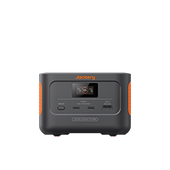
Jackery Solar Generators for Caravans Campervans & Motorhomes
A caravan trip is usually more enjoyable when you are not constantly managing low battery levels, limited hook-up access, or where to charge the basics next.
That is why a solar generator can make sense for caravan use. It gives you a portable power source for everyday essentials such as phones, laptops, lights, portable fridges, small kitchen devices, and other travel gear, while solar charging adds more flexibility when you are staying off-grid or moving between sites.
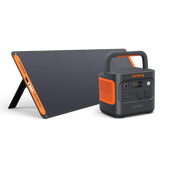
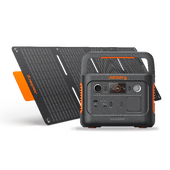
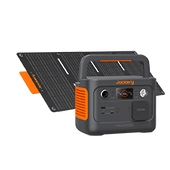
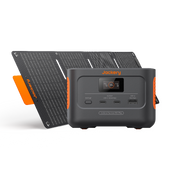
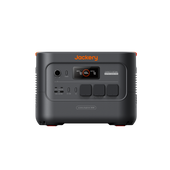
Jackery Solar Generator 3000 v2 and Solar Generator 2000 v2 as off-grid-capable systems built around LiFePO4 battery platforms and solar panel compatibility.
Jackery Solar Generator 2000 v2
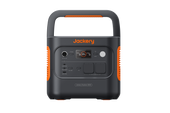
The Jackery Solar Generator 2000 v2 is the more balanced option for many caravan owners who want strong output without stepping up to a larger 3kWh class unit. It has 2,042Wh capacity and 2,200W output, with two AC outlets, one USB-A port, two USB-C ports, app control, and AC, solar and car charging options. It is the lightest and smallest 2kWh LiFePO4 power station in its class.

Strong Power for RV Camping Essentials
The Explorer 2000 v2 provides reliable power for RV camping and can run essential appliances such as portable refrigerators, microwaves, and coffee makers. This makes camping more comfortable and reduces the hassle of frequent recharging or limited power access.
Lighter and More Compact 2kWh Design
One of its standout features is its 2kWh LiFePO4 capacity combined with advanced EV-grade CTB (Cell to Body) structure technology. At just 17.5kg, it is lighter and more compact than many similar models, and the foldable handle makes it easier to carry for road trips, camping, and off-grid travel.
Very Fast Charging When Needed
The Explorer 2000 v2 supports Emergency Super Charge Mode, which can be activated through the Smart App to charge from 0% to 80% in just 52 minutes. Even in standard AC charging mode, it reaches a full charge in 103 minutes, making it highly convenient when you need power quickly.
Durable and Built for Tough Conditions
This model is designed for demanding outdoor use. It has passed the IEC60068-3-3 seismic test, showing durability even under extreme conditions, and it is also drop-resistant, giving users more confidence during travel, transport, and rough outdoor use.
Long Battery Life with Advanced Safety Protection
The Explorer 2000 v2 uses a LiFePO4 battery with up to 4000 charge cycles, and its foldable solar panel is also designed for up to 4000 uses. It also includes 62 layers of protection, with 12 protective algorithms and 4 layers of physical safety, and is certified by FCC, SGS, and TÜV, which highlights its strong safety, reliability, and long-term performance.
Jackery Solar Generator 3000 v2
The Jackery Solar Generator 3000 v2 is the stronger choice if your caravan setup includes higher-demand appliances or if you want more reserve for longer stays. It boasts 3,072Wh capacity with 3,600W output and 7,200W surge power, along with three AC sockets, two 100W USB-C ports, two USB-A ports and a 12V car port. For caravan travel, that gives it a broader margin for running multiple devices or more demanding equipment without feeling like you are right at the limit.

High-Capacity Power for Off-Grid and Home Use
The Explorer 3000 v2 delivers a large 3072Wh capacity with 3600W pure sine wave output and 7200W surge power, making it suitable for both off-grid living and home backup needs. It can run demanding appliances such as kettles, power tools, mini-fridges, and portable heaters with ease.
Multiple Outputs for Simultaneous Charging
It is designed to power several devices at the same time, thanks to its wide range of ports. The unit includes 3 UK AC sockets, 2 USB-C ports, 2 USB-A ports, and a 12V car port, which makes it practical for charging appliances, electronics, and camping gear together.
More Compact and Travel-Friendly Design
A major feature of the Explorer 3000 v2 is that it delivers high capacity in a more portable form. It is 47% more compact and 43% lighter than similar models, making it easier to store at home or pack into a vehicle for outdoor trips. Its advanced CTB structure technology also improves space efficiency and durability.
Long-Lasting Battery with Strong Reliability
The Explorer 3000 v2 uses advanced LiFePO₄ battery cells with up to 4000 charge cycles, providing around 10 years of reliable power for daily and emergency use. It also features low self-discharge technology, allowing it to retain up to 95% charge after a full year in storage, so it stays ready when needed.
High-Efficiency and Portable Solar Charging
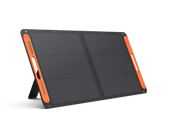
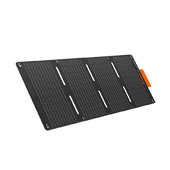
Its advanced SolarSaga 200W solar panel offers up to 25% conversion efficiency with dual-sided IBC technology, helping capture more solar energy even in low-light or difficult weather conditions. At just 6.2kg with a built-in handle, the panel is also lightweight and easy to carry, making solar charging more practical on the go.
FAQs
The following are frequently asked questions about the towing a caravan.
1. What equipment do I need for towing a caravan?
You typically need a suitable towbar, working trailer brakes if required, electrics and lights, a correctly attached breakaway cable or secondary coupling, and towing mirrors if the caravan is wider than the rear of the car.
2. How to level a caravan?
Park on the flattest ground possible, level the caravan side to side first with a levelling ramp if needed, then unhitch and adjust front to back with the jockey wheel until the caravan sits level. This is standard caravan setup practice rather than a legal rule.
3. What speed can you drive at when towing a caravan in Europe?
There is no single Europe-wide towing speed limit. Limits vary by country and sometimes by vehicle weight. For example, France applies different towing limits depending on the total weight, while Ireland reduces motorway speed for a car towing a caravan to 80 km/h.
4. What are the towing laws in Europe?
The basics are broadly similar across Europe, but the exact rules are national. You need the correct licence category, the right registration and insurance documents, and in some cases trailer registration before towing abroad. UK guidance also says to check whether you need category BE on your licence and whether your trailer must be registered.
5. What are the common towing mistakes?
Common mistakes include overloading, poor payload distribution, incorrect noseweight, wrong tyre pressures, missing mirror checks, and driving too fast for the conditions. These are some of the main causes of unstable towing setups.
Final Thoughts
Towing a caravan safely starts long before you pull away. It means understanding the legal rules for your route, making sure your car is genuinely suitable for the caravan, and checking the full towing setup carefully before every trip. Weight limits, loading, coupling, mirrors, tyres, brakes and driving style all play a part, and small details matter more when a caravan is attached.
Once those basics are covered, caravan travel becomes far more relaxed and enjoyable. You can focus less on whether the outfit is safe and more on the journey itself.


