




















Choosing the right caravan park can make or break your trip. Many beginners worry about making the wrong choice, ending up in a location that doesn't match their expectations or budget. This article aims to help you understand the complex rules of caravan parks, and finding the right balance between cost-saving and essential amenities.
What Defines the Best Caravan Park for You?
The concept of the "best" caravan park is entirely subjective. Your ideal site depends on your travel priorities, whether you seek solitude in nature, family-friendly entertainment, or a budget-conscious base for exploration.
To make an informed decision, evaluate potential parks against these core criteria:
- Setting & Scenery: Consider what you want to wake up to. Do you prefer the dramatic beauty of Norwegian fjords and Scottish forests, or the convenience of a resort-style park with all amenities on your doorstep?
- Cost & Inclusions: Nightly prices vary significantly by region and season. Check what is included in the fee, as essentials like electricity, showers, and Wi-Fi can sometimes be add-on costs.
- Facilities & Cleanliness: Reliable and clean facilities are crucial. Look for recent reviews mentioning the state of toilets, showers, waste disposal points, and laundry services.
- Accessibility & Pitch Quality: Ensure the park is easily accessible for your vehicle. Consider the size of the pitches, their levelness, and their proximity to local towns or attractions for supplies and day trips.
- Pet-Friendliness: If traveling with a pet, always check the park's specific on-site rules. Verify leash policies, access to local walking trails, and any restrictions before you book.
How Do I Choose the Right Park?
To simplify your search, match your travel style to the right type of park.
|
Travel Style |
Key Priorities |
Ideal Park Type |
|
For Families |
Pools, kids' clubs, playgrounds, easy access to attractions |
Large, amenity-rich resorts in France, Italy, or Spain. |
|
For Vanlife & Long-Term Travel |
Easy drive-on pitches, good mobile coverage, laundry, proximity to towns |
A mix of municipal sites ("Aires") and well-equipped parks. |
|
For Pet Owners |
Fenced dog areas, nearby walking trails, compatible entry paperwork |
Parks with clear pet policies and easy access to nature. |
Actionable Tip: Use Google Maps' satellite view and browse recent visitor photos before booking. This allows you to check a pitch's real condition, assess the amount of shade, and see how flat the ground is, avoiding unpleasant surprises on arrival.
A Regional Guide to Europe's Best Caravan Parks and Travel Styles
Europe's diverse landscapes offer a wide range of caravanning experiences. To help you choose, we've grouped countries by the type of adventure they offer, allowing you to plan based on your interests rather than just geography.
Where Can I Go for Nature and Wild Camping?
Focus Region: Scandinavia (Norway, Sweden) & Scotland.
These regions are defined by the "Right to Roam" or "Allemansrätten," a principle that grants public access to certain lands for recreation. This offers incredible freedom for spontaneous, nature-focused stays, allowing you to immerse yourself in some of Europe's most dramatic landscapes. For those seeking a true outdoor experience, this is the ultimate destination.
However, this freedom comes with crucial caveats. You must respect local rules, which often include time limits on stays (typically 1-2 nights), staying a set distance from private property, and following strict leash laws for dogs to protect wildlife and livestock. Always practice "leave no trace" principles.
Practical Tip: Download offline maps before heading into remote areas where mobile signal is unreliable. Pack for unpredictable weather, as conditions in these regions can change rapidly, even in summer. For more detailed information, our guide to wild camping in the EU offers essential tips.
What Are the Best Regions for Family Fun?
Focus Regions: Italy, Croatia, and Spain.
The Mediterranean coast is home to some of Europe's largest and most amenity-rich caravan parks. The typical experience here is a full-service resort, often featuring large swimming pools, waterparks, kids' clubs, restaurants, and direct access to sandy beaches.
The primary advantage is convenience. Everything you need for a relaxing family holiday is on-site, from entertainment to groceries. These parks also serve as excellent bases for day trips to explore historic towns, ancient ruins, and vibrant local markets.
Booking Advice: These coastal destinations are extremely popular. Booking is essential for the high season (July and August), often many months in advance, to secure a good pitch.
How Can I Travel on a Budget?
Focus Regions: France and Eastern Europe (e.g., Poland, Czechia).
France offers a unique system of "Aires de Service" and municipal campsites. These are low-cost (often €10-€20 per night) or even free spots, sometimes unstaffed, providing basic services like water and waste disposal. They are perfect for flexible itineraries and overnight stops.
Eastern European countries like Poland and the Czechia offer affordable, quiet, and authentic nature settings. Parks here are often simpler and less crowded, providing a peaceful escape. However, be prepared for more basic facilities and potentially limited English language support from staff.
Where Are the Best Parks for Scenery and Hiking?
Focus Regions: Switzerland & The Alps (Austria, Germany).
The main draw for this region is the unparalleled mountain scenery. Caravan parks in the Alps offer direct access to world-class hiking and biking trails, with breathtaking views from your pitch. It's an ideal choice for active travelers and those passionate about hiking, trekking, and backpacking.
The trade-offs include higher nightly rates and smaller, more compact pitches due to the mountainous terrain. Booking far in advance is crucial, especially for the summer months when demand is at its peak.
Practical Tip: Germany offers many well-maintained and family-friendly sites in scenic regions like the Black Forest, providing a slightly more affordable alternative to Switzerland with excellent facilities.

Your Essential European Caravan Planning Guide
Proper planning is the key to a stress-free European road trip. From booking your sites to ensuring you have the right documents and power supply, these steps will set you up for success.
How Should I Handle Booking and Timing?
When to Book For popular parks in coastal Italy, Spain, or the Alps, book 3-6 months ahead for travel in July and August. For more flexibility, travel in the shoulder seasons (May, June, or September), when parks are quieter and prices are lower.
Crowd-Avoidance Tactics Traveling in the shoulder seasons is the best way to avoid crowds. You can also find hidden gems by choosing caravan parks located just outside major tourist hotspots, offering better value and a more peaceful atmosphere.
Money-Saving Tips Use discount cards like ACSI CampingCard, which offer reduced rates in the low season. Always compare the price of booking directly with the park versus using an aggregator site. Look for ferry and campsite bundle deals, which can offer significant savings.
What Apps and Tools Should I Use?
Equip your smartphone with essential digital tools for finding the best caravan parks.
- Park4Night: A user-driven app with peer reviews, photos, and locations for official sites, private spots, and wild camping areas.
- CamperContact: Features a vast database of verified motorhome sites, service areas, and campsites across Europe.
- Google Maps: Use the satellite view and review photos to get a real-world look at a site's layout and pitch quality.
Always cross-reference information. Check official ratings against recent user photos and reviews from the last 12 months to get the most accurate picture. For verified information, consult reputable sources like national camping clubs.
What Documents and Legalities Do I Need to Know?
- Vehicle & Driver: Ensure you have all required documents: valid passports for all travelers, the correct driving license category for your vehicle, and your vehicle's registration document (V5C in the UK). Some countries also require specific equipment like warning triangles or high-visibility vests.
- Wild Camping Rules: The legality of wild camping varies widely across Europe. It is generally permitted under specific rules in Scandinavia but is heavily restricted or illegal in countries like Spain, Portugal, and Croatia. Always check local laws to avoid fines.
- Pet Travel Checklist: To travel with a pet, you will need an EU Pet Passport or an Animal Health Certificate (AHC). Ensure your pet's microchip is readable and all vaccinations (especially rabies) are up to date. Verify any country-specific or ferry operator rules before you travel.
How Can I Power My Devices Off-Grid?
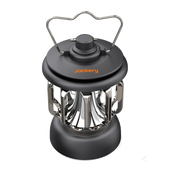
When you're parked away from a mains hookup, you need a reliable way to power your essentials. Planning your energy consumption for lights, device charging, portable fridges, and other gadgets is crucial for comfort and safety. This is where you can learn how to power your EU camping trips effectively.
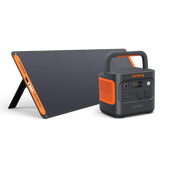
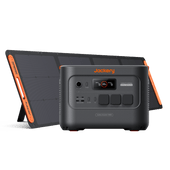
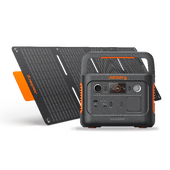
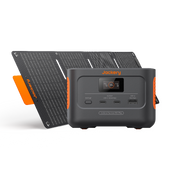
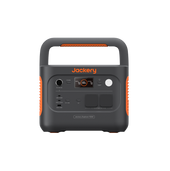
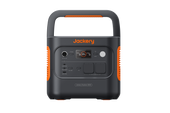
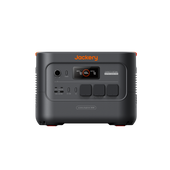
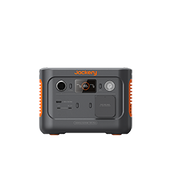
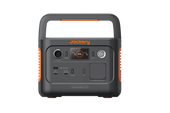
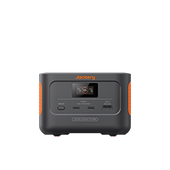
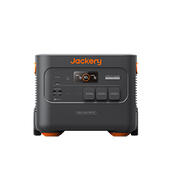
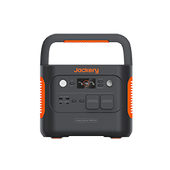
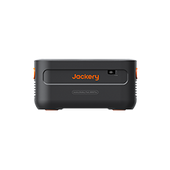
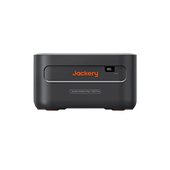
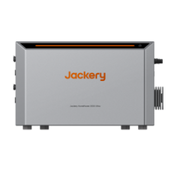
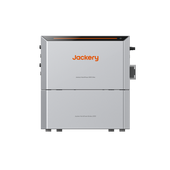
Portable power stations offer a silent, fume-free solution for staying charged off-grid. A lightweight 288Wh unit is perfect for keeping personal electronics running.
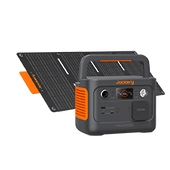
- Jackery Explorer 240 v2:
- Capacity: 256Wh
- Output: 300W (600W Surge Peak)
- Weight: 3.6 kg
- Key Features: LiFePO4 battery with 3000 cycles, fast 2-hour AC charging, and a 100W USB-C port.
- This compact unit can charge a drone (90W) 4.5 times or a camera (10W) 10 times, making it perfect for weekend trips or as a backup power source.
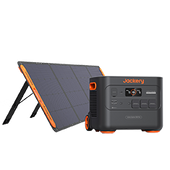
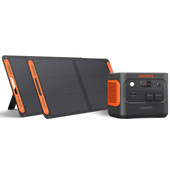
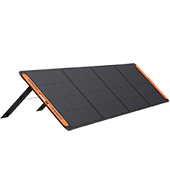
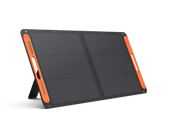
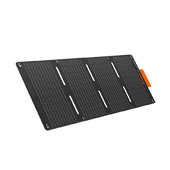
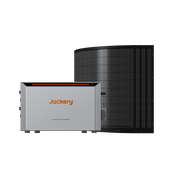
For extended off-grid stays, pair your power station with portable solar panels. This solar generator allows you to recharge your power source using clean energy, giving you complete independence from mains electricity, whether you're on a multi-day hike or enjoying a secluded spot.
Frequently Asked Questions
What should I consider when caravanning with young children or individuals with mobility challenges?
Prioritize parks with accessible facilities like level-access showers, paved pathways, and family bathrooms. Research pitch accessibility in advance and check for on-site amenities like playgrounds or pools for children.
Beyond the listed regions, are there any emerging or lesser-known European countries that offer unique caravanning experiences?
Slovenia offers stunning alpine scenery and pristine lakes as a less-crowded alternative to the main Alps. The Baltic states (Estonia, Latvia, Lithuania) provide beautiful coastal routes and forests with quiet, affordable campsites for an off-the-beaten-path adventure.
What are the common etiquette rules or unwritten cultural norms to be aware of when staying at European caravan parks?
Respect quiet hours (usually 10 PM to 8 AM), keep your pitch tidy, and dispose of grey water and chemical waste only at designated points. A friendly greeting to your neighbors is always appreciated across Europe.
How can I best prepare my caravan itself for the diverse road conditions and climates found across Europe?
Before your trip, service your vehicle, check tyre pressures (including the spare), and test all lights and appliances. Consider fitting all-season tyres for variable weather and ensure your breakdown cover is valid for all countries on your itinerary.


