












































Spring is one of the most beautiful times to explore Europe on foot. Across the continent, landscapes begin to wake up after winter, with greener valleys, blooming wildflowers, rushing waterfalls, and milder temperatures that make long walks far more enjoyable.
It is also a season that suits many different types of travellers. Some people want easy scenic walks with light layers and a camera, while others are looking for full-day routes with bigger views and more challenge.
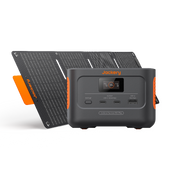
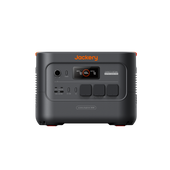
This guide covers why spring is such a good time to hike in Europe, how to choose the right trail, some of the best spring hikes across European countries, and how to prepare properly. It also looks at useful gear for the season, including Jackery Portable Power Stations for hikers who want to stay connected and organised on the trail.
|
Key Takeaways: |
|
Why Choose Spring Hiking in Europe
Spring is one of the most rewarding times to hike in Europe. After the long winter, landscapes begin to soften and brighten. Hills turn green again, wildflowers start to appear, rivers run full from snowmelt, and forests feel fresh rather than dry or crowded.
In many parts of Europe, spring brings that perfect in-between season when nature feels alive, but the busiest summer travel period has not fully arrived yet.
Another reason spring hiking appeals to so many travellers is the balance of comfort and beauty. In countries such as France, Italy, Spain, Germany, Austria, Slovenia, and Switzerland, spring often offers mild daytime temperatures that are far more pleasant for walking than the heat of high summer.
Long climbs feel easier in cooler air, and lower-altitude routes can be especially enjoyable from March to May. You can spend hours outdoors without feeling drained by intense sun or heavy humidity.
The scenery also has a different character in spring. Alpine meadows begin to open up, coastal paths become greener, and valleys are often dotted with blossoms. In Mediterranean regions, spring is often the best season for hiking because the weather is warm enough to be comfortable but not yet harsh.
Spring can also make the overall travel experience easier. Popular hiking areas are usually quieter than they are in peak summer, which means less crowded trails, more peaceful viewpoints, and in many cases, better value on accommodation and transport.
Tips for Choosing the Proper Route for Spring Hikes in Europe
Choosing the right spring hiking route in Europe is important because conditions can vary a lot from one region to another. A sunny trail in southern Spain may feel completely different from a mountain path in Austria or a woodland route in northern France.
Think About Altitude First
Altitude matters more in spring than many hikers expect. Lower-altitude trails usually open earlier in the season and are more likely to have stable walking conditions. Higher mountain routes may still have snow, ice, muddy sections, or closed facilities well into late spring.
Match the Route to the Regional Climate
Europe does not have one single spring. Southern Europe warms up much earlier, so countries such as Portugal, Spain, southern Italy, and parts of Greece are often ideal for spring walking. Central Europe can be excellent in mid to late spring, while northern and alpine areas may still feel cold or wet earlier in the season.
Check Trail Conditions, Not Just the Weather
A sunny forecast does not always mean a trail is ready. In spring, paths can be muddy, slippery, or partly blocked by snowmelt, fallen branches, or seasonal closures. It is worth checking local hiking information, park notices, or regional trail updates before heading out.
Consider Daylight and Timing
Spring days get longer, but daylight still changes a lot between March and May. Start early enough to avoid being caught out late, especially on unfamiliar routes. It also helps to choose trails with clear waymarking and realistic walking times.
Pay Attention to Access and Facilities
Some hiking routes are easier to reach than others in spring. Mountain lifts may not be running yet, seasonal huts may still be closed, and rural transport options can be more limited outside peak season. Before choosing a trail, check how you will get there, where you can park, whether nearby cafés or refuges are open, and if toilets or water points are available.
Have a Backup Route
Spring weather can change quickly, even within the same region. A smart approach is to choose a main route and keep one easier or lower-altitude alternative in mind. That way, if the forecast shifts or trail conditions look worse than expected, you can still enjoy the day instead of cancelling the whole plan.
Top 10 Spring Hikes in Europe
For spring, the best hikes are usually the ones that combine open views, reliable trail access, and scenery that looks especially good before summer crowds arrive. This mix gives you coastal walks, river valleys, vineyard trails, gorge paths, and a few hillier routes that still feel realistic in March, April, and May.
1. Sentier des Ocres, France
This is one of the easiest spring walks to love. In Roussillon, the Ochre Trail winds through striking red, orange, and gold landscapes that feel almost unreal in soft spring light. It is short, accessible, and visually rewarding, which makes it ideal for casual hikers, families, or anyone building a Provence itinerary around flowers, villages, and relaxed walks.
- Expert Tip: Go early in the day for softer light and fewer people, and pair it with a longer Luberon walk only if you want a fuller hiking day.
- Length: short and long marked circuits, roughly 30 or 60 minutes
- Difficulty: easy
- Highlights: vivid ochre cliffs, unusual colours, family-friendly route
- Temperature: typically around 16–19°C in April
- Recommended Route: choose the longer marked trail if you want more photo stops and a fuller view of the ochre landscape.

(Image Source: iStock)
2. Malerweg, Germany
If you want a spring hike with dramatic rock scenery but without going high into alpine terrain, the Malerweg in Saxon Switzerland is a strong choice. The full trail is 116 km, but in spring many travellers choose one stage or a shorter section around the sandstone formations and viewpoints. It feels wild, artistic, and very different from classic forest-only hikes.
- Expert Tip: For a spring day hike, choose one official stage rather than trying to rush too much of the route. The altitude changes, steps, and ladders can make even medium distances feel longer than they look on paper.
- Length: full trail 116 km; official stages are roughly 11–18 km each
- Difficulty: moderate overall, with some sections feeling challenging
- Highlights: sandstone towers, forest paths, viewpoints, classic Saxon Switzerland scenery
- Temperature: typically around 11–16°C in April
- Recommended Route: pick a single official stage, especially around the core national park scenery, rather than attempting multiple stages in one day.

(Image Source: iStock)
3. Caminito del Rey, Spain
Caminito del Rey is one of Europe’s most memorable spring walks because the season suits it so well. The route passes through the Gaitanes Gorge on elevated walkways with cliffs, reservoirs, and a much greener landscape than many visitors expect from southern Spain. Spring brings comfortable temperatures and better hiking conditions than the hotter summer months.
- Expert Tip: Treat it as a booked attraction as much as a hike. It is a linear route, so sort out timing and shuttle logistics before you start.
- Length: about 3 km for the core aerial path, with 1.5 km or 2.7 km approach options
- Difficulty: moderate
- Highlights: suspended walkways, gorge views, cliff scenery, strong spring flora
- Temperature: typically around 18–20°C in April
- Recommended Route: use the official north-to-south linear route and plan your return with the shuttle bus.

(Image Source: iStock)
4. Cinque Terre Blue Trail Area, Italy
Spring is one of the best times to walk in Cinque Terre. The sea views are clear, the villages feel lively but not yet packed, and the temperatures are usually much more comfortable for climbing stone steps than in midsummer. You also get that lovely mix of coastal scenery, terraced hillsides, and village-to-village walking.
- Expert Tip: Always check current path accessibility before setting out. Cinque Terre trail conditions can change, and proper footwear is taken seriously in the park.
- Length: many options; one scenic route in the park network is about 11 km
- Difficulty: moderate
- Highlights: sea cliffs, vineyard terraces, historic villages, coastal panoramas
- Temperature: typically around 16–19°C in April
- Recommended Route: choose a village-to-village section within the official park network and confirm access on the day.

(Image Source: iStock)
5. Spinc and Glendalough, Ireland
For a classic Irish spring hike, Glendalough is hard to beat. The valley combines lakes, woodland, open mountain views, and monastic history, while the Spinc routes add a more elevated feel without needing technical mountaineering. In spring, the fresh green landscape is especially atmospheric, even when the weather is cool.
- Expert Tip: Expect soft ground and changing weather, even on a good day. Waterproof layers matter more here than chasing sunshine.
- Length: around 9.5 km for Spinc and Glenealo Valley, or 11.5 km for Spinc and the Wicklow Way
- Difficulty: strenuous
- Highlights: Upper Lake views, boardwalk sections, mountain scenery, deer, valley landscapes
- Temperature: typically around 11–12°C in April
- Recommended Route: the 9.5 km Spinc and Glenealo Valley loop is a great spring choice if you want a full but manageable day.

(Image Source: iStock)
6. Seven Sisters, UK
The Seven Sisters walk is one of the best spring coastal hikes in Britain. Chalk cliffs, green slopes, sea air, and broad views over the Sussex coast make it a very photogenic route, and spring usually feels fresher and calmer than peak summer. It is a good option for travellers who want a big-view walk without heading deep into the mountains.
- Expert Tip: Wind can change the feel of this walk completely, so check coastal conditions and dress for exposure rather than just temperature.
- Length: around 7–8 miles for the Seven Sisters to Eastbourne walk
- Difficulty: moderate
- Highlights: white cliffs, open coast, rolling downs, iconic English Channel views
- Temperature: typically around 11–13°C in April
- Recommended Route: the Seven Sisters to Eastbourne section gives you the best mix of cliffs and classic coastal scenery.

(Image Source: iStock)
7. Veluwezoom Posbank, Netherlands
The Netherlands is not usually the first country people mention for hiking, but Veluwezoom proves it should be in the conversation. The Posbank area has rolling heathland, woodland, and surprisingly wide views by Dutch standards. In spring, it feels fresh and open, and it is a good choice if you want a gentler landscape with easy transport access.
- Expert Tip: This is a good “lighter hiking day” in a wider Europe trip. It is scenic without being exhausting, which makes it ideal between city stops.
- Length: common marked walks range from about 5 km upward
- Difficulty: easy to moderate
- Highlights: heathland hills, forest, wildlife, wide viewpoints from the Posbank
- Temperature: typically around 12–16°C in April
- Recommended Route: start from the Veluwezoom visitor centre and follow a marked Posbank walking route for the main viewpoints.

8. Seven Hanging Valleys Trail, Portugal
For a warm-weather spring hike, this Algarve classic is one of the strongest options in Europe. The trail links clifftop viewpoints, coves, sinkholes, and sea arches, with a coastline that looks especially good before the hottest months arrive. It is the kind of route that works just as well for dedicated hikers as it does for scenic walkers.
- Expert Tip: Start early and carry more water than you think you need. Even in spring, the exposed coastline can feel warm and bright for hours.
- Length: 6 km one way, around 12 km there and back
- Difficulty: moderate
- Highlights: limestone cliffs, sea caves, beaches, ocean views
- Temperature: typically around 19–20°C in April
- Recommended Route: walk the full linear route between Praia da Marinha and Vale de Centeanes for the most complete coastal experience.

(Image Source: iStock)
9. Soča Trail, Slovenia
The Soča Trail is an excellent spring pick for hikers who want river scenery rather than exposed coastal or dry southern routes. Following the emerald Soča through the Trenta Valley toward Bovec, it offers bridges, gorges, mountain backdrops, and some of the most distinctive water colour in Europe. Spring suits it particularly well because the valley feels vivid and alive after winter.
- Expert Tip: Do not underestimate the distance. Many visitors enjoy the trail most by walking a shorter section rather than trying to complete the full line in one push.
- Length: roughly 25–28 km depending on source and section
- Difficulty: moderate
- Highlights: emerald river, hanging bridges, gorges, alpine valley scenery
- Temperature: typically around 13–15°C in April
- Recommended Route: choose a scenic section between the river source area and Bovec if you want a manageable spring day hike.

(Image Source: iStock)
10. Wachau World Heritage Trail, Austria
If your ideal spring hike is more about landscapes, vineyards, and historic villages than rugged terrain, Wachau is a brilliant option. The Danube setting, stone terraces, castle views, and blossom season give it a softer, more cultural feel than many mountain hikes. It is especially attractive in spring when the region looks green and bright but not overly hot.
- Expert Tip: One stage is often enough for a spring travel itinerary. The Krems to Dürnstein section gives you a satisfying mix of vineyards, views, and heritage without turning the day into a marathon.
- Length: the Krems to Dürnstein stage is about 12.4 km
- Difficulty: moderate
- Highlights: Danube panoramas, vineyards, apricot blossom season, village and castle scenery
- Temperature: typically around 12–18°C in April
- Recommended Route: hike the Krems–Dürnstein stage for one of the most scenic and accessible parts of the trail.

(Image Source: iStock)
How to Prepare for Your Spring Hiking in Europe?
Spring hiking in Europe looks easy on paper. The photos show bright valleys, wildflowers, and clear skies, so it is tempting to treat it like a simple warm-weather walk. In reality, spring is one of the most changeable hiking seasons. A trail can feel sunny and mild at the start, then turn muddy, windy, or surprisingly cold a few hours later.
TIP 1: Start with the Right Route for the Season
The first part of preparation happens before you pack anything. Choose a route that suits spring conditions rather than one that simply looks impressive online. Lower-altitude trails, coastal paths, vineyard walks, river routes, and national trails at modest elevation are usually more reliable in early to mid-spring. By contrast, mountain routes can still involve snow, ice, or unstable footing, even when nearby towns feel warm.
TIP 2: Check More Than the Forecast
A basic weather app is not enough for spring hiking. You need to look at temperature, rain, wind, and how conditions may change through the day. A mild temperature in the valley does not always reflect what it will feel like on an exposed ridge or cliff path. In places such as the UK, Ireland, alpine foothills, or northern Europe, weather can shift quickly, so conditions on the trail may be much harsher than they appear in town.
TIP 3: Dress in Layers, Not in One “Spring Outfit”
One of the most common mistakes on a spring hike is dressing for the car park rather than for the full day. The safest approach is to build a simple layering system. Start with a breathable base layer, add a warm mid-layer such as a fleece or light insulated jacket, and finish with a waterproof outer layer.
TIP 4: Wear Proper Footwear
Footwear can make or break a spring hike. Trails in March, April, and May are often wetter than people expect, especially in forests, valleys, and mountain foothills. Good grip matters more than fashion, and waterproof walking shoes or boots are often the safest choice for mixed spring terrain.
Spring weather in Europe often changes faster than people expect. A clear start does not guarantee a dry finish. Packing a waterproof jacket is essential, and waterproof overtrousers can be a smart addition for longer walks or wetter regions.
TIP 5: Bring Enough Water and Easy Food
Spring is not as hot as summer, but hydration still matters. Wind, climbing, and long daylight hours can make you drink more than expected, especially on exposed coastal or hillside routes.
Food should be simple and reliable rather than fancy. A spring hiking bag works best with snacks you can eat quickly, such as fruit, nuts, sandwiches, oat bars, or trail mix. For longer walks, add something a little more substantial so your energy stays steady rather than dropping late in the day.
TIP 6: Sort Out Transport, Timing, and Backup Plans
Preparation is not only about gear. It is also about making the day run smoothly. Check where you will park, whether public transport runs seasonally, and when the last bus or train leaves. Some European hiking areas are easy to reach in summer but less convenient in spring shoulder season.
It is also smart to have a backup route. If the weather turns, the trail is closed, or conditions look worse than expected, switching to a lower or shorter walk can save the day. Flexible planning often leads to a better spring hiking experience than trying to force one specific route.
TIP 7: Get Your Body Ready Too
You do not need to train like an athlete for most spring hikes in Europe, but a little preparation helps. If you have not walked much through winter, start with shorter local walks before your trip. Pay attention to stamina, not just distance. Spring terrain can ask more of your legs than a flat city walk, especially when you add hills, soft ground, and variable weather.
Packing List for Spring Hiking in Europe
A good spring hiking packing list should help you deal with one thing above all: change. In Europe, spring trails can shift from cool and misty in the morning to warm and bright by midday, then back to wind or light rain later on.

Clothing Layers
Layering is one of the most important parts of spring hiking. Standard hiking safety checklists recommend insulation and rain protection because conditions can change quickly, especially on exposed trails or higher ground.
Proper Hiking Footwear
Spring paths in Europe are often muddy, slick, or uneven, so sturdy footwear matters more than it does on dry summer trails. Outdoor guidance recommends comfortable, broken-in boots or sturdy shoes with good traction and support.
Waterproof and Weather Protection
Rain gear belongs in a spring hiking bag even when the forecast looks decent. Emergency and trail-planning checklists repeatedly stress the need for protection against sudden weather changes.
Water and Trail Food
Hydration and energy are basic but easy to underestimate in spring. Hiking safety advice recommends carrying enough water and food for the route, with extra thought given to longer or more exposed days.
Navigation Tools
Even well-known routes can become confusing when signs are poor, the weather shifts, or you take an unexpected turn. Hiking essentials guidance includes navigation tools as a core part of any day hike.
Sun & Insect Protection
Spring sunshine feels mild, but long hours outdoors can still lead to sunburn and eye strain. In many parts of Europe, spring also brings ticks and other biting insects. Travel-health guidance recommends covering exposed skin and using an appropriate insect repellent for outdoor areas where bites are possible.
Safety Basics
A few lightweight safety items can turn a frustrating situation into a manageable one. Current preparedness guidance highlights first aid, light, and emergency basics for unexpected delays or minor problems.
Trekking poles are not essential for every route, but they can be very helpful in spring. On muddy descents, soft ground, or uneven trails, they improve balance and reduce pressure on the knees.

Jackery Portable Power Station for Spring Hiking
For longer spring hikes, road-trip-style walking holidays, or full days outdoors with phones, cameras, GPS apps, and other small devices in use, portable power becomes more useful than many people expect.
A Jackery Portable Power Station fits naturally into this kind of trip because it gives you more usable backup power than a small standard power bank, while still being designed for portability.
|
Checklist for Spring Hiking Essentials |
||
|
Base Layer |
Fleece or Light Insulated Layer |
Waterproof Jacket |
|
Waling Trousers |
Extra Socks |
Hiking Boots |
|
Water |
Snacks or Packed Lunch |
Offline Map |
|
Phone |
Sunscreen |
Sunglasses |
|
Hat |
Insect Repellent |
First Aid Kit |
|
Emergency Whistle |
Headlamp or Torch |
Portable Power |
Jackery Portable Power Stations for Spring Hiking in Europe
Spring hiking in Europe usually means travelling a little lighter while still being ready for long days outdoors. Phones, watches, cameras, GPS apps, and earbuds all end up competing for power, especially if you are using your phone for maps, tickets, weather checks, and photos throughout the day. That is where a compact portable power solution makes sense.
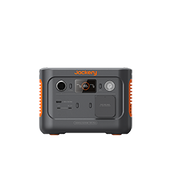
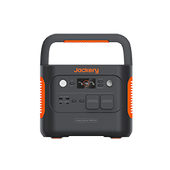
For spring hiking, the best choice is not always the biggest unit. It is the one that matches how you actually travel. The Jackery Explorer 300D and Jackery Explorer 100 Plus work well for that reason: both are designed for portability, but they suit slightly different hiking styles.
Jackery Explorer 300D
Spring hiking in Europe presents unique challenges: fluctuating temperatures (from sunny Alpine valleys to chilly mountain passes), the need for high-speed device charging for navigation/photography, and strict travel regulations if you are flying between countries. The 300D is the "Base Camp" powerhouse for hikers who need substantial energy but want to move fast and light.

Extreme Weight-to-Power Ratio: At only 2.5 kg, it provides 288Wh of capacity—equivalent to carrying roughly 9 standard power banks, but at a fraction of the total weight and bulk. It is 56% smaller than previous 300-series models.
The 2-in-1 "Handle-to-Cable": Its carrying handle is actually a detachable, heavy-duty 140W USB-C cable. On a hike, this means one less accessory to lose or tangle in your bag.
High Efficiency (DC-Only): Unlike standard stations that lose energy converting DC to AC, the 300D is optimized for direct DC output. This yields nearly 90% efficiency, giving you more actual charges for your drone, camera, and GPS than a standard power station of the same size.
Cold Resilience: Spring in Europe can still be freezing at higher elevations. The 300D is rated to discharge down to -15°C, ensuring your safety and navigation gear stays powered even during a sudden frost in the Pyrenees or Alps.
Silent Stealth: The fanless design (0 dB) is perfect for quiet European campsites or wild camping where you want to enjoy the sounds of nature without a buzzing machine.
Jackery Explorer 100 Plus
The 100 Plus is the "Agile Essential"—designed for those who prioritize maximum portability and international air travel.

Airline & Rail Approved: European budget airlines (like Ryanair or EasyJet) have strict 100Wh limits for batteries in carry-on luggage. At 99Wh, the 100 Plus is the largest Jackery unit you can legally take on a plane without prior airline approval.
Ultra-Portability: It weighs less than a kilogram (965g) and fits in the palm of your hand. It’s the perfect size for a day-pack during a spring trek through the Scottish Highlands or the Camino de Santiago.
Fast-Action Charging: Despite its tiny size, it supports 100W Dual PD charging. You can fully recharge the unit in just 1.8 hours from a car or 2 hours via solar, making it easy to "top up" during a lunch break at a mountain hut.
Rugged Durability: Spring hiking often involves wet or rocky terrain. The 100 Plus features Class 9 impact resistance and is drop-tested from nearly a meter, ensuring it survives accidental falls on rocky trails.
LiFePO4 Longevity: It uses the same high-end LFP chemistry as the larger units, offering 2,000 cycles to 80% capacity. It is built to be a long-term investment for your annual hiking trips.
|
Feature |
Explorer 300D |
Explorer 100 Plus |
|
Best For |
Multi-day hikes, photography, drones. |
Day hikes, air travel, emergency phone backup. |
|
Weight |
2.5 kg |
965 g |
|
Capacity |
288 Wh |
99 Wh |
|
Power Output |
300W (DC) |
128W (DC) |
|
Air Travel |
No Required |
Fully Approved (99Wh) |
FAQs
The following are frequently asked questions about the spring hikes in Europe.
1. When is the best time for spring hikes in Europe?
The best time usually falls between March and May, but it depends on the region. Southern Europe often feels ideal earlier in spring, while central and northern Europe are usually better from April to May. Higher mountain routes may still have snow well into late spring.
2. Are spring hikes in Europe suitable for beginners?
Yes, many spring hikes in Europe are beginner-friendly, especially coastal paths, vineyard walks, forest trails, and lake routes. The key is to choose a trail that matches your fitness level, the season, and current trail conditions rather than picking the most famous route.
3. What should I wear for spring hiking in Europe?
Layered clothing is usually the best choice. A breathable base layer, a warm mid-layer, and a waterproof outer layer help you stay comfortable as temperatures change through the day. Good hiking shoes or boots are also important because spring trails can be muddy or slippery.
4. Do I need a portable power station for spring hiking in Europe?
Not every hike requires one, but it can be very useful for longer outdoor days, road trips, or multi-stop hiking holidays. A compact option such as the Jackery Explorer 100 Plus works well for charging small personal devices, while the Jackery Explorer 300D is a better fit if you need more capacity and more charging flexibility.
Final Thoughts
Spring hiking in Europe brings together many of the things travellers want most: fresh scenery, cooler walking conditions, colourful landscapes, and routes that feel lively without always being overcrowded. From dramatic coastlines and river valleys to woodland paths and heritage trails, the season opens up a wide range of hiking experiences across the continent.
The key to a good spring hike is thoughtful preparation. Choosing the right route, checking conditions, dressing in layers, and packing the essentials all make a real difference when the weather can change from one hour to the next. For longer days outdoors or wider hiking trips across Europe, portable power, like Jackery Portable Power Station, can also be part of that preparation.


