



















Nordic vanlife is defined by a sharp contrast between breathtaking scenery and harsh logistics. The harsh realities of the North often catch aspiring travelers off guard. Temperatures frequently drop to -20°C even during shoulder seasons, and parking regulations are strictly enforced in tourist hotspots. This guide covers the legal feasibility of your trip, the critical systems needed for survival, and how to plan a route that balances adventure with safety.
Understanding the Nordic Landscape: Expectations vs. Reality
Why Choose the Nordics for Vanlife?
The Nordic countries offer access to some of Europe's most dramatic nature. From the deep fjords of Norway to the vast archipelagos of Sweden, the scenery is unmatched. The road infrastructure is generally excellent, allowing access to remote areas that feel untouched by modern life.
What Are the Challenges of Nordic Travel?
Travelers must temper their expectations with practical realities. Daylight hours in winter are incredibly short, sometimes lasting only a few hours in the far north. Ferries and road tolls are frequent and expensive expenses. Furthermore, popular tourist areas enforce strict rules to manage the influx of campers.
Country Comparison
|
Country |
Landscape & Features |
Key Challenges |
|
Norway |
Dramatic fjords, rugged terrain. Most scenic but highest costs. |
Strict "No Camping" rules in laybys; slow travel times; expensive tolls. |
|
Sweden |
Forest-heavy, vast archipelagos. Flatter and easier driving. |
Finding wild camping away from the coast is easier, but respect private land. |
|
Finland |
Thousands of lakes, vast wilderness. Strong "Everyman's Rights." |
Immense distances between towns; extreme winter cold in the north. |
|
Denmark |
Flat, agricultural terrain. Easy driving. |
Wild camping is generally prohibited; must use designated sites or shelters. |
Legal Realities: Vanlife Rules vs. Right to Roam
Does Allemansrätten Apply to Campervans?
The "Right to Roam" (Allemansrätten) applies only to non-motorized travel like hiking and tent camping. This legal concept grants the right to access uncultivated land, but it does not extend to vehicles. You cannot drive off-road to find a camping spot under this law.
Are There Restrictions on Off-Road Driving?
Driving off-road is strictly illegal in all Nordic countries to protect fragile ecosystems. Your vehicle must always remain on established roads or parking surfaces. Overnighting in vehicles is often restricted to designated areas, especially in national parks and nature reserves.
What Is the 150-Meter Rule?
You must stay at least 150 meters away from the nearest residence when wild camping where permitted. This 150-meter rule ensures privacy for locals and helps maintain a positive relationship between residents and campers.
Why Must You Watch for Signage?
"No Camping" signs are legally binding and increasingly common in popular tourist areas like Lofoten. Ignoring these signs leads to hefty fines and contributes to stricter regulations for the entire vanlife community.
How Can You Practice Good Etiquette?
Leave No Trace principles are non-negotiable in Scandinavia. Do not deploy awnings or set up camping furniture in public parking lots, as this is considered "camping" rather than "parking." Bury waste only where permitted and never leave toilet paper behind.
Critical Systems: Heating, Water, and Power
Surviving the Nordic climate requires robust vehicle systems. Standard European camper builds often fail when faced with Scandinavian extremes.
Managing Water and Waste in Freezing Conditions
- How Should You Handle Plumbing? Internal water tanks are necessary because external tanks will freeze rapidly in Nordic winters. Fresh and grey water tanks must be located inside the insulated cabin. If your tank is underslung, keep the drain valve open and place a bucket underneath, or risk the valve freezing shut.
- When Should You Use Heating Tape? Apply 12V heating tape to any unavoidable external pipes or valves. This tape prevents ice blockages that can burst pipes. Insulate these pipes heavily over the heating element to retain thermal energy.
- Is Water Readily Available? Tap water in the Nordics is excellent and potable. Most gas stations offer free water fill-ups. Use apps to locate verified fill points to ensure you never run dry in remote areas.

Power Management and Electrical Independence
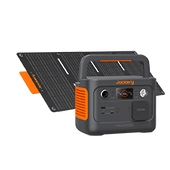
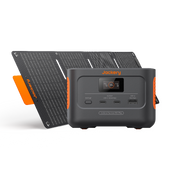
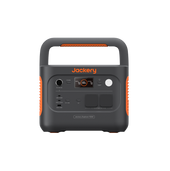
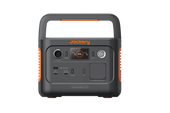
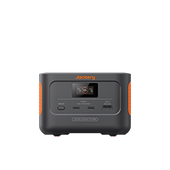
- Is Solar Power Enough? Solar yield is insufficient during Nordic winters due to the low sun angle and short daylight hours. You cannot rely solely on solar panels. A robust system relies on alternator charging while driving or shore power, and you can elevate your power needs with portable power stations for EU travelers to bridge the gap between campsites.
- Which Battery Chemistry Is Best? LiFePO4 (Lithium Iron Phosphate) batteries are superior to lead-acid for cold climates. These lithium units offer a longer lifespan, deeper discharge capabilities, and are safer. However, LiFePO4 batteries must be kept above freezing to charge, necessitating a heated battery environment.
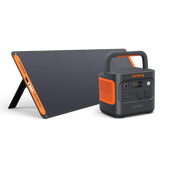
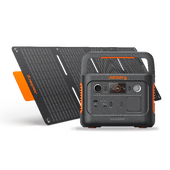
- How Do You Size Your System? Choosing the right power station depends on your travel style and electrical load. Read our guide on why should every Nordic household (and van) have a backup power generator? For further information on how to stay safe in remote areas of the Nordics.
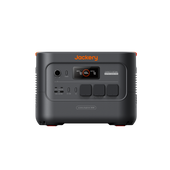
- Capacity: 1070Wh
- Output: High enough for standard appliances
- Charging: Emergency Super Charge (0-100% in 1 Hour)
- Best For: Standard van builds. The Explorer 1000 v2 balances size with power, capable of running laptops, diesel heaters, and small kitchen appliances. You can often check for off-grid power station deals to secure this unit.
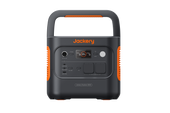
- Capacity: 2042Wh
- Output: Up to 2200W (supports high-wattage devices)
- Charging: Emergency Super Charge 0-100% in 1.33 Hours
- Best For: Full-time or off-grid living. Recognized as the best portable power station for camping and outdoor adventures in the EU, this unit supports high-wattage appliances like induction cooktops, hair dryers, and electric kettles.
Why is Fast Charging Necessary? Emergency Super Charge (0-100% in ~1 hour) is essential for vanlife. Quick pitstops allow you to charge your power station rapidly via AC wall outlets while showering or grocery shopping.
Insulation and Heating Strategies
- Why Is Insulation Critical? Insulation is the foundation of warmth; heating is useless without it. Prioritize high R-value materials like Armaflex or natural wool. Install a continuous vapor barrier to stop condensation from forming on the cold metal body, which leads to rust and mold.
- What Are the Best Heating Sources? Diesel heaters are the standard for vanlife in the Nordics. These heaters tap directly into the vehicle's fuel tank and provide dry, consistent heat. Wood stoves add ambiance but require insurance approval, significant space, and careful installation to be safe.
- How Do You Handle Thermal Bridges? Cover exposed metal areas like ribs and window frames with insulation or automotive carpet. Metal ribs act as thermal bridges, transferring cold into the van. Covering them prevents heat loss and stops moisture from dripping onto your bed or gear.
Logistics on the Road: Navigation and Budgeting
Finding Legal Overnight Spots
- Which Digital Tools Should You Use? Park4Night is the essential app for identifying legal parking spots. Rely on community-driven databases like Park4Night to find dump stations and water sources. Always read recent comments to check for closures or new restrictions.
- What Is the "Ställplats" System? The "Ställplats" (or Stellplatz) system in Sweden and Norway offers official motorhome stopovers. These designated spots are cheaper than campsites. They often provide electricity and waste disposal for a small fee, offering a legal and safe place to sleep.
- Are Campsites Necessary? Campsites are essential for winter travel despite the appeal of wild camping. These facilities provide access to shore power to recharge batteries and heated facilities for showering. In July, popular campsites fill up fast, so book ahead.
Driving and Safety
- What Are the Road Conditions Like? Nordic roads are often narrow, challenging, and subject to instant weather changes. Be ready for narrow fjord roads where two vehicles can barely pass. Single-lane bridges and tunnels are common, and a sunny drive can turn into a whiteout in minutes.
- Are There Wildlife Hazards? Moose (Elk) and reindeer pose a severe collision risk, particularly at dawn and dusk. Hitting a moose can total a vehicle and cause fatal injuries. Scan the roadsides constantly and reduce speed in forested areas.
- Do You Need Winter Tires? Winter tires are mandatory during the winter months in all Nordic countries. All-season tires are often insufficient for the ice and packed snow found in the north. Carry snow chains and practice putting them on before you leave home.
Managing High Costs
- How Can You Save on Food? Stock up at discount supermarkets like Rema 1000, Lidl, or Kiwi. Groceries are significantly more expensive than in southern Europe. Buying bulk dry goods before entering Norway can save a significant amount of money.
- How Do Tolls and Ferries Work? Register your vehicle for an AutoPASS tag or the relevant toll system beforehand. Road tolls and ferries are ubiquitous in Norway. Registration often grants discounts and ensures you don't receive fines or administrative fees by mail later.
- What Are the Rules for Alcohol? Alcohol sales are restricted to state-run liquor stores (Vinmonopolet in Norway, Systembolaget in Sweden). Alcohol is heavily taxed and regulated with limited opening hours. Strict purchase limits apply, so check customs regulations if bringing your own.
Planning Your Itinerary: Seasons and Routes
Choosing Your Season
|
Season |
Months |
Pros |
Cons |
|
Summer |
June-August |
Midnight Sun, mild weather, open roads. |
Peak crowds, full campsites, highest prices. |
|
Shoulder |
May/Sept |
Vibrant colors, fewer crowds, decent weather. |
Variable temperatures, some services closed. |
|
Winter |
Nov-March |
Northern Lights, Arctic silence, no crowds. |
24hr darkness, extreme cold, road closures. |
Suggested Route Concepts
- The Fjord Loop (Norway) The Fjord Loop focuses on Western Norway's iconic scenery. It offers world-class views but involves slow travel speeds and numerous ferries. It requires a significant budget for tolls and fuel but delivers the classic "Norway" experience.
- The Arctic Run (Finland/Norway) The Arctic Run involves driving north through Finland to reach Nordkapp, the northernmost point of Europe. This route requires reliable heating and redundant power systems. It is a journey of endurance and isolation, rewarding travelers with vast, empty wilderness.
- The Archipelago Hop (Sweden) The Archipelago Hop explores the coastal islands of West Sweden or the Stockholm archipelago. The terrain is easier for driving, and nature reserves are accessible. This route is excellent for those who enjoy kayaking, hiking, and a slower pace of travel.
Conclusion
Vanlife in the Nordics is a rewarding challenge that pushes travelers out of their comfort zones. Success relies on respecting local laws, managing your energy needs with reliable gear like the Jackery Explorer series, and preparing for weather extremes.
Start small by testing your rig and systems on shorter trips. Verify your insulation, check your heater, and ensure your battery capacity matches your lifestyle before attempting a full Arctic winter expedition.
Frequently Asked Questions
What specific permits are needed for longer stays?
Consult each country's immigration website for visa and residency requirements. For non-EU/EEA citizens, the Schengen 90/180-day rule generally applies.
How can I dispose of human waste responsibly?
Utilize designated dump stations or public toilets found at campsites and some gas stations. Never empty chemical toilets or grey water into nature or storm drains.
What are common mistakes first-time Nordic vanlifers make?
Travelers often underestimate the high daily costs of food and fuel. Many also fail to insulate their vans properly, leading to cold nights and condensation issues.
Can I rely on public transport for some legs of the journey?
Research local bus and train networks, especially for accessing city centers where parking is difficult. Most major Nordic cities have excellent park-and-ride facilities connected to public transit.


