



















From the majestic peaks of the Alps to the romantic coast of Brittany, motorhome camping offers a fantastic opportunity to connect with nature. However, a perfect cross-border trip requires meticulous planning.
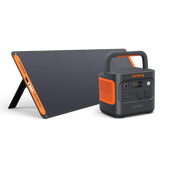
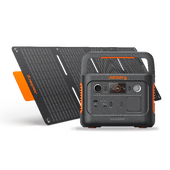
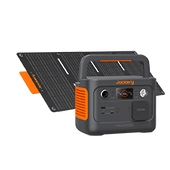
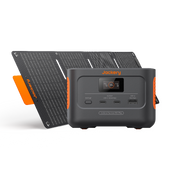
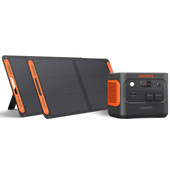
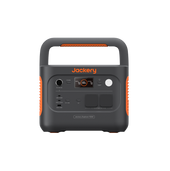
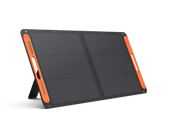
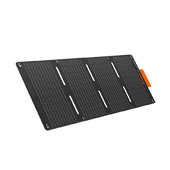
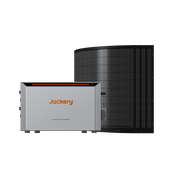
Beyond a passion for freedom, you'll need to understand local traffic regulations, choose suitable campsites, and ensure reliable energy support. We recommend using the Jackery Solar Generator 3000 v2 or Solar Generator 2000 v2 to ensure you enjoy the conveniences of modern living even in remote locations.
|
Key Takeaways: |
|
What Preparations Should I Make Before Motorhome Camping in Europe?
When planning a motorhome road trip, in addition to a desire for adventure, there are some other key factors to consider for the greatest possible experience. Plan these 5 essentials for a worry-free vacation.

Determine the Length of Time
Do you wish to take a short road trip along the coast for a spontaneous weekend? Or are you tired of ordinary life and eager for a longer cruise? A few days would not require much planning; however, for a longer road trip, we would strongly advise arranging some resemotorhomeations in advance to better manage the journey. The most popular destinations are frequently booked weeks in advance.
Choose a Travel Destination
To plan your road trip, you should have a general concept of which region you want to visit so that you can bring the essential materials. After all, it makes a significant difference whether you're driving to the mountains or the sea. If you are unable to reach at your intended location, you can just travel in a different route or explore the nature hidden in your own backyard.
Plan Your Route
Once you've decided on a location, you may start arranging your journey. This is necessary so that you can plan out gas stations, rest breaks, and campgrounds. When planning your trip, you should also consider the weather and terrain.
If possible, avoid highways and instead travel on backroads to enjoy the landscape. You'll want to explore the greatest natural areas along the way and schedule your stops accordingly.
Organise the Travel Fund
Determine your budget and plan how much you want to spend each day. Calculate your projected spending for petrol, tolls, campsites, and supermarket purchases - this will allow you to estimate your daily costs and tailor the travel time, route, or campsite selection to your budget. If you're going with friends, you can set up a travel fund to cover shared expenses along the route; everyone contributes the same amount, and then you go shopping with it.
Find the Right Motorhome for Your Adventure
Consider how comfortable you are and how much experience you have driving large vehicles. A more compact motorhome may be easier to drive and park.
In addition, smaller motorhomes may be less expensive and easier to drive. If you're an active vacationer who plans to spend time outdoors doing things like hiking, surfing, or biking, be sure the motorhome has enough storage space for your gear.
|
Important Documents When Renting a Motorhome |
|
|
Driving Licence |
A motorhome is not a car but with a normal B-driving licence you can rent many campers, unless otherwise described. |
|
Passport/ID |
Some rental companies may want to see proof of identity when you pick up the motorhome. |
|
Rental Confirmation |
Always have your rental confirmation digitally to hand. |
|
Insurance |
Always double check that your insurance and breakdown cover are valid in all the countries you plan to visit. |
Camping with Motorhome: Recommended Best Routes in Europe
As travelling by motorhome remains a popular vacation option, travellers are increasingly looking for routes that combine natural beauty, cultural depth, and practical comfort. Here are five of the best camping with motorhome routes in Europe:

1. German Alpine Road
- Start / Finish: Lindau / Berchtesgaden
- Length: 484 km
- Theme: Alpine panorama, culture, nature, driving experience
The German Alpine Road spans 484 km, offering breathtaking vistas of Lake Constance, stunning excursion locations like as Neuschwanstein Castle, and gigantic peaks such as the Zugspitze. Choose your resting spot from the countless parking spaces and you'll be right in nature. Stop at one of the authentic Bavarian inns. Try Bavarian delights, Allgäu cheese spaetzle, or crispy roast pig.
2. Sicily Round Trip
- Start / Finish: Messina - circular route
- Length: 1126 km
- Theme: History, architecture, volcanism, hiking, beaches
Sicily, which is closer to Libya than Milan, is ideal for soaking up the sun and a pleasant mood, especially in the spring and autumn. This appeals to many motorhome enthusiasts: cities thousands of years old with spectacular baroque palaces, historic temples, sandy beaches in beautiful bays, romantic fishing towns, quiet highland landscapes inland, and the bubbling and smoking volcano Mount Etna.
3. Austrian Romantic Road
- Start / finish: Salzburg / Wien
- Length: 495 km
- Theme: Art, culture, cuisine, nature, active
This route is ideal for individuals who see the travel as the ultimate goal. 14 historically significant locations are strung together like pearls on a string to form the "path for all the senses". Above all, the varied landscapes, cultural variety, and culinary delights of the Austrian Romantic Road entice you to return time and again. You will explore three UNESCO World Heritage regions, including Salzburg, Hallstatt, and the Wachau.
4. Brittany Road Trip
- Start / Finish: Pointe de Penvins / Mont Saint-Michel
- Length: 916 km / 569 miles
- Theme: Landscape, beaches, culinary, culture
Brittany is located in northwestern France and is made up of four departments: Ille-et-Vilaine (with Rennes as its headquarters), Morbihan, Finistère, and Côtes-d'Armor. The most magnificent portions of coastline include the Gulf of Morbihan, the Crozon Peninsula with the Armorique Regional Park, the Pink Granite Coast, and the Emerald Coast with Cap Fréhel and Saint-Malo. Fans of seafood, fresh sea breezes, and lovely coastal villages will immediately understand why Brittany is one of the most popular caravanning destinations.
5. Route of Rhine Romanticism
- Start / Finish: Cologne / Mainz and Wiesbaden
- Length: 360 km
- Theme: Rhine Romanticism, History and Culture, Architecture, Literature, Painting, Music
The Rhine Valley is one of Europe's most magnificent settings, with over 2,000 years of history and innumerable legends. The UNESCO World Heritage Upper Middle Rhine Valley has a particularly unusual backdrop: numerous legends revolve around one of Germany's most famous rocks, the Loreley Rock. Steep slopes, which are occasionally utilised for winegrowing, beckon you to daydream and take a walk.
Packing Checklist for a Motorhome Camping Trip in Europe
While choosing a camping with motorhome holiday in Europe is an experience you’ll never forget, it should be treated with the necessary precaution, with there being plenty of kit you’ll need for a comfortable trip. While packing your bags and the boot of your motorhome, make sure you include this list of essentials (part):

Core Documents and Files
When traveling across borders in Europe, complete documentation is crucial:
- Passport: Ensure it's valid for at least 6 months. Bring your visa if needed.
- Driver's License: Valid motorhome driver's license and International Driving Permit (IDP).
- Vehicle Rental Agreement and Insurance Policy: Includes insurance coverage and emergency contact numbers.
- Green Card: If you plan to travel to non-EU countries (such as Bosnia, Serbia, etc.), confirm your vehicle insurance covers these regions.
Camping Equipment and Supplies
While there are campsites along the way, they don't necessarily have complete facilities, so it's best to bring the following:
- Folding Table and Chairs: The soul of European camping, used for enjoying the sunshine outdoors.
- Basic Cooking Utensils: Frying pan, small saucepan, durable tableware, cutting board.
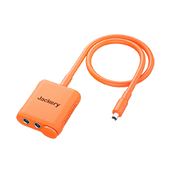
- Jackery Solar Generator: With limited battery capacity in the motorhome, carrying a Jackery Solar Generator 2000 v2/3000 v2 can power laptops, drones, cameras, or portable coffee makers.
Clothing and Personal Items
Most importantly, prepare personal clothing and items according to the weather:
- Layered Clothing: European weather is changeable, so layering is recommended, including a windproof and waterproof jacket.
- Personal Toiletries Kit: Includes eco-friendly shampoo and shower gel.
- First Aid Kit: Includes painkillers, sunscreen, insect repellent, and personal medications.
Safety and Maintenance Tools
For safety while camping with a motorhome, the following equipment and items are necessary:
- Reflective Vest and Warning Triangle: Mandatory by law in many European countries.
- Leveling Ramps: Ensure the motorhome can be parked level on uneven ground.
- Tool Kit: Contains multi-tool pliers, duct tape, and cable ties.
- Offline Map: Extremely useful in areas with poor signal, such as mountainous terrain.
|
Packing Checklist for a Motorhome Camping Trip in Europe |
|
|
Core Documents and Files |
Passport Driver's License Vehicle Rental Agreement and Insurance Policy Green Card Campsite Booking Confirmation Personal Travel Insurance Policy |
|
Camping Equipment and Supplies |
Folding Table and Chairs Frying pan Small saucepan Durable tableware Cutting board Food (Pasta, canned goods etc.) Seasonings Headlamp or camping light Jackery Solar Generator 2000 v2/3000 v2 Garbage bags |
|
Clothing and Personal Items |
1 windproof and waterproof jacket 1 fleece jacket or lightweight down jacket 2-3 tops 2-3 pairs of pants 2-3 sets of underwear 2-3 pairs of socks Personal toiletries kit First aid kit Hiking shoes/sports shoes Earplugs Eye mask |
|
Safety and Maintenance Tools |
Reflective vest Warning triangle Leveling ramps: Tool kit Offline map |
This list is for reference only. Please add or remove items and equipment according to your actual needs.
Jackery Solar Generators: Green Electricity Guarantee for Motorhome Camping Trips in Europe
On a camping trip with motorhomes in Europe, electrical freedom is key to enhancing well-being. Whether parked in a tranquil campsite at the foot of the Alps or traversing the wild roads of southern France, embracing quiet, clean, green energy instead of relying on campground power and traditional diesel generators has become a new trend in modern motorhome travel.
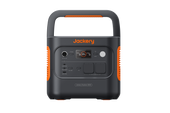
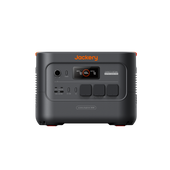
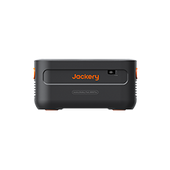
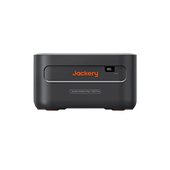
An efficient and reliable solar power system can give you true electrical freedom in the forests, lakesides, or valleys of Europe. Addressing the dual needs of motorhome users for large capacity and portability, we highly recommend two flagship solar generators: the Jackery Solar Generator 3000 v2 and the Jackery Solar Generator 2000 v2.
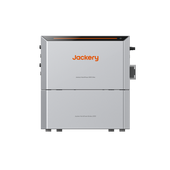
Jackery Solar Generator 3000 v2
This product boasts a massive capacity of 3072Wh and a rated output power of 3600W (peak up to 7200W), designed for serious motorhome enthusiasts who need to be off-grid for extended periods and have high-powered appliances.

Ultra-Lightweight Design for More Efficient Space Utilization
Compared to similar 3kWh products in the industry, the 3000 v2 achieves remarkable size and weight optimization—reducing volume by approximately 47% and weight by 43% (approximately 27kg).
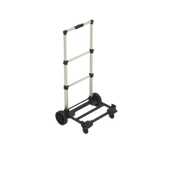
For motorhomes where interior space is extremely limited, this smaller size means easier storage in the storage compartment or under the bed, and even a single person can easily move it using the folding rod and industrial-grade wheels.
Versatile Power Hub, Compatible with 99% of Appliances
Its powerful 3600W output ensures you don't have to choose between an Americano coffee maker and a hairdryer.
It can power not only the motorhome's air conditioner and microwave, but its 20ms ultra-fast UPS switching function also provides backup for a mobile workspace; even if the campsite experiences a sudden power outage, your sensitive electronic devices (such as computers) will continue to operate seamlessly without disconnection or restart.
High-Efficiency Solar Recharge, Embracing Green Energy
Equipped with Jackery SolarSaga high-efficiency solar panels, the 3000 v2 can fully utilise the abundant summer sunshine in Europe.
Under ideal lighting conditions (maximum solar input power: 1000W), it only takes about 3.5 hours to fully recharge, completely eliminating "range anxiety" for your motorhome travel and achieving truly carbon-neutral green travel.
Long Lifespan and All-Weather Durability
Utilizing high-grade LiFePO4 (lithium iron phosphate) batteries, it boasts a cycle life exceeding 4000 cycles, meaning it can last for over 10 years even with daily charge-discharge cycles. Furthermore, it supports discharge environments as low as -15°C, providing stable energy output whether skiing and camping in the Alps or under the scorching sun of the Mediterranean.
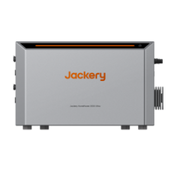
Jackery Solar Generator 2000 v2
If you prioritise high mobility while also needing to support most everyday appliances (such as refrigerators and projectors), the 2042Wh capacity and 2200W output power of the 2000 v2 offer a more cost-effective "all-rounder."

Golden Capacity Ratio, Effortless Single-Person Carrying
The 2000 v2 also uses lithium iron phosphate cells with a capacity of 2042Wh, but employs advanced electric vehicle-grade CTB structure technology, weighing only about 17.5kg. In addition, it features a foldable handle, making it easy to lift with one hand. This portability is a huge advantage for motorhome travelers who frequently need to change campsites or even carry power supplies for lakeside picnics.
Powerful Output and Quiet Operation
Despite its moderate size, it still provides 2200W (peak 4400W) of output power, sufficient to handle over 90% of common electrical appliances.
More importantly, it operates extremely quietly (charging noise ≤30dB; discharging noise is also kept to a minimum—42dB AC, 30dB DC), so even when placed in the car at night to power a refrigerator, it will not disturb sleep at all.
ChargeShield 2.0 Technology: Fast and Safe
With Next-Gen ChargeShield 2.0, the 2000 v2 supports multiple fast charging modes. A full charge via AC power takes only 1.7 hours. A full charge (0%-100%) can be easily activated via a smart app. Stable charging is possible even in high temperatures up to 45°C, and 12 layers of BMS safety protection ensure absolute battery safety during bumpy motorhome journeys.
Smart App Remote Control
Through the Jackery App, you can view the 2000 v2's remaining battery power, real-time power output, and estimated charging time in real time via Bluetooth or Wi-Fi. While resting at campsites, you can simply sit under a parasol outside the vehicle and switch or control various ports via your phone – extremely convenient and easy.
Where Can I Camp During a Motorhome Trip in Europe?
Whether you drive a motorhome, full-size motorhome, or any other motorhome, you will discover lots of comfortable and secure places to park for the night. The following are campsites to choose from during a camping with a motorhome trip in Europe:
Campgrounds and Holiday Parks
These licensed parks welcome rigs of all sizes and offer water and power connections, showers, and, in many cases, fresh bread at morning. During peak summer, from late June to August, it is best to resemotorhomee through sites like camping.Info about Eurocampings. Throughout the rest of the year, you can usually turn up, smile, and get a spot for between 15 and 35 euros each night.
Motorhome Semotorhomeice Areas
France's aires de semotorhomeice, Germany's Stellplätze, and Italy's aree di sosta all refer to low-cost municipal lots designed specifically for motorhomes. You can expect a level parking space, a fresh water tap, a garbage disposal area, and, on occasion, electricity. However, if you carry a Jackery Solar Generator 3000 v2 or Solar Generator 2000 v2, you won't have to worry about power.
Look for brown signage with a white motorhome emblem, or use the Park4Night or CamperContact apps to locate them.

Wild Camping-Friendly Zones
Norway, Sweden, and Finland have embraced the Right. This tradition allows you to spend one night on uncultivated property at least 150 meters from the next habitation. Scotland and portions of Ireland also allow roadside overnight stays providing you pull well off the route and maintain the area clean. Southern Europe's laws tighten, so double-check local ordinances before setting up.
Farms, Vineyards & Rural Welcomes
France Passion, Landvergnügen in Germany, and Agricamper Italia allow you to park at farms and wineries throughout Europe. Facilities are frequently limited, consisting of a single flat pitch. You must join the network (about 35€ per year), call ahead if necessary, and arrive before evening.
Best Tips for Motorhome Camping Trip in Europe
Regardless of which route you take for your motorhome camping vacation, the following practical ideas can help make the journey go more smoothly.
Vignettes and Toll Payments
Vignettes are pre-paid stickers required for road use in Austria, Slovenia, Sweden, and Hungary. They are readily available online, at border crossings, and at petrol stations. Tolls in France, Italy, Spain, Greece, and Norway are often paid at toll booths, some with electronic systems.
Learn about Low Emission Zones (LEZs) in advance
Several European cities have implemented LEZs to enhance air quality. These zones limit entry to high-emission automobiles. Before approaching city centers, make sure your car meets municipal criteria.
Strictly Adhere to Speed Limits in Each Country
Speed limits differ between European countries. To avoid costly fines when entering a new nation, always pay attention to speed signs at border crossings. The following are the speed restrictions for motorhomes with a gross vehicle weight over 3,500 kg in certain typical European countries:
|
Country |
Highway Speed Limits |
Two-lane Highway Speed Limits |
Regular Road Speed Limits |
Urban Speed Limit |
|
France |
130 km/h (80 mph) |
110 km/h (68 mph) |
80 km/h (50 mph) |
50 km/h (30 mph) |
|
Ireland |
120 km/h (75 mph) |
100 km/h (62 mph) |
50 km/h (30 mph) |
50 km/h (30 mph) |
|
Italy |
100 km/h (62 mph) |
80 km/h (50 mph) |
80 km/h (50 mph) |
50 km/h (30 mph) |
|
Norway |
100 km/h (62 mph) |
90 km/h (55 mph) |
50 km/h (30 mph) |
30 km/h (18 mph) |
(Source: spinney)
Mandatory Rest Stops
Motorhome drivers tire more easily than those in cars. It's best to rest every two hours and arrive at the next campsite before 2 PM. This ensures you have ample time to handle errands like refilling water and emptying waste.
Prepare Small Amounts of Euro Cash
While electronic payments are widespread in Europe, some remote village campsites or coin-operated water stations still require €1 or €2 coins. Additionally, prepare a credit card that doesn't charge cross-border fees for transactions in different currencies.
Prevent Theft
When leaving your vehicle, do not leave any valuables on the dashboard or seats. At night, it's recommended to store valuables and equipment in a concealed location inside the vehicle, not near visible windows. If possible, install an additional sensor alarm.
Environmentally Friendly Waste Disposal
Never discharge grey water (domestic wastewater) or black water (toilet wastewater) outside designated areas. When disposing of waste at campsites, it's recommended to use biodegradable chemical wastewater treatment agents. Always leave no trace.
FAQs
The following are the frequently asked questions about the camping with motorhome in Europe:
1. What if the motorhome's battery isn't enough?
The motorhome's built-in auxiliary battery is typically just sufficient to power the lighting and water pump. However, it is recommended that you install a Jackery Solar Generator 3000 v2 or Solar Generator 2000 v2. It does not use the motorhome's original electrical system but can charge your computer, electric kettle, and drone.
2. Can I sleep at a highway rest area?
When travelling on major European routes, semotorhomeice stations often allow for a single overnight stop. Select a well-lit corner, lock up, and hit the pillow. Patrols and CCTV provide protection, cafés sell morning espresso, and you can go back on the road refreshed.
3. What is the most forgotten item when camping?
Here are some items or gear that are most easily forgotten when camping. Please check them one last time before you set off: Garbage bags, Mosquito repellent spray, Sunscreen, Spare socks.
4. What are the 10 camping essentials?
Here are the 10 categories (and examples) you should always check before heading out:
Navigation (GPS device or offline map)
Illumination (Headlamp or bright flashlight)
Sun Protection (Sunscreen)
First Aid (First aid kit)
Repair Kit & Tools (Multi-tool or sturdy folding knife)
Fire (Lighter or moisture-proof matches)
Emergency Shelter (Emergency blanket)
Power Supply (Jackery Solar Generator 3000 v2 or Solar Generator 2000 v2)
Hydration (Extra Water)
Insulation (Extra Clothes)
Final Thoughts
With the detailed planning and suggestions in this article, you should now have a clear blueprint for your European motorhome camping trip. From rigorous document preparation to smart route selection, every detail will translate into a sense of security and happiness during your journey. While enjoying this freedom, remember to always adhere to the environmental principle of "Leave No Trace" camping, protecting the natural landscapes that captivate us.
At the same time, say goodbye to power anxiety with efficient and green energy solutions like the Jackery Solar Generator 3000 v2 or Solar Generator 2000 v2.


