













The phrase SHTF is often used to describe moments when normal life no longer feels normal. It can refer to war, blackouts, pandemics, natural disasters, or any serious disruption that affects safety, power, food, transport, and communication.
In Europe, this topic has become more relevant in recent years as households have faced energy shocks, climate-related disasters, and growing concerns around wider security. A good SHTF plan is really about resilience: knowing which risks matter, preparing your home for short-term disruption, and ensuring your family can cope when essential systems are under pressure.
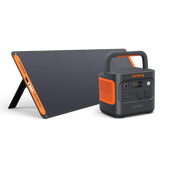
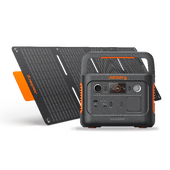
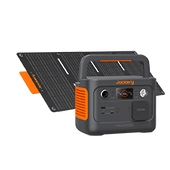
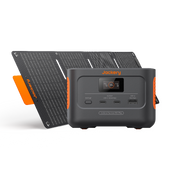
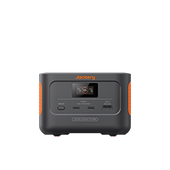
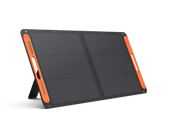
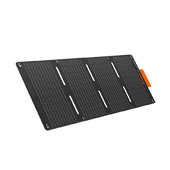
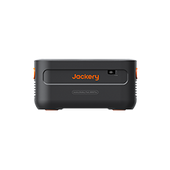
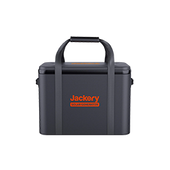
Also, you should consider including a reliable backup power source, such as the Jackery Solar Generator, for modern emergency planning.
|
Key Takeaways: |
|
What Does SHTF Mean?
SHTF stands for “Shit Hits The Fan.” It is a slang term people use to describe a serious crisis that suddenly disrupts normal life. In practical terms, it usually refers to situations such as war, major blackouts, fuel shortages, supply-chain problems, civil unrest, cyberattacks, or other emergencies that make everyday essentials harder to access.
In preparedness content, SHTF does not always mean complete social collapse. More often, it describes a period when daily systems become unreliable and people need backup plans for power, heating, food, transport, communication, or cash access. That is why the phrase is often linked to emergency kits, home energy backup, and self-reliance.
For Europe, the term has felt more relevant in recent years because energy security has become a real public concern. Russia's full-scale war against Ukraine disrupted global markets and pushed EU energy prices sharply higher, while also forcing Europe to reduce its dependence on Russian fuel. The European Commission says the EU's dependency on Russian gas fell from 45% of imports at the start of the war to 12% in 2025, and Russian oil imports dropped from 27% in early 2022 to around 2%.
At the same time, Middle East conflict and tensions involving Iran and the Strait of Hormuz have added another layer of uncertainty to global energy markets. For European households, this background matters because an SHTF scenario is not just a movie-style disaster.
It can look much more ordinary at first: higher electricity bills, fuel volatility, delayed deliveries, local power interruptions, pressure on heating costs, or concern about energy supply during winter.
Common Scenarios of SHTF
When people talk about SHTF, they are usually not describing one single kind of emergency. The term covers a wide range of situations where normal systems stop working properly and daily life becomes harder to manage. In Europe, that can mean anything from war-driven energy shocks to pandemic disruption, major flooding, wildfire seasons, or large-scale power failures.

War and Geopolitical Conflict
Armed conflict can trigger much more than military risk. It can disrupt fuel supply, raise gas and electricity prices, damage trade routes, and create broader economic instability. For Europe, Russia's war against Ukraine is the clearest recent example, especially because it forced the EU to rapidly reduce its dependence on Russian fossil fuels. More recently, tensions and war linked to Iran and the Strait of Hormuz have added further pressure to global oil and gas markets.
Pandemics and Public Health Emergencies
A pandemic can overwhelm hospitals, interrupt travel, slow supply chains, and change how businesses, schools, and public services operate. COVID-19 showed how quickly a health crisis can become a wider social and economic emergency across Europe. WHO Europe says more than 2 million people in the European Region have died since the pandemic began.
Natural Disasters
Floods, heatwaves, droughts, storms, and wildfires are increasingly serious risks in Europe. These events can damage homes, roads, railways, crops, energy infrastructure, and water systems. The European Environment Agency notes that Europe is the fastest-warming continent and that extreme weather events are increasing in frequency and impact.
Power Outages and Grid Failures
Electricity problems are one of the most practical SHTF scenarios because they affect nearly everything at once: lighting, refrigeration, heating systems, card payments, internet access, transport, and charging for phones or medical devices. Even a short blackout can quickly become a serious problem for households and businesses. Europe has already seen how disruptive a major regional outage can be.
Supply-Chain and Cost-of-Living Shocks
Not every SHTF event begins with a dramatic disaster. Sometimes it starts with shortages, delays, rising bills, or limited access to fuel and essentials. Energy market instability after the Ukraine war is a strong example of how international events can create pressure inside ordinary European homes.
Five Major Real-World SHTF Events in Europe
These examples show why SHTF planning in Europe is not just about extreme survival scenarios. In reality, it often means being ready for the kinds of disruption that have already happened: energy shocks, health emergencies, climate disasters, and sudden infrastructure failures.
1. Russia's War Against Ukraine and Europe's Energy Shock
Russia's full-scale invasion of Ukraine in 2022 became one of the most important SHTF-style events for Europe because it exposed how vulnerable the region was to imported fossil fuels. In response, the EU launched REPowerEU to cut dependence on Russian energy.
2. COVID-19 Across Europe
COVID-19 remains one of the clearest modern examples of an SHTF scenario. It affected healthcare systems, border controls, work, education, tourism, and supply chains all at once.
3. The 2024 Floods in Spain and Central Europe
Flooding has become one of Europe's most damaging disaster risks. The EEA says around two million people across Central Europe were affected by severe flooding in September 2024. In Spain, the European Commission's civil protection update on the October 2024 Valencia floods reported 224 deaths and 13 people still missing at the time of publication.
4. Europe's Escalating Wildfire Seasons
Wildfires are no longer only a southern Europe issue. The EU's Joint Research Centre says the 2025 wildfire season ended with 1,034,552 hectares burned across the European Union, while its December 2025 update said the year was on track to be the worst since EFFIS records began.
5. The Spain–Portugal Blackout of April 2025
Large-scale blackouts are another realistic SHTF example because they immediately affect transport, communications, fuel stations, food storage, and daily routines. Reuters reported that Spain and Portugal restored power after what authorities described as the worst blackout in their history in April 2025.
How to Build Your SHTF Survival Plan?
A good SHTF survival plan is not about trying to predict one perfect disaster scenario. It is about building a system that still works when normal services do not. In Europe, that could mean a winter power cut, severe flooding, wildfire smoke, transport disruption, cyber-related outages, or a wider energy shock.

Basic Preparedness for SHTF
The following are the basic preparedness for SHTF:
- Build a 72-hour Emergency Foundation
Start with the basics. Every household should have enough water, food, medicine, lighting, hygiene supplies, copies of important documents, and simple backup power options to stay functional for at least three days.
- Learn Basic Survival Skills
Supplies matter, but skills often matter more. Useful SHTF basics include knowing how to purify or safely store water, use a first-aid kit, cook without mains power, stay warm in a cold home, shut off utilities if needed, and manage food safely during a blackout.
- Prepare Your Home to Function Under Stress
A survival plan works best when your home is already organised for disruption. That means knowing where torches are, keeping power banks charged, storing batteries in one place, checking heating alternatives, and having a backup way to boil water or prepare simple meals. A portable power solution, such as Jackery Solar Generator, can also be useful here, especially for charging phones, keeping lights on, powering routers for a while, or supporting small essentials during short outages.
- Create a Go-Bag and a Stay-at-Home Kit
It helps to prepare for both possibilities: staying put and leaving quickly. UK local emergency guidance recommends having a larger kit for sheltering in place and a lighter one for evacuation.
In other words, do not build only one bag and assume it covers everything. An at-home kit can be more complete and comfort-focused, while a grab bag should be portable, simple, and ready to move.
- Organise Communication and Information Access
In a crisis, confusion spreads faster than facts. Keep emergency contacts written down on paper, make sure everyone in the household knows who to call, and decide how you will check updates if mobile networks are weak or overloaded.
- Practise Psychological Preparedness
Mental readiness is often overlooked, but it is a major part of resilience. The IFRC notes that emergencies often expose people to distress, loss, and uncertainty, and support can range from basic psychological first aid to more specialised care.
On a household level, psychological preparedness means staying calm, keeping routines where possible, reducing panic-driven decisions, and making sure children, elderly relatives, and vulnerable family members feel informed and supported.
Key Considerations When Building Your SHTF Plan
The following are the key considerations for SHTF:
- Bugging in vs Bugging Out
One of the first questions in any SHTF plan is whether you are more likely to bug in or bug out. In most European emergencies, staying at home is often the more realistic option, especially if your home is safe, stocked, and structurally sound.
Bugging out becomes more relevant when authorities order evacuation, when flooding or wildfire threatens your area, or when your home becomes unsafe due to damage, contamination, or prolonged loss of critical services.
- Your Location Changes Your Risk Profile
A city flat, a suburban house, and a rural property all come with different strengths and vulnerabilities. Urban households may face denser populations, payment disruption, and transport pressure.
Rural households may have more space and independence, but longer distances to services and slower support. Flood zones, wildfire-prone regions, storm exposure, and winter heating dependence should all shape your plan. The best survival plan is always local, not generic.
- Household Needs Are Not All the Same
A single adult, a family with young children, a person with mobility needs, and a household with pets require different planning. Medicines, infant supplies, pet food, mobility equipment, glasses, hearing aid batteries, and special dietary needs should be built into the plan from the start.
- Power, Heating, and Communication Are Often the First Pressure Points
In many European crises, the biggest early problems are not dramatic survival scenarios but practical failures: no light, no heating, no charged phones, no internet, and limited access to payment systems.
That is why energy resilience matters so much in an SHTF plan. Even modest backup power, lighting, and charging capacity can make the first 24 to 72 hours far more manageable.
- Misinformation Is Part of the Risk
Preparedness is not only about physical supplies. The European Commission's preparedness strategy also highlights the need for strategic communication and countering information manipulation. In real terms, this means relying on trusted sources, avoiding panic-sharing rumours, and agreeing in advance which official channels your household will follow.
Main SHTF Strategies
The following are the main strategies for SHTF:
- Make Your Plan Simple Enough to Use Under Stress
The best emergency plan is one people can remember. Keep it practical: where the kit is, who collects the documents, who checks on relatives, where to meet if communication fails, and what your first three steps are in a blackout, evacuation, or severe weather warning.
- Use Layered Preparedness
Think in layers rather than one giant stockpile. Layer one is your everyday readiness: charged phones, torches, some cash, and basic food. Layer two is your 72-hour household kit. Layer three is longer resilience, such as extra water, more food, alternative cooking, and backup power.
- Plan for Navigation without Relying Fully on Apps
Navigation is easy to ignore until digital systems stop being convenient. Keep offline maps downloaded, know a few local routes by memory, and store at least one printed map if your area is vulnerable to storms, flooding, or evacuation risk. If you ever need to leave quickly, local road knowledge can be more useful than a phone app with a dying battery.
- Have Clear Signalling and Communication Rules
If family members become separated, confusion can waste valuable time. Decide where to meet, which person outside the area can act as a contact point, and how long to wait before changing locations. Even small communication rules reduce panic.
- Train for Realistic Situations, Not Fantasy Ones
You do not need to rehearse for every imaginable collapse scenario. Instead, practise likely problems: a 12-hour blackout, a local flood warning, losing mobile service for a day, needing to leave home in 15 minutes, or coping without supermarkets for a weekend.
- Review and Update the Plan Regularly
Preparedness is not a one-time task. Medicines expire, batteries drain, documents change, and households evolve. Review your plan every few months and after any real disruption, even a minor one. A short blackout, storm alert, or local travel disruption is often the best reminder of what still needs improving.
SHTF Survival Kit
Across Europe, emergency preparedness is no longer treated as a niche hobby. Governments are openly encouraging households to become more self-reliant for the first 72 hours of a crisis, whether that crisis is caused by war, cyber disruption, extreme weather, or a major power outage.
That wider shift helps explain why the idea of an SHTF survival kit now feels much more practical in a European context. It is not about panic buying or building a bunker in the garden.

How European Countries Are Preparing for Emergencies
Several European countries have already moved from general advice to very visible public preparedness measures.
Germany has been working on plans to expand civilian shelter capacity, including converting basements, underground car parks, and metro stations into emergency shelters. Reuters also reported that Germany is planning a special app to help civilians locate the nearest bunker in the event of an attack.
Sweden sent a national brochure titled In case of crisis or war to households in 2024. The Swedish Civil Defence and Resilience Agency states that the brochure explains how people should prepare and act during serious crises or war, and Reuters described it as Sweden's second such public campaign since the Cold War era.
Finland has expanded its public guidance through the national preparedness platform 72tuntia.fi and the official Preparing for incidents and crises guide. Finland's official guidance says households should be able to cope independently for at least three days, and in February 2025 the Finnish Ministry of the Interior said the preparedness guide had already accumulated around half a million visits.
Detailed SHTF Survival Kit Checklist
A good SHTF survival kit should help you manage the most likely early problems in a crisis: lack of water, food disruption, no light, no reliable communication, no heating or cooking, and no easy access to shops or payment systems.
Water and Hydration
Water should always come first because it becomes critical very quickly in any disruption.
- Bottled drinking water
- Clean containers or buckets for storing extra water
- Water for pets
- Electrolyte sachets if useful for your household
- A simple way to boil water if needed
Food and Basic Nutrition
Choose food that is easy to store, easy to prepare, and familiar to the household.
- Tinned food
- Dry foods such as pasta, rice, oats, crackers, and cereal
- Ready-to-eat meal
- High-energy snacks
- Baby food if needed
- Pet food
- Manual can opener
- Simple cooking items
The Finnish 72-hour checklist specifically recommends easy-to-prepare food suitable for all family members, along with food and water for pets.
Communication and Information
Reliable information matters just as much as physical supplies.
- Written list of emergency contacts
- Fully charged mobile phones
- Power backup for phones
- Battery radio for news updates
- Printed local maps
- Offline copies of key instructions or evacuation details
Both Finnish and wider EU preparedness guidance stress the importance of knowing where to get reliable information during a disruption.
Lighting and Power
Loss of electricity is one of the most common first-stage problems in an SHTF situation.
- Battery-powered torch
- Spare batteries
- Battery-powered radio
- Charged power banks
- Charging cables
- Solar or rechargeable lighting if available
A Jackery Solar Generator fits naturally into this part of the kit because it can provide a more dependable backup power source for essentials during emergencies. It can help keep phones charged, power lights, support small devices, and reduce the stress that comes with losing mains electricity.

First Aid and Medicines
Health issues become harder to manage during disruption, so this category deserves proper attention.
- First-aid kit
- Essential prescription medicines
- Pain relief
- Allergy medication
- Personal medical items
- Glasses or contact lens supplies
- Basic wound care items
- Thermometer
- Iodine tablets where officially advised
Hygiene and Sanitation
When water supply, rubbish collection, or normal washing routines are disrupted, hygiene becomes much more important.
- Toilet paper
- Wet wipes
- Hand sanitiser
- Soap
- Toothbrushes and toothpaste
- Sanitary products
- Nappies if needed
- Plastic bags for waste
- Cleaning cloths
These items also appear in Finland's official preparedness supplies material, which includes toilet paper, plastic bags, and hygiene products such as wet wipes and hand sanitiser.
Warmth and Shelter Support
Many European emergencies are cold-weather emergencies, especially during autumn and winter.
- Blankets
- Sleeping bags
- Warm clothing layers
- Waterproof outerwear
- Hats and gloves
- Emergency foil blankets
- Firewood if your home has a fireplace or stove
Coping in a home that may get colder and colder during a disruption, which makes warmth planning especially relevant in northern and central Europe.
Documents, Cash, and Personal Essentials
Digital systems do not always stay reliable during a major disruption.
- Cash in small notes
- Photocopies of ID and key documents
- Insurance details
- Emergency contact sheet
- Spare house and car keys
- Important phone numbers written on paper
Safety and Household Tools
A few simple tools can make a major difference in a crisis.
- Smoke alarm
- Fire blanket
- Hand-held extinguisher
- Multi-tool or basic toolkit
- Duct tape
- Matches or lighter
- Portable stove and fuel
- Whistle
Special Items for Family, Pets, or Vulnerable People
Every kit should match the actual people living in the home.
- Baby supplies
- Mobility aids
- Hearing aid batteries
- Special dietary food
- Comfort items for children
- Extra pet supplies
- Backup items for elderly relatives
The clearest lesson from Germany, Sweden, Finland, and the EU is simple: emergency readiness is no longer fringe thinking. It is becoming mainstream household planning.
A strong SHTF survival kit does not need to be extreme. It just needs to be realistic, organised, and matched to the risks your household is most likely to face.
Jackery Solar Generators for Emergencies
When an emergency happens, power often becomes one of the first things people worry about. A phone battery drops faster than expected, lights stop working, internet access becomes unstable, and small household essentials suddenly feel much more important.
That is why many European households now look at portable backup power as part of their wider emergency planning. In that context, a Jackery Solar Generator is a practical option because it helps cover one of the biggest weak points in any crisis: reliable access to electricity.
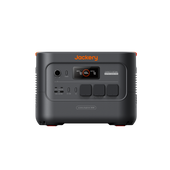
Jackery Solar Generator 2000 v2
In Europe, the Jackery Solar Generator 2000 v2 is widely considered the most effective "Go-Bag" power solution for SHTF (Survival/Social Collapse) and long-term emergencies. While larger systems exist, the 2000 v2 is specifically engineered for speed, stealth, and durability—the three pillars of survival.

Rapid "Energy Scavenging" (1.33-Hour Charge)
In an SHTF scenario, the power grid may only be active for short, unpredictable bursts. You need a unit that can "scavenge" a massive amount of energy quickly. Using the Jackery app, you can trigger a 0–100% charge in just 1.33 hours (80 minutes) from a standard European 230V outlet.
This allows you to fully replenish 2kWh of power (enough to run a fridge for over 24 hours) during a very brief window of grid availability or while using a friend's working generator.
Built for Seismic Events and Rough Transport
Disasters in Europe—whether floods, earthquakes, or civil unrest—often require moving gear across debris or in packed vehicles.
The 2000 v2 is certified to the IEC60068-3-3 seismic standard, meaning it is built to survive a Magnitude 9.0 earthquake and remain functional.
Cell-to-Body (CTB) Tech: The internal batteries are integrated directly into the chassis, creating a "roll cage" effect that makes it far more drop-resistant than older, bulkier models.
Maximum Shelf-Life (Emergency Readiness)
A backup battery is useless if it's dead when you pull it out of the cupboard during a blackout.
1-Year Charge Retention: The 2000 v2 features advanced low self-discharge technology that retains 95% of its charge after a full year of sitting idle. You can store it in your cellar or "go-closet" and trust it will work the moment you need it.
LiFePO4 Chemistry: Rated for 4,000+ cycles, this unit can be used daily for 10+ years. In a multi-year SHTF scenario, this longevity is a life-critical asset.
Stealth & Indoor Survival
In many emergency situations, running a loud, smelly gas generator is a security risk.Silent Operation (≤30dB): When charging in "Quiet Mode," the unit is quieter than a refrigerator's hum. You can power your essentials inside a small apartment or hidden shelter without alerting others to your location.Zero Emissions: It is 100% safe to run indoors to power medical devices (CPAP), communication gear, or a small induction hob for cooking without the risk of carbon monoxide poisoning.
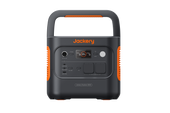
Jackery Solar Generator 1000 v2
The Jackery Solar Generator 1000 v2 is widely regarded as the "Preparedness Sweet Spot" in Europe. While the 2000 v2 is for heavy-duty survival, the 1000 v2 offers a more balanced, agile solution that is easier to move, hide, and manage in tight European living spaces or small vehicles.

Ultra-Fast "Window" Charging (1 Hour)
In a true emergency, you may only have a very short window of access to a working grid or a neighbor's generator. Using the Jackery app, you can fully recharge the 1000 v2 in just 1 hour.
This is significantly faster than previous generations and many competitors. It allows you to "scavenge" a full 1070Wh of energy—enough to keep a family's communication devices and a small fridge running for a day—in the time it takes to have a quick meal.
High Output for Critical Appliances (1500W)
Despite its mid-range size, it punches well above its weight in terms of power delivery. 1500W Continuous (3000W Surge): This is a 50% increase over the original 1000 model. In an SHTF scenario, this means you can run 90% of household appliances, including a 1kW electric kettle, a microwave for emergency food prep, or even a small sump pump to prevent basement flooding during storms.
UPS Functionality (<20ms): It acts as an Uninterruptible Power Supply. If the European grid fails, it switches to battery so fast that your Wi-Fi router or critical medical equipment (like a CPAP) won't even reboot.
"Stealth" Survival Design
In a survival situation, staying unnoticed can be a safety requirement.
Whisper-Quiet (<22dB): The 1000 v2 is one of the quietest units in its class. In "Quiet Charging Mode," it is virtually silent, allowing you to charge and power devices inside a flat or a hidden shelter without attracting attention with loud cooling fans.
Compact Footprint: It is 20% smaller and 10% lighter (10.8 kg) than most 1kWh competitors. This makes it much easier to "grab and go" if you need to evacuate on foot or fit it into a car already packed with other survival gear.
10-Year Reliability (LiFePO4)
For long-term preparedness, you need a battery that won't fail after a few years of storage.
4,000+ Cycles: The move to LiFePO4 chemistry means you can drain and recharge this unit every single day for over a decade before the capacity even drops to 70%.
Low Self-Discharge: It is designed to retain its charge for long periods of inactivity. You can keep it tucked away for months and know it will still have power when the lights go out.
Common Mistakes to Avoid During SHTF
Preparing for an SHTF situation is important, but preparation alone does not guarantee a good outcome. In many emergencies, people struggle not only because of the crisis itself, but because of avoidable mistakes made before or during it.
Relying Too Much on One Type of Supply
One of the biggest mistakes is putting too much trust in a single solution. Some people focus only on food, others only on gear, and others only on power. A useful emergency setup needs balance. Water, food, light, communication, first aid, hygiene, warmth, and backup power all matter. If one area is missing, the whole plan becomes weaker.
Buying Gear Without Learning How to Use It
A survival kit looks impressive on paper, but equipment is only helpful if you understand it. Torches, radios, stoves, filters, first-aid items, and backup power systems should be tested before an emergency happens. Many people waste time in a crisis because they are opening packages for the first time or trying to figure out instructions under stress.
Ignoring Local Risks
Not every SHTF scenario looks the same. A household in a flood-prone area needs a different plan from one in a city flat or a rural mountain region. A common mistake is copying a generic survival checklist without thinking about real local risks.
In Europe, practical concerns often include power cuts, storms, flooding, winter cold, heatwaves, or short-term supply disruption. Your plan should reflect the risks you are most likely to face.
Waiting Too Long to Prepare
Many people assume they will “get ready later” or buy what they need once a crisis starts. That usually does not work well. Shops sell out, fuel queues build, websites crash, and delivery times slow down. Even a simple emergency can cause sudden pressure on everyday essentials. It is always easier to prepare gradually in normal times than to scramble when everyone else is doing the same.
FAQs
The following are frequently asked questions about the SHTF in Europe.
1. What food should I stockpile for SHTF?
For SHTF, the best food to stockpile is food that is long-lasting, easy to store, and easy to prepare. A practical mix usually includes bottled water, tinned vegetables, beans, soup, meat, fish, pasta, rice, oats, cereal, crackers, peanut butter, dried fruit, nuts, powdered milk, long-life milk, and ready-to-eat meals. It also helps to keep a few comfort foods, especially if children are involved, because familiar food can make stressful situations easier to handle.
2. How much cash should a prepper keep at home?
There is no perfect figure because it depends on your household size, location, and normal spending, but a sensible approach is to keep enough cash to cover a few days of essentials. That usually means enough for fuel, basic groceries, transport, medicines, or a small hotel stay if needed.
3. What is the 3-3-3 rule for survival?
The 3-3-3 rule for survival is a simple way to remember basic human survival priorities. It generally means:
- Around 3 minutes without air
- Around 3 hours without shelter in extreme conditions
- Around 3 days without water
- Around 3 weeks without food
People often shorten it to “3-3-3,” even though it usually includes four stages. It is not meant to be an exact scientific formula for every situation. Instead, it helps people remember what matters most in an emergency: breathing, protection from the elements, water, and then food.
4. Are there doomsday preppers in Europe?
Yes, there are doomsday preppers in Europe, although the culture is usually less visible than in the United States. In Europe, preparedness is often framed less as an extreme lifestyle and more as practical resilience. Some people keep emergency food, water, medical supplies, radios, backup power, and evacuation bags for major disruption.
Final Thoughts
SHTF preparedness is not about expecting the end of the world. It is about being realistic enough to prepare for situations that can and do happen, from blackouts and severe weather to conflict-driven energy shocks and public emergencies.
A strong plan starts with the basics: water, food, first aid, communication, warmth, and a clear idea of whether you are more likely to stay at home or leave quickly. From there, the goal is to build resilience step by step, avoid common mistakes, and make sure your household can function for at least the first 72 hours of disruption.
Reliable backup power is part of that picture too. In many emergencies, electricity is what keeps phones charged, lights on, and information accessible. That is why a Jackery Solar Generator can fit naturally into an emergency setup, giving households a more dependable source of power when it matters most.


