















European power grids are facing unprecedented pressure. While total grid collapse remains unlikely, the risk of controlled power cuts—known as load shedding—is a reality household must address before winter arrives. Recent regional blackouts and grid frequency events have exposed vulnerabilities in a system once considered fail-safe.
These interruptions threaten heating systems, sever communication lines, and endanger family members relying on medical devices. You do not need to panic, but you do need a plan. This guide provides factual, practical steps to maintain warmth, safety, and connectivity when the grid goes dark.
Understanding Load Shedding
Load shedding is a controlled, deliberate interruption of electricity supply executed by grid operators. These operators implement cuts to prevent a total system collapse when demand exceeds supply. Unlike an unplanned blackout caused by a storm or accident, load shedding is managed, scheduled, and usually rotational.
Grid managers typically implement rolling schedules or automated disconnections of specific non-critical grid sectors. This rotational approach ensures that no single area bears the burden for too long and that essential infrastructure, such as hospitals, remains powered.
Causes of Grid Interruptions
Three primary factors drive these interruptions:
- Imbalance: Sudden loss of power generation, extreme weather causing demand spikes, or fuel supply constraints create immediate deficits.
- Infrastructure: Aging transmission lines and stress on cross-border networks make the system fragile.
- Renewables: High penetration of wind and solar requires faster frequency control to manage low system inertia.
Vulnerability by Region
Vulnerability varies significantly across the continent based on grid topology and national energy mixes. You can read more about how common power outages are in Europe to understand regional stability, but local utility communications remain your primary source for specific risk levels. Households must monitor local alerts, as risk levels can shift rapidly during geopolitical tensions or sudden weather shocks.
Current EU Grid Status
Check your national transmission system operator (TSO) for real-time status, as situations change seasonally. While European grids are generally robust, localized stress events necessitate household readiness. Rely on official data from entities like ENTSO-E rather than social media speculation, which often amplifies fear without facts.
The Challenge of Grid Balance
Balancing decarbonization, energy affordability, and grid reliability create complex management issues. Mitigation requires a mix of technical grid upgrades and social preparedness measures, such as demand response. While reducing strain during peak hours helps the collective grid, personal backup systems are the only way to ensure individual safety.
Preparing Your Home for Load Shedding
The Importance of the 72-Hour Rule
Households should be self-sufficient for 72 hours. This duration allows emergency services to prioritize critical infrastructure and vulnerable populations. The 72-hour principle aligns with civil defense frameworks across Europe and covers the typical duration of severe short-term outages. Your priorities during this window are water, warmth, medical needs, and communication capability.
Prioritized Emergency Kit Items
Build your kit based on survival needs, not comfort alone. You can review our detailed breakdown of power backup solutions for grid outages when assembling these items:
- Water: Store a minimum of 3 liters per person per day. If space permits, aim for 150L total storage to cover hygiene needs.
- Food: Stock a 72-hour supply of non-perishables. Include a manual can opener.
- Medical: Secure an extra supply of prescriptions, clearly labeled. Backup power for medical devices (CPAP, nebulizers) is critical.
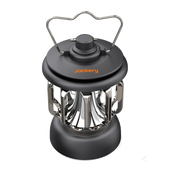
- Lighting: Use rechargeable LED lanterns and headlamps. Avoid candles entirely to reduce fire risk.
- Warmth: Stock wool blankets, thermal clothing, and sleeping bags. Inspect home insulation pre-winter to retain heat longer.
- Docs/Cash: Keep waterproof copies of IDs and insurance policies, along with small denomination cash for local purchases when card terminals fail.

Backup Power Solutions (Features & Trade-offs)
Assessing Your Power Needs
Calculate the total wattage of your essential devices to determine the required capacity. Sum the running watts of your Wi-Fi router, refrigerator, medical devices, and essential lights. This total wattage dictates the size of the generator you need.
Portable Power Stations
Portable power stations are the gold standard for indoor emergency power because they operate silently and without emissions. These units are safe for apartment use where fuel generators are prohibited.
- Key Specs: Look for LiFePO4 battery chemistry. LiFePO4 batteries ensure safety and long lifespans, typically offering 4,000 charge cycles.
- Capacity: A 2kWh–3kWh unit provides substantial runtime for refrigerators and essential electronics.
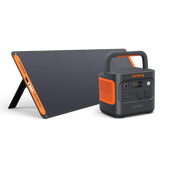
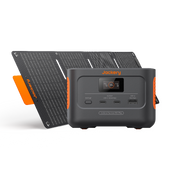
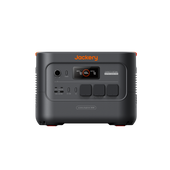
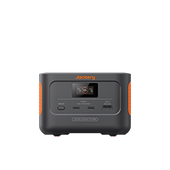
- Example: The Jackery Solar Generator 3000 v2 offers a massive 3072Wh capacity and 3600W output. This specific output is sufficient to run high-demand appliances like space heaters (1800W) or kettles (850W).
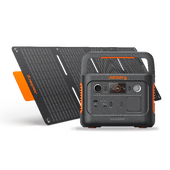
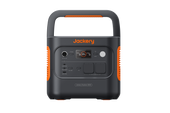
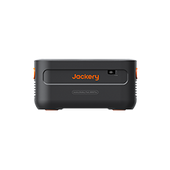
- Mid-Range Option: The Jackery Solar Generator 2000 v2 (2042Wh) balances portability with enough power for essential survival devices.
- Solar Input: Ensure the unit supports high-speed solar charging (e.g., 0-100% in 6 hours with 6x 200W panels) to maintain off-grid independence during prolonged events.
Solar and Battery Combinations
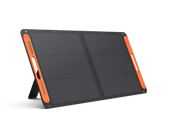
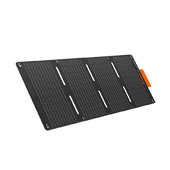
Pairing a battery with solar panels reduces reliance on stored fuel. This combination provides renewable recharging during multi-day outages. If you are unsure where to start, learn how to build your home power backup system effectively using high conversion efficiency panels (e.g., 25%).
Comparing Fuel Generators and UPS
Different backup solutions serve different purposes. Review the comparison below to choose the right tool for your needs.
|
Solution |
Best For |
Pros |
Cons/Risks |
|
Fuel Generators |
High-demand outdoor use |
High power output |
Requires outdoor operation; carbon monoxide risk; fuel storage maintenance. |
|
UPS (Uninterruptible Power Supply) |
Computers & Data |
Instant switchover |
Low capacity; cannot sustain appliances for long outages. |
|
Solar Generators (Hybrid) |
Indoor Home Backup |
Silent; safe indoors; renewable charging |
Requires solar panels for extended runtime without grid. |
Protecting Appliances and Electronics
Installing Surge Protection
Install whole-home protection at the breaker panel or use high-quality surge protector strips for individual devices. When power returns after load shedding, voltage spikes can destroy electronics if they are unprotected.
Disconnecting Sensitive Electronics
Disconnect sensitive electronics during the outage. Unplugging devices prevents damage from inrush current upon restoration.
Utilizing UPS Functionality
Modern power stations act as a safety net for sensitive data. The Jackery Solar Generator 3000 v2 features an instant UPS switchover time of ≤0.02s (20ms). This rapid switchover speed is sufficient to keep desktops and routers running without interruption when the grid cuts out.
Staging the Restart
Wait 10–15 minutes after power restoration before turning on heavy loads like electric heating or ovens. Staging the restart reduces immediate strain on the local grid.

Actions Before, During, and After an Outage
Preparation Checklist
- Monitor: Sign up for SMS alerts from your local distribution company.
- Charge: Ensure power banks and units like the Jackery Solar Generator 2000 v2 are fully charged. This model charges just 1.7 hours via a wall outlet.
- Prep: Fill water containers and prepare meals that require little to no heating.
- Download: Save offline maps and emergency documents to mobile devices.
Safety During the Outage
- Conserve: Prioritize power for phones and medical fridges. Dim screens and limit video streaming to save battery.
- Cold Storage: Keep the fridge and freezer doors closed. Food stays safe for 4 hours in a fridge and up to 48 hours in a full freezer.
- Heat: Isolate the family in one room to conserve body heat. Wear layers rather than relying solely on electric heat.
- Safety: Treat dark traffic lights as four-way stops. Never run fuel generators indoors or near windows.
Recovery Steps
- Inspect: Check food temperatures immediately. Discard of perishables exposed to temperatures above 4°C for more than 4 hours.
- Restock: Replenish water and food kits immediately.
- Recharge: Top up backup batteries immediately. Rolling outages often occur in waves; you need to be ready for the next rotation.
Practical Advice from Experienced Users
Psychological Benefits
A reliable power station for Wi-Fi keeps you informed and calm. The ability to charge phones and check news updates reduces stress significantly during uncertainty.
Protecting Plumbing Systems
Drain your pipes or keep a trickle of water running to prevent freezing if heating fails completely. In freezing outages, pipes can burst without this precaution.
Building Community Resilience
Check on elderly neighbors. Local resilience networks are as vital as hardware. A neighborhood that communicates recovers faster than isolated households.
Running Practice Drills
Practice a power-down evening. Turn off the main breaker for two hours and attempt to cook dinner and light your home. You will quickly identify gaps in your lighting and cooking plans.
Long-Term Resilience Upgrades
Improving Insulation
Draft-proofing windows and doors is the most cost-effective way to retain heat. Better insulation reduces the energy required to warm your home, making backup power last longer.
Securing Water Backup
Install a rain barrel or a larger indoor tank for hygiene needs. Flushing toilets requires significant water volume that bottled water cannot sustain efficiently.
Achieving Energy Independence
Consider larger solar generator setups, such as the Jackery Solar Generator 3000 v2, to reduce grid reliance permanently. You can explore sustainable winter energy solutions for more ideas on reducing grid dependence in cold months.
Real-World Use Cases
Regional Events
Recent transmission faults in Southern Europe highlighted the critical need for independent communication power. Families with backup batteries remained connected to emergency services while others were cut off.
Transport Disruption
Outages near major hubs, such as airports, prove the value of having food and water at home. Supply chains often slow down during widespread grid issues, making home stocks essential.
Community Recovery
Areas with strong neighborhood coordination recover faster. Sharing resources like generator power for phone charging builds community resilience that isolated households cannot match.
Conclusion
Load shedding is a managed risk. Preparation transforms it from a crisis into a manageable inconvenience. Audit your essential loads today, assemble your 72-hour kit, and secure reliable backup power. Resilience is about peace of mind—knowing you can keep your family warm, fed, and connected regardless of the grid's status.
FAQ: Common Questions on Load Shedding
How likely is load shedding?
Risk varies by country. Consult with your national grid operator for accurate forecasts rather than relying on general news.
How long does load shedding last?
Cuts typically last 2–4 hours per rotation. However, severe infrastructure failure can extend this duration significantly.
Can I power my whole house with a portable unit?
Portable units power specific appliances. Whole-home backup requires professional installation of large fixed systems.
How do I know if my specific area will be affected by load shedding?
Check your local utility provider's website or sign up for their specific SMS/email alert system for real-time notifications.
Can load shedding damage sensitive electronics, even with surge protectors?
While surge protectors help, unplugging sensitive devices ensures complete protection from the voltage fluctuations that occur when power returns.
What are the most common mistakes people make when preparing for power outages?
Most people neglect water storage, underestimate the power needs of medical devices, or rely solely on dangerous candles for light.


