

















Power outages in Europe are becoming a realistic concern due to extreme weather, aging grids, and geopolitical instability. A 72-hour blackout defines the critical three-day window authorities expect between a grid failure and the restoration of services. Preparing for this timeframe creates a buffer that keeps your household safe, warm, and fed while infrastructure is repaired.
This guide addresses the practicalities of surviving three days off-grid, from water storage in small apartments to powering medical devices. We provide actionable steps to ensure self-sufficiency, regardless of your budget or living space.
Understanding the Preparedness Warning
Civil protection agencies define the 72-hour target as the minimum duration citizens must sustain themselves without external assistance. This benchmark dictates the amount of food, water, and energy reserves required for survival before emergency services can intervene.
Verify Local Guidance
Regulations and risks vary significantly across European regions, so verify your local municipality's specific guidance immediately. A household in Northern Scandinavia faces freezing pipes, while a home in the Mediterranean deals with heat and water scarcity.
The European Commission Context
The European Commission 72 hours recommendation urges household-level resilience to alleviate strain on national infrastructure. When individual households achieve self-sufficiency for three days, emergency services can prioritize hospitals, water treatment plants, and vulnerable populations. Self-sufficiency is a civic responsibility.
Why Prepare for a 72-Hour Blackout?
Immediate risks during a blackout include the loss of heating, water pressure, communications, and refrigeration. Are power outages common in Europe? Yes, the frequency is increasing due to extreme weather events and grid instability.
The Grid Interdependence Factor
European energy markets are highly interconnected, meaning a failure in one region can cascade across borders into a 72-Hour Blackout Europe wide event. Preparation minimizes health risks, reduces the volume of emergency service calls, and speeds up community recovery once the grid stabilizes.
Building Your Supply Cache
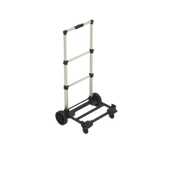
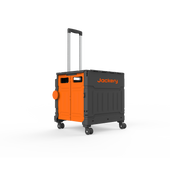
Centralize supplies in an accessible location to ensure rapid deployment. For apartments, use stackable boxes to maximize vertical space. If you have outdoor space, use frost-protected storage containers to free up indoor living areas. Perform a quick check monthly and a full inventory rotation every six months.
Essential Survival Kit Items
A robust 72-hour survival kit list prioritizes physiological needs first.
- Water: Store 3 liters per person per day for drinking. Add 2 liters per person for hygiene and pets.
- Food: Stock 3 days of ready-to-eat, energy-dense items. Canned goods, nuts, and dried legumes require no cooking.
- Cooking: Use a safe outdoor camping stove (butane/propane) only in well-ventilated areas. Never use these indoors due to carbon monoxide risks.
- Hygiene: Stock wet wipes, hand sanitizer, and heavy-duty waste bags for sanitation when water pressure fails.
- Documents: Keep waterproof physical and digital copies of IDs, insurance policies, and medical records.
Medical Safety and NHS Guidance
Medical dependency changes the stakes of a blackout from inconvenient to life-threatening. The 72-hour blackout nhs guidance recommends keeping a two-week supply of essential prescriptions to cover the outage duration and potential supply chain delays.
Refrigerated Medications
Insulin and certain biologicals require strict temperature control that standard ice packs cannot maintain for three days. You need a portable fridge powered by a reliable battery backup to ensure safety over the full 72-hour period.
Device Dependency
Users of CPAP machines or oxygen concentrators must calculate specific wattage requirements. These medical devices require a power source capable of handling surge wattage for multiple nights. Contact healthcare providers to establish a personalized emergency plan.
Communication and Lighting Strategies
Darkness increases accident risks and psychological stress, making reliable illumination essential.
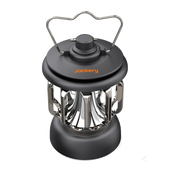
- Lighting: Prioritize LED headlamps and lanterns. They are safer than candles, which pose a significant fire risk. Keep spare batteries available.
- Information: A battery-powered or wind-up radio is essential. FM/AM radio remains the primary channel for official government broadcasts when mobile networks fail.
- Hard Copies: Print critical phone numbers and local maps. Mobile networks and GPS services often degrade during widespread outages.

Maintaining Home Comfort and Power
Temperature regulation is critical for health, particularly for elderly and young children.
Insulation Strategies
Designate one room for warmth and isolate this warm room using thermal curtains and draft excluders. Use sleeping bags and blankets to retain body heat. In summer, keep blinds closed to retain cool air.
Pipe Safety
In freezing conditions, insulate pipes immediately to prevent bursting. If heating fails completely, drain your system to prevent catastrophic water damage when the thaw comes. Keep a plan to access water if pipes do freeze.
Powering Essentials: Sizing Your Solution
To build a reliable backup system, you must understand your specific energy consumption. Learning how to build your home power backup system starts with calculating total watt-hours.
Step 1: Audit Must-Run Devices
List the devices you absolutely need (fridge, CPAP, smartphone, LED lights). Note their wattage (W) found on the device label.
Step 2: Calculate Watt-Hours
Multiply the Wattage by the Hours of use per day.
- Example: 50W (CPAP) × 8 hours = 400Wh per night.
Step 3: Add a Safety Buffer
Choose a battery capacity that exceeds your total daily Wh needs by 20–30%. This accounts for inverter efficiency loss and ensures you don't drain the battery to 0%, preserving its lifespan.
Portable Power Examples
For modern resilience, power backup solutions for grid outages range from small banks to whole-home generators.
Entry-Level Needs
Small power banks (20,000mAh+) keep mobile phones charged for emergency calls but will not run appliances.
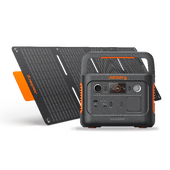
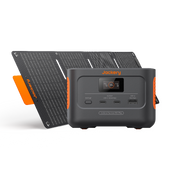
Mid-Range Needs: Jackery Explorer 2000 v2
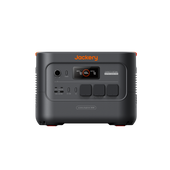
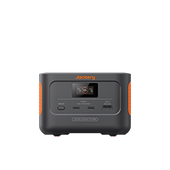
For substantial backup without installation, the Jackery Explorer 2000 v2 bridges the gap for essential appliances. This unit provides reliable power for mid-sized household needs.
Jackery Explorer 2000 v2 Portable Power Station
- Capacity: 2042Wh.
- Output: 2200W (Surge 4400W).
- Lifespan: 4000 Charge Cycles (LiFePO4).
- Use Case: Supports a household refrigerator (15-520W) for 3.2-72 hours or a coffee maker (1120W) for 1.8 hours.
High-Demand Needs: Jackery Explorer 3000 v2
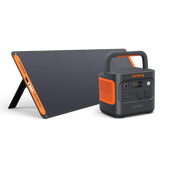
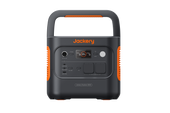
For heating appliances or extended autonomy, the Jackery Explorer 3000 v2 offers the necessary capacity for high-demand situations.
Jackery Explorer 3000 v2 Portable Power Station
- Capacity: 3072Wh.
- Output: 3600W (Surge 7200W).
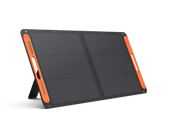
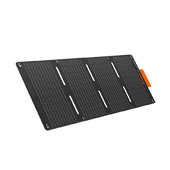
- Charging: Solar recharge in 5.5 hours (4x SolarSaga 200W).
- Use Case: Handles high-surge devices like electric grills (1600W) for 1.5 hours or a refrigerator (200W) for 24-48 hours.
Chemistry Note
Both Jackery models use LiFePO4 batteries. This chemistry offers superior thermal stability, making them safer for indoor storage than older lithium-ion types.
Solar Recharging and Maintenance
Batteries eventually run dry without a charging source. Solar energy household battery backup systems allow you to recharge indefinitely during a prolonged crisis.
Off-Grid Charging
Solar panels are critical for extending runtime beyond the initial battery capacity. Even in overcast European winters, modern panels capture energy to keep essential devices running.
Plug-in Home Battery Potential
Plug-in systems, such as the Jackery HomePower 2000 Ultra Plug-in Home Battery, allow urban renters to capture energy without roof access. These units can be deployed in small spaces to recharge stations during daylight hours, making solar generation accessible to apartments.
Cold Weather and Maintenance
Batteries lose efficiency in freezing temperatures. Store and operate units in insulated or indoor spaces to maximize performance. Charge power stations to 100% every 3–6 months to ensure readiness.
Actionable Sizing and Legal Considerations
Apartments vs. Houses
Portable stations with foldable panels usually do not require permits, making them ideal for renters. Conversely, whole-home rooftop systems require electricians and permits. Factor in supply chain delays if planning a permanent installation.
Plug-in Home Battery Regulations
Check local building regulations. Many European cities now have specific allowances for Plug-in Home Battery systems, simplifying the path to partial energy independence.
Safety Warning
Never connect a generator directly to household wiring without a professional transfer switch. This creates back feed, which can electrocute utility workers repairing the grid lines down the street.
Emergency Action Plan
Before the Blackout
- Plan: Assign household roles (water check, radio setup) and agree on a meeting point.
- Community: Identify neighbors who may need help or have shared resources, such as wood stoves.
- Stockpile: Ensure non-perishable food and water reserves are fresh and accessible.
During the Blackout
- Prioritize: Focus energy use on life-safety: medical devices, communications, and minimal lighting.
- Conserve: Unplug non-essential appliances to protect against voltage surges when power returns.
- Monitor: Check official radio broadcasts for updates and estimated restoration times.
After the Blackout
- Inspect: Check appliances for damage before normal use. Discard unsafe perishable food.
- Restock: Immediately replenish the water and food supplies used during the event.
- Review: Discuss what worked and what failed with your household to improve your future response.
Real-World Resilience Examples
2024 Winter Storms
During recent severe weather events, families equipped with portable batteries successfully preserved insulin supplies, avoiding hazardous travel to hospitals during the storm.
Urban Renters
In cities like Berlin, residents have utilized Plug-in Home Battery setups to maintain phone communication and laptop power during rolling grid adjustments, proving that resilience is possible without a backyard.
Community Sharing
Neighbors pooling resources—one house providing heat via a wood stove, another providing power for charging phones—proves vital in extended crises.
Conclusion
A 72-hour preparedness plan is a scalable investment in safety, starting with water and food, then energy. You do not need to secure a massive system overnight. Start small: secure a survival kit and basic backup power, then expand to larger solar generators as your budget permits.
Prioritize LiFePO4 battery technology, found in the Jackery Explorer 2000 v2 Portable Power Station and Jackery Explorer 3000 v2 Portable Power Station, for long-term reliability and safety. Regularly practice your plan to ensure your household is ready when the grid goes down.
Frequently Asked Questions
What are common mistakes people make when preparing for a blackout?
People often neglect water purification and storage or store fuel improperly indoors. Underestimating the psychological need for information and communication is also a frequent oversight.
How can I involve children in blackout preparedness without causing anxiety?
Frame preparedness as a camping adventure or a game rather than a disaster response. Assign them age-appropriate tasks, like managing the flashlight inventory or selecting games for the emergency kit.
Are there specific apps or digital tools useful for blackout preparation?
Yes, download offline maps (Google Maps), first aid guides (Red Cross), and local weather alert apps. Ensure these are updated regularly so they function without data.
What if I live in a high-rise apartment building?
Account for elevator failure and keep supplies in a portable go-bag for stair evacuation. Store extra water, as pressure usually relies on electric pumps that fail during outages.
What is the next step for outages lasting longer than 72 hours?
For extended outages, you need renewable energy generation (solar panels) and community resource sharing. Long-term resilience relies on sustainable water sources and cooperative neighborhood networks.


