















Reliable electricity determines whether a float pumps music for the entire parade or falls silent halfway through the route. February and March in the Netherlands bring freezing temperatures, rain, and wind—conditions that drain batteries and challenge standard generators. For float builders and event planners, carnival in the Netherlands requires a power strategy that balances capacity, mobility, and strict municipal safety regulations.
Grid instability and noise restrictions in city centers like Maastricht and Den Bosch make traditional diesel generators increasingly difficult to use. A robust setup must handle the surge wattage of PA systems and the continuous draw of LED arrays without violating local emission rules. This guide outlines how to size, secure, and manage temporary power for a safe, legal, and uninterrupted celebration.
I. Understanding the Cultural Context and Power Implications
Carnival is a logistical marathon where timing, scale, and movement dictate technical requirements.
Timing and Weather Impact
Freezing temperatures significantly reduce battery efficiency. The festival occurs in late winter, where cold weather increases the internal resistance of batteries. A battery rated for 5 hours of runtime at 20°C may only last 3 hours at 2°C. Power planning must account for this thermal efficiency loss by adding capacity buffers or insulation.
Scale of Events
Power needs range from 50W for walking groups to 3000W+ for large floats. Celebrations vary from intimate village parades to massive gatherings in North Brabant and Limburg. A small walking group might only need power for a portable speaker, while a large float requires kilowatts to sustain amplifiers, moving animatronics, and crew heating.
Mobility Requirements
Mobile power is mandatory because floats are constantly moving away from fixed grid hookups. Unlike stationary stages, carnival floats require onboard, distributed, and secure energy sources. Roaming bands (dweilorkesten) specifically need lightweight solutions that can be carried while running amplification for hours.
II. Regional Variations That Affect Power Needs
Local municipal rules dictate hardware choices, as rural solutions may result in fines within urban centers.
Route Length and Capacity
Battery capacity must sustain 6 to 8 hours of continuous usage. Routes in major cities like Maastricht are long and slow-moving, keeping floats away from charging sources for extended periods. This duration demands high-capacity storage or onboard generation, whereas short village parades allow for smaller battery banks that can be recharged sooner.
Regulations and Noise Zones
Silent battery systems are often a compliance requirement in historic centers. Urban centers enforce strict decibel limits and emission standards, often banning diesel generators in residential zones due to noise and fumes. Compliance ensures that the float is not pulled from the parade by inspectors.
Coordination and Permitting
Permits must be secured months in advance. Cities like Den Bosch (Oeteldonk) require precise documentation for any motorized float or significant electrical setup. If a float requires a grid connection at the start or end point, this infrastructure must be booked early.
III. Powering the Party: Technical Requirements and Options
Choosing the right equipment requires accurate math to prevent blackouts or wasted budgets.
Load Calculation
Calculate minimum Wh capacity by multiplying total continuous watts by hours needed and a 1.25 safety buffer.
To determine needs, list every device:
1. Audio: PA amplifiers, mixers, microphones.
2. Lighting: LED strips, spotlights, decorative arrays.
3. Comms/Misc: Radios, phone chargers, small heaters.
The Formula:
- Total Continuous Watts × Hours Needed) × 1.25 = Minimum Wh Capacity
- The 1.25 multiplier accounts for cold weather inefficiency and inverter loss. The power source must also handle surge wattage—the millisecond spike required to start motors or amplifiers.

Portable Power Stations (Silent & Safe)
Portable power stations are the standard for noise-sensitive zones and floats relying on electronics. These units offer silent operation (≤ 22dB) and zero emissions.
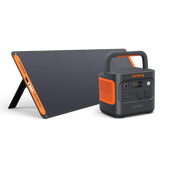
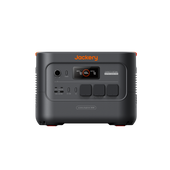
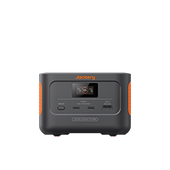
Recommended Unit: Jackery Explorer 1000 v2 Portable Power Station
- Capacity: 1070Wh provides enough energy to run a 500W sound system for roughly 2 hours.
- Output: 1500W AC output (Surge 3000W) handles startup spikes effectively.
- Chemistry: LiFePO4 battery ensures safety and longevity with 4000 charge cycles.
- Noise: Operates quietly (≤ 22dB), ensuring the music is heard, not the generator.
Batteries are safer for crowded floats than fuel containers, as modern units have built-in battery management systems (BMS) to prevent overheating.
Fuel Generators (High Load)
Fuel generators are necessary only for massive resistive loads like deep fryers or large-scale electric heating.
- Placement: Position units 20+ feet from crowds and air intakes.
- Safety: Spill containment trays and proper exhaust routing are mandatory.Hybrid Approach
A hybrid system separates dirty mechanical power from clean electronic power. Use fuel generators for heavy mechanical loads, while employing the Jackery Explorer 1000 v2 Portable Power Station for sensitive audio equipment and LED lighting. This separation prevents audio hum and protects delicate electronics from voltage fluctuations.
Cold Weather Strategy
Insulation is critical for maintaining battery discharge rates.
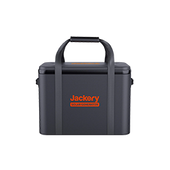
- Insulation: Keep power stations inside an insulated box with ventilation to maintain operating temperature.
- Fuel: Pre-warm generators before the parade starts.
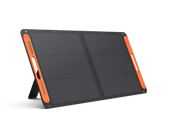
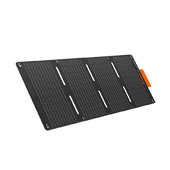
- Solar: While winter sun is weak, those looking for sustainable winter energy solutions can use angled solar panels to top up batteries during daylight hours.
IV. Logistics and Redundancy Planning
Redundancy ensures the show goes on even if equipment fails during the parade.
Timeline and Permits
Contact municipalities immediately to secure Evenementenvergunning (event permits). These documents must explicitly cover the electrical setup and often require inspection of verification.
Redundancy (N+1)
The N+1 redundancy strategy prevents total system failure. If a main amplifier requires one power station, bring two.
- Modular Strategy: Use multiple smaller units, such as two Jackery Explorer 1000 v2 Portable Power Station units, instead of one massive generator. If one fails, only half of the capacity is lost.
- Backup Cables: Carry spare XLR cables, power strips, and extension cords.
Monitoring and Roles
A designated Power Lead must monitor state-of-charge and manage load balancing.
- Track Usage: Cold weather drains batteries faster than rated specs. The Power Lead decides when to switch to backup units.
- Safety Zones: Cordon off fuel generators and ensure cables are taped down. For broader context on safety, review power backup solutions for grid outages to understand general redundancy principles.
V. Practical Tips for Newcomers and Volunteers
Field-tested protocols prevent common failures for first-time float builders.
Pre-Event Checklist
1. Audit Wattage: Measure actual draw of lights and speakers rather than relying on labels.
2. Protection: Use surge protectors. The Jackery Explorer 1000 v2 Portable Power Station features ChargeShield 2.0, providing 62 layers of protection against unstable charging environments.
3. Cabling: Ensure all outdoor connections are IP-rated (waterproof).
Etiquette & Rules
Strict adherence to municipal permits is required alongside cultural respect.
Silence: Do not run loud generators during speeches or in designated quiet zones.
Emissions: Avoid pointing exhausts toward the crowd or other floats.
Cold Management
Batteries should remain at room temperature until the very last moment before deployment. Cold batteries struggle to discharge high currents. If the power station is on an open float, build a simple insulated enclosure using a foam board to retain the unit's self-generated heat.
VI. Short Decision Guide: Which Power Setup to Choose
Select the configuration that matches group size and technical needs.
|
Float Size / Type |
Recommended Setup |
Why This Works |
|
Small Floats / Walking Groups |
Single Jackery Explorer 1000 v2 Portable Power Station |
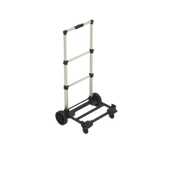
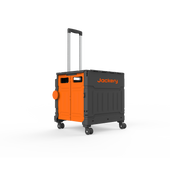
Weighing only 10.8 kg, this unit is portable enough for a wagon. It easily handles LED strings and a portable PA speaker for the duration of a standard route. |
|
Medium Floats / DJ Setups |
Multiple Jackery Explorer 1000 v2 Portable Power Station units |
Dedicating one unit to audio and a separate unit to lighting provides redundancy. This prevents bass drops from dimming lights and simplifies load balancing. |
|
Large Floats / High Continuous Load |
Hybrid System (Fuel + Battery) |
Fuel generators handle hydraulics, while the Jackery Explorer 1000 v2 powers the DJ booth and sensitive communications gear to ensure clean, noise-free power. |
For those interested in scaling these systems for other activities, see how to power your EU camping trips effectively.
VII. Conclusion
Successful carnival in the Netherlands planning relies on accurate load calculations, respect for cold weather physics, and strict adherence to safety regulations. You cannot control the weather, but you can control the power supply.
Prioritize silent, emission-free solutions like solar generators for city centers where regulations are tightening. These systems protect the crew from fumes and ensure music plays clearly without engine noise.
Action: Audit gear today. Calculate total wattage, secure municipal permits, and test the power setup in cold conditions before the parade begins.
For a deeper dive into building a complete system, read how to build your home power backup system.
Frequently Asked Questions
What permits are needed for private power on public streets?
You typically need an Evenementenvergunning from the local municipality. You must document equipment safety specs and noise levels for council approval.
Can I charge power stations using a float’s vehicle alternator?
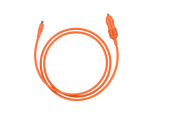
Yes, use a DC-to-DC charger or inverter connected to the vehicle's 12V system. This allows the battery to top up while the towing vehicle is idling or moving.
How do I protect electrical connections from rain or snow?
Use IP-rated waterproof junction boxes for all connections. Elevate cable couplers off wet pavement using cable ramps or wooden blocks.
What insurance covers power equipment damage during Carnival?
Check Evenementenverzekering (event insurance) policies. Ensure the policy specifically covers theft, crowd damage, and weather-related short circuits for rented or owned electronics.
Are there specific fire extinguisher requirements for battery-powered floats?
Yes, Dutch fire safety codes for parades usually mandate a Class ABC extinguisher or a specialized lithium-safe extinguisher on board. Ensure it is easily accessible and not buried under decorations.


