
















Whether traversing the majestic peaks of the Alps or strolling through the lavender fields of Provence, a European road trip is a profound adventure of freedom and discovery. However, how to plan a road trip?
A perfect European road trip stems from meticulous planning of route, pace, cross-border regulations, and equipment.
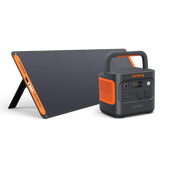
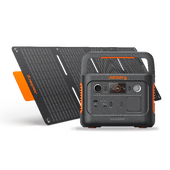
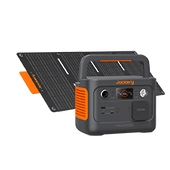
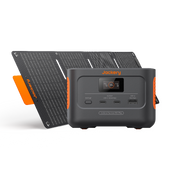
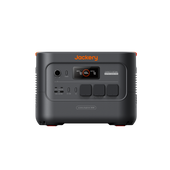
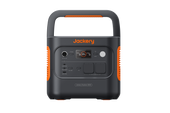
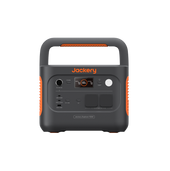
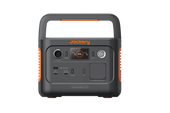
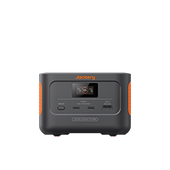
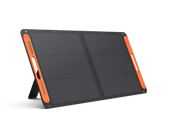
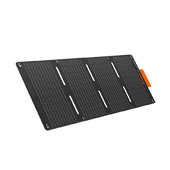
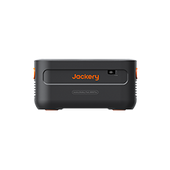
To ensure your phone's navigation, camera equipment, and in-car electronics remain connected in the wilderness, carrying an outdoor power source, such as the Jackery Solar Generator 1000 v2 or 500 v2 is essential. These not only provide green power from SolarSaga solar panels but also let you enjoy a freshly brewed coffee or process your travel photos at any scenic stop.
|
Key Takeaways: |
|
Road Trip in Europe: Planning a Perfect Route and 5 Recommended Routes
Europe has some of the world's most spectacular roadways, from Italy's cliff-hugging Amalfi Coast to Norway's endless fjords. However, scenic beauty alone is not sufficient. A truly enjoyable road journey should be fluid, not stressful. To create the ideal European road trip, combine your planning criteria with route ideas.
Road Trip in Europe: How to Plan a Perfect Route?
Every road journey should begin with a few details dialled in. Before planning any road trip, ask yourself these crucial questions:
- What Are the Start and End Dates of Your Trip?
Setting specific departure and return dates will allow you to better organise your vacation. If you don't know your start and end dates yet and your schedule is more flexible, jot down an estimate of how long you expect the trip to last. For example, are you planning a 5-day, one-week, or two-week road trip?
- Where Will You Begin and End the Trip?
Your road trip can either complete a loop back to your starting point or begin and end at separate locations. If you choose alternative starting and ending sites for your road trip, make sure that your rental business allows for a varied drop-off location.
- How Much Driving Are You Willing to Do Per Day?
Once you've chosen how much overall time you have for your road trip and the approximate area you want to visit, set a limit on how many hours you're willing to spend in the car each day. Nobody wants to spend 12 hours a day in their automobile, and the point of travelling is to explore. It is recommended that you do not drive more than three hours every day on average.

Road Trip in Europe: 5 Recommended Routes
The following five routes highlight the rich diversity and fascinating attractiveness of European scenery and culture, each with its own distinct character.
Germany: The Romantic Road
- Route: Würzburg to Rothenburg ob der Tauber to Füssen (Neuschwanstein Castle)
- Ideal Duration: Three to five days
This is one of Europe's most scenic and relaxing drives. The roads are smooth, towns are compact, and the views are breathtaking. Rothenburg, particularly at dusk, is breathtaking. As I walked its walls, I felt like I was going back in time.
Iceland: The Ring Road
- Route: Reykjavík to Vík to Höfn to Akureyri to Snæfellsnes to Reykjavík
- Ideal Duration: Seven to 10 days
Iceland's openness makes it ideal for a road trip: wild camping is permitted in many regions, and the journey is straightforward, even if isolated. Every hour, the landscape changes: volcanic deserts, glaciers, puffin-covered cliffs, boiling vents, and the northern lights dancing above.
Northern Spain: The Picos de Europa
- Route: Santander to Potes to Cangas de Onís to Covadonga Lakes
- Ideal Duration: Four to six days
If you want to go off the beaten road, this is it. Driving around here in early summer, you'll seldom see any other tourists. The roads are exhilarating (keep an eye out for cows), the food is rustic and delicious (cabrales cheese, fabada asturiana), and the trekking is world-class.
Scotland: North Coast 500
- Route: Inverness to Ullapool to Durness to John o’ Groats to Inverness
- Ideal Duration: Five to seven days
Scotland's NC500 is a mountainous loop that begins and ends in Inverness and circles the northern edge of the Highlands. I drove it in the spring and was constantly stopping for sheep, seals, or rainbows across lochs. Prepare to encounter narrow single-track roads, spectacular cliffs, and friendly folks in little whisky-filled pubs.
Slovenia’s Alpine Loop
- Route: Ljubljana to Lake Bled to Triglav National Park to Soca Valley to Piran
- Ideal Duration: Five days
Slovenia resembles Europe in tiny. Whether it's kayaking on the blue Socha River, climbing to waterfalls, or exploring underground caves, all of this can be accomplished in a few days. The roads are in excellent condition, and the distances are low, making it ideal for a camping trip.
Road Trip in Europe: Packaging Checklist and Tips
Packing for a European road trip is unlike packing for a city getaway. You must pack in layers: clothing for changing weather, auto maintenance supplies, legal documentation for numerous nations, and, of course, the little things that make the road feel like home.
For example, if you need to process documents or edit photographic video while travelling, a power source like the Jackery Solar Generator 1000 v2 or 500 v2 will ensure that your electronic gadgets never run out of power, especially outside. These devices can also be combined with SolarSaga solar panels to convert sunshine into electricity during rest stops, resulting in genuinely green power.

A carefully developed packing list not only eliminates clothing difficulties caused by temperature changes, but it also improves the quality of long-distance travel by utilising advanced technology. The following list is for your reference.
|
Europe Road Trip Packing List |
|
|
Core Documents |
Passport Visa (if required) Driver's License Vehicle Documents (e.g., rental car booking confirmation) Credit Card Cash Travel Insurance Policy Emergency Contact List |
|
Electronic Devices and Navigation |
Chargers Outdoor power supply (e.g., Jackery Solar Generator 1000 v2 / 500 v2) Adapter (if needed) Car charger Camera and accessories (e.g., memory cards, card readers) Earphones eSIM card (if needed) GPS navigator |
|
Clothing and Footwear |
2-3 pairs of trousers or jeans 2-3 tops 1 windproof/rainproof jacket 1 pair of comfortable athletic shoes 2-3 pairs of cotton athletic socks Underwear (prepare 2 sets per day) 1 set of pajamas Sun hat Sunglasses |
|
Personal Care & Health |
Toiletries (toothbrush, toothpaste, shampoo, shower gel, etc.) Skincare (moisturizing lotion, lip balm, face mask) Sunscreen Cosmetics (if needed) Razor (if needed) Towels Wet wipes Hand sanitizer Sanitary napkins/tampons (if needed) Medication kit (painkillers, allergy medications, and prescription drugs) Portable water bottle |
|
Practical Tools for Driving |
Dashcam Offline Maps (Download Google Maps or use the Maps.me app) Warning Triangle Headlamp/Flashlight Umbrella Garbage Bags Snacks (Beef Jerky, Chocolate, Nuts, etc.) Repair Kit (Wrench, Jacket, Air Pump, etc.) |
This list is for reference only; please add or remove items according to your actual needs.
Europe Road Trip Packing Tips
Packing smart saves time, money, and frustration. Here are some practical packing tips:
Tip 1: Pack Light and Travel Light
Consumables like shampoo and shower gel can be purchased at local supermarkets upon arrival, or you can bring enough samples. Choose versatile basic clothing and layer to cope with temperature changes.
Tip 2: Use Compression Packing Bags
Organize your clothing by function (e.g., pajamas) into compression packing bags. This not only saves over 30% of space, but more importantly, you won't need to rummage through your entire suitcase if you need to change clothes on the roadside.
Tip 3: Use Soft Duffel Bags
If you're renting a compact car, try to use soft duffel bags or medium-sized suitcases instead of extra-large hard-shell suitcases. Soft bags are easier to squeeze together in the trunk, allowing you to fit more items in a limited space.
Tip 4: Prepare a Small Carry-on Bag
Place your passport, driver's license, wallet, mobile phone, and other important items in a small carry-on bag placed in the front of your vehicle. Take the bag with you when entering a service area or getting out of the car to ensure it won't be lost.
Tip 5: Conceal Valuables in the Trunk
In some European cities, there is a risk of broken car windows. When packing, ensure all luggage can be completely concealed below the trunk cover. Do not leave any bags on the seats. If you do, cover them with a dark blanket to keep a low profile.
Jackery Solar Generators: An Indispensable Power Source for Road Trips in Europe
After planning your European road trip and packing your bags, the last and most crucial step is ensuring you have ample power in the wilderness, far from the city.
Whether driving a rented campervan through the majestic snow-capped peaks of the Alps or parking in a quiet town in Provence to enjoy a lazy afternoon in the sunshine, a reliable and efficient outdoor power supply can completely eliminate battery anxiety during your European road trip, adding countless moments of comfort and ease. The Jackery Solar Generator 1000 v2 and 500 v2 are ideal choices for this purpose.
Jackery Solar Generator 1000 v2
The Jackery Solar Generator 1000 v2 is a flagship model with a 1 kWh capacity, designed for long road trips or family outings, providing powerful and long-lasting power for electronic devices.

1 kWh Capacity for the Whole Family: With a massive 1070Wh capacity, this means it can charge a laptop approximately 8 times, a drone battery approximately 14 times, and even power a car refrigerator for over 10 hours, keeping everything fresh on your journey.
Whether shooting exciting vlogs along the way, handling urgent work emails, or enjoying chilled drinks at a campsite, it handles it all with ease, eliminating the hassle of constantly searching for outlets.
1500W High Power, Compatible with Most Appliances: A stable 1500W AC output and 3000W peak power allow it to not only charge small devices like phones and cameras, but also easily power large appliances such as coffee grinders and projectors.
On a chilly Nordic morning, use it to brew a steaming cup of coffee to wake up the day; under the Italian stars, use it to power an outdoor movie theater – it will greatly enhance your quality of life and happiness during your journey.
Lightning-Fast Charging, Say Goodbye to Long Waits: Its superior fast-charging technology is one of the biggest highlights of this product. Using AC power, it only takes about 1.7 hours to fully charge from zero, and with emergency mode activated, it can be fully charged in as little as 1 hour. Imagine the ease with which you can rest and grab a quick meal at a highway rest stop while it's already fully charged, ready to accompany you to your next destination. This is crucial for drivers with tight schedules and limited time, greatly improving travel efficiency.
Quiet and Lightweight, Burden-Free Travel: Despite its powerful performance, the entire unit weighs only about 10.8 kg and features an ergonomically designed, sturdy handle, making it easy for even female users to carry.
Its operating noise is below 22 decibels, almost silent—quieter than a library—ensuring it won't disturb your and your companions' rest in the car, truly providing a quiet and considerate companion.
Jackery Solar Generator 500 v2
If you crave ultimate lightweight design and flexibility and dislike being burdened by heavy equipment, then the Jackery Solar Generator 500 v2 is the perfect partner.

Ultimate Portability, Ready to Go Anytime: The included Explorer 500 v2 weighs only 5.7 kg and is 27% smaller (31.1 × 20.5 × 15.7 cm), designed to be extremely compact, easily stored in a backpack's side pocket or placed under the passenger seat. The included Solarsaga 100W solar panel weighs 3.6 kg and folds down to a compact size (61 x 55.2 x 3.5 cm). Place it in the trunk without taking up any valuable luggage space.
6000 Ultra-Long Cycle Life, a One-Time Investment for Long-Term Benefits: Also equipped with a durable lithium iron phosphate battery, its cycle life reaches an astonishing 6000 cycles (still retaining 70% capacity), far exceeding most similar products on the market.
This means its lifespan is extremely long, translating to negligible cost per use, making it a very worthwhile long-term investment. Whether for everyday weekend camping or family trips, you'll feel it's excellent value for money.
Dual-Mode Fast Charging, Efficient and Convenient: With 200W solar input, it can be fully charged in just 2.8 hours. Even more surprisingly, when used with the SolarSaga solar panel in hybrid charging mode (AC power + SolarSaga 100W), it can be fully charged in as little as 60 minutes. This efficient charging capability ensures it can quickly recharge in any scenario, without delaying your exploration of the next scenic spot.
Multi-Port Output, Powering Multiple Devices Simultaneously: Despite its compact size, it boasts a full range of uncompromising interfaces. Equipped with two standard AC outlets, one car power interface, one USB-A port, and two USB-C ports, it can power up to multiple devices at the same time.
You can use your phone to navigate and find routes while charging your camera battery, and even play movies on your companion's tablet, fully meeting the diverse power needs of traveling in a group.
Road Trip in Europe: What Should the Budget Be?
Budgeting for your road trip is one of the most prudent things you can do before hitting the road, and it does not have to be tedious.
By preparing ahead of time, you can account for major costs such as fuel, camping fees, meals, toll roads, and activities, allowing you to create an itinerary that suits your travel style and budget. A detailed budget also allows you to track your spending and make adjustments as needed.
If you stay in hostel dorms, eat at inexpensive restaurants for the majority of your meals, take free tours, and visit a few paid activities and museums, you'll need roughly 100 euros per day in Western Europe, 70 euros in Central Europe, 50 euros in Eastern Europe, and 120 euros in Scandinavia. As a result, the average daily budget for a European road trip is between 50 and 120 euros per person.
|
Item |
Cost |
|
Van hire (shoulder season) |
€650.00 – €1000.00 |
|
Return ferry (Dover–Calais) |
€160.00 – €250.00 |
|
Fuel (900 km @ 35 mpg) |
€175. 00 – €250.00 |
|
Campsites (mix of Aires & sites) |
€130.00 – €150.00 |
|
Groceries & market treats |
€120.00 – €150.00 |
|
Toll roads (optional) |
€60.00 – €80.00 |
|
Total |
~€1295 – €1880.00 (≈ £93 pp/night) |
(Source: www.quirkycampers.com)
The above is the budget for two adults driving a Quirky campervan on a week-long road trip in France. These budgets are for reference only.

Here are some general tips for saving money when road tripping in Europe:
- Take Free or Low-Cost Tours and Activities: Many European towns offer free walking tours, open-air festivals, nature trails, and beach days that only cost you time. National parks in Slovenia, Portugal, and the Spanish Pyrenees are free to visit.
- Stay with a Local: Hostels can add up really quickly. If you don’t have any friends with whom you can stay, consider using Couchsurfing, which connects you with locals who let you stay with them for free.
- Bring a Water Bottle: The tap water throughout much of Europe is safe to drink, so pack a reusable water bottle to save money and decrease your plastic consumption. Furthermore, by driving a portable coffee maker powered by the Jackery Solar Generator 1000 v2 or 500 v2, you can have a free cup of coffee at every picturesque stop.
- Use Discount Cards and Coupons: There are numerous discount systems available, ranging from city tourism cards to European campground memberships, that can save you money on attractions, parking, petrol, and accommodation. For example, France Passion offers free overnight stays at vineyards and farms in exchange for a nominal annual membership.
Additional Considerations for Planning a European Road Trip
A ideal European road trip starts with thorough planning. Aside from route planning, each step, from automobile rental to insurance, influences the trip's smoothness and safety. Here are some more elements to consider when preparing.

Car Rental
It is advisable to select a station waggon or SUV with enough capacity for luggage and extended travels. Basic rental insurance normally has a large deductible (more than €1000). Purchasing full-coverage insurance with no deductible is strongly advised.
When renting a car, you must specify which countries you will be crossing, as the rental firm requires a cross-border card; otherwise, your insurance would be void abroad. Additionally, check to see if the car has Crit'Air (France) or Umweltplakette (Germany) eco-friendly labels.
Book Your Accommodation
It is recommended that you reserve your accommodations ahead of time and that your hotel reservation is cancelable no later than the day before your arrival. Then you can stay if you like, but you have the choice to adjust your plan along the way. It's evident that having Hotels.com and Booking.com on your mobile makes it easier to discover last-minute accommodations. Make sure you select the "Parking Included" option. Accommodation with private parking might save you a lot of money.
Purchase Travel Insurance
Get travel insurance to help cover unforeseen expenses like medical bills and cancellations. In 2026, Schengen insurance will need medical coverage of at least €30,000. You can pick between single and several excursions every year for yourself and other passengers across Europe and around the world, ensuring that your road trip is safe.
Understanding Different Traffic Rules
Understanding and following local rules not only keeps you safe, but also saves you time, money, and unnecessary stress. Before departing, always check the local tourism or transport authority websites for real-time updates.
|
Country |
Vignette Required? |
Headlights 24/7? |
Highways General Speed Limits (in km/h) |
Alcohol Limit |
|
Iceland |
No |
Yes |
No motorways |
0.05% |
|
Germany |
Umweltzone only |
Yes (highways) |
No limit / 130 recommended |
0.05% |
|
Slovenia |
Yes |
Yes |
130 |
0.05% |
|
France |
Crit’Air cities |
Yes |
110 to 130 |
0.05% |
|
Spain |
No |
No |
120 |
0.05% |
|
Italy |
ZTLs (cities) |
Yes |
130 |
0.05% |
(Source: www.roadtripsforfamilies.com)
For safety and legal protection, it is recommended to carry an International Driving Permit (IDP), especially in Spain, Italy, Portugal, and Iceland. For example, when renting a campervan in Iceland, many rental companies will require you to show both your IDP and your national driver's license.
Summarize All Bookings in an Itinerary
You can use Excel to build an itinerary that includes dates, lodging information, and daily schedules. It's especially helpful when you're on your third week of travel and can't recall where you slept the night before.
Enter all of the sights you drew on the map into the day plan on the appropriate day, even if you want to accomplish more than what is realistic. Plans can alter, weather can interfere, certain attractions may cancel, and you'll need to come up with a backup plan.
FAQs
The following are the frequently asked questions about planning a road trip in Europe:
1. How to plan a road trip step by step?
Setting a budget, establishing a route with major stops, prepping your vehicle, and arranging accommodations, ideally 1-2 months in advance, are all part of the planning process for road trips. Of course, remember to bring the necessary equipment and supplies for the journey.
2. What is the best route planner for a road trip?
The benefit of Roadtrippers is that it allows you to find incredible places and detours along your path. Simply enter your starting and ending points, and it will automatically reveal outstanding sites, national parks, and distinctive restaurants within 10-50 kilometres on either side of your journey. Google Maps is the best app for straightforward, dependable navigation and discovering places to stop on the fly.
3. Can ChatGPT do route planning?
Yes, ChatGPT can help with route planning, primarily by designing itineraries, optimising stops, and recommending routes using natural language, particularly when combined with plugins such as MyRouteOnline or Komoot. While it can plan itineraries and make suggestions, it is not a reliable, real-time GPS navigation system.
4. Is it cheaper to fly or take a road trip?
Driving is generally less expensive for short distances or for groups/families of three or more people. Airfares are typically far more expensive than driving alone. Road vacations, particularly for groups of three or four, are significantly less expensive than flying.
Final Thoughts
A successful European road trip requires both rational control of budget and traffic rules, as well as a passionate pursuit of travel quality. By planning your route wisely, packing scientifically, and using an outdoor power source like the Jackery Solar Generator 1000 v2 or 500 v2, you not only solve your core power anxiety but also embrace a sustainable and efficient modern way of traveling.
In addition to these, planning a road trip in Europe also requires considering key aspects such as car rental, accommodation booking, slightly different traffic rules in different countries, and purchasing travel insurance.


