

















Power cuts are usually unexpected, and even a short outage can disrupt daily life at home. Phones need charging, Wi-Fi stops working, lights go out, food in the fridge becomes a concern, and some heating systems may stop because their controls or pumps rely on electricity.
That is why an emergency power supply is becoming a practical part of home preparedness across Europe. It does not always mean powering the whole house. For most households, the goal is simpler: keep the essentials running until the grid comes back.
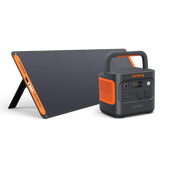
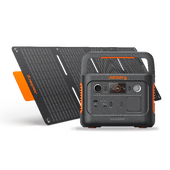
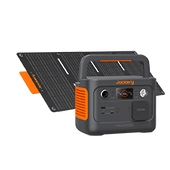
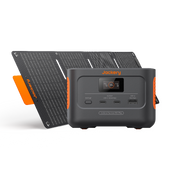
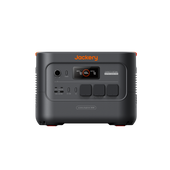
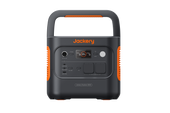
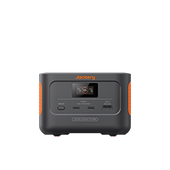
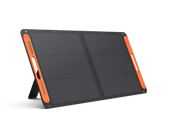
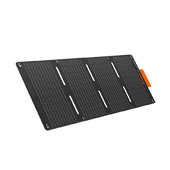
There are several ways to do this, from small emergency batteries and UPS units to fuel generators, solar generators, and fixed emergency power supply systems. A Jackery Solar Generator, for example, can be useful for households that want quiet, portable backup power with the option to recharge from solar panels during daylight.
|
Key Takeaways: |
|
What Is the Emergency Power Supply for Your Home?
A home emergency power supply is a backup energy source that keeps essential appliances running when the main grid goes down — providing your household with electricity during power cuts, storms, grid faults, or local outages.
For homes across Europe, this has become increasingly relevant. Household energy needs now extend well beyond lighting and heating, with most families depending on power for Wi-Fi routers, phones, laptops, fridges, medical devices, security systems, heat pumps, and smart home controls. Even a brief interruption to the grid can meaningfully disrupt daily life.
Emergency power supplies come in several forms. Traditional fuel generators run on petrol, diesel, or gas, but they are noisy, require fuel to be stored on-site, and must be operated outdoors due to exhaust emissions. Battery-based systems — portable power stations or home battery storage units — offer a cleaner, quieter alternative. They store electricity in advance and release it on demand, and when paired with solar panels, can be recharged using sunlight, making them far better suited to longer outages.
Why It Is Important to Have an Emergency Power Supply at Home?
A home emergency power supply acts as a safety net for when the grid becomes unreliable. For many European households, a power cut is far more than a brief inconvenience — it can disrupt heating controls, internet access, food storage, work, and everyday communication. Having a backup power source means you stay prepared without being entirely at the mercy of the grid.
Keeping Essential Devices Running
When the lights go out, the priority is rarely powering every appliance in the house. It's keeping the things that matter most online — phones, Wi-Fi routers, LED lighting, laptops, radios, security devices, and selected medical equipment. During storms, flooding, or winter outages, the ability to charge a phone, check for updates, or receive emergency alerts can make a genuine difference.
Protecting Food and Daily Supplies
A fridge or freezer can become a real concern during a prolonged outage. In warmer months especially, stored food can begin to deteriorate within hours — meaning wasted groceries and unexpected costs at an already stressful time. A suitable backup supply can keep a fridge running for longer, helping to protect food, medication that requires cooling, baby formula, and prepared meals, while reducing the temptation to open appliances repeatedly to check on their contents.
Supporting Heating, Hot Water, and Home Comfort
Many European homes rely on electricity to operate heating systems even when the underlying fuel is gas, oil, or pellets. Boilers, thermostats, circulation pumps, and control panels can all go offline when power is lost. While an emergency supply may not run an entire heating system, it can support key low-power components or provide limited comfort during colder spells — particularly valuable during winter storms.
Staying Connected and Productive
Remote and hybrid working are now a fixture of everyday life for many households. A power cut can cut off a video call, shut down a router, or bring a working day to an abrupt halt. For the self-employed or families with students at home, even a brief outage can translate into lost time and missed deadlines. A portable power station or home battery can keep a router, laptop, monitor, and phone running, making backup power useful not just for major blackouts but for the kind of short, localised interruptions that can still derail a day.

How Much Electricity Do You Need at Home During an Emergency?
The amount of electricity you need during an emergency depends on what you want to keep running. Most households do not need to power the whole home as normal. During a blackout, the smarter approach is to prioritise essential devices: communication, lighting, refrigeration, heating controls, medical equipment, and a few comfort items.
For many European homes, a basic emergency setup may only need 1–3 kWh per day. A more comfortable backup plan, including a fridge, Wi-Fi, lights, laptops, phones, and some kitchen use, may need 3–6 kWh per day. If you want to run high-power appliances such as heaters, ovens, kettles, washing machines, or heat pumps, the requirement can rise quickly.
Typical Emergency Electricity Needs by Device
The table below gives general estimates. Actual consumption varies by appliance model, usage time, energy efficiency, and temperature.
|
Device or Appliance |
Typical Power Use |
Example Emergency Use |
Estimated Energy Needed |
|
Smartphone charging |
10–20W |
2–3 full charges |
0.02–0.06 kWh |
|
Wi-Fi router |
8–15W |
12 hours |
0.10–0.18 kWh |
|
LED light |
5–10W |
5 hours |
0.025–0.05 kWh per light |
|
Laptop |
40–80W |
6 hours |
0.24–0.48 kWh |
|
Tablet |
10–30W |
2 charges |
0.03–0.08 kWh |
|
Radio |
3–10W |
10 hours |
0.03–0.10 kWh |
|
TV |
60–150W |
3 hours |
0.18–0.45 kWh |
|
Fridge-freezer |
100–200W when running |
24 hours cycling |
0.7–1.8 kWh |
|
Chest freezer |
80–150W when running |
24 hours cycling |
0.5–1.5 kWh |
|
Boiler controls / circulation pump |
50–150W |
6 hours |
0.3–0.9 kWh |
|
CPAP machine |
30–80W |
8 hours |
0.24–0.64 kWh |
|
Microwave |
800–1,500W |
10 minutes |
0.13–0.25 kWh |
|
Kettle |
1,800–3,000W |
5 minutes |
0.15–0.25 kWh |
|
Coffee machine |
800–1,500W |
10 minutes |
0.13–0.25 kWh |
|
Electric blanket |
60–150W |
6 hours |
0.36–0.9 kWh |
|
Small electric heater |
1,000–2,000W |
3 hours |
3–6 kWh |
|
Washing machine |
500–2,000W |
1 cycle |
0.5–2 kWh |
Basic Emergency Power Plan
A basic plan is suitable for short outages or households that only want to keep essential devices available. This is often enough for apartments, renters, and people who mainly need light, internet, and phone charging.
|
Essential Load |
Estimated Daily Use |
|
Wi-Fi router for 12 hours |
0.15 kWh |
|
3 LED lights for 5 hours |
0.12 kWh |
|
2 smartphones |
0.08 kWh |
|
1 laptop for 6 hours |
0.35 kWh |
|
Small radio or speaker |
0.05 kWh |
|
Estimated daily total |
0.75 kWh |
For this type of setup, a portable power station with around 1 kWh of usable capacity can be enough for one day of essential backup. A larger unit gives more margin and reduces the need to recharge immediately.
Standard Family Emergency Power Plan
A standard emergency setup includes the basics plus refrigeration. This is a more realistic target for many European households because food storage becomes important during longer outages.
|
Essential Load |
Estimated Daily Use |
|
Fridge-freezer |
1.2 kWh |
|
Wi-Fi router for 16 hours |
0.2 kWh |
|
4 LED lights for 5 hours |
0.2 kWh |
|
3 smartphones |
0.12 kWh |
|
2 laptops |
0.7 kWh |
|
TV for 2 hours |
0.25 kWh |
|
Microwave for short use |
0.2 kWh |
|
Boiler controls or circulation pump |
0.5 kWh |
|
Estimated daily total |
3.37 kWh |
For this level of backup, it is sensible to consider around 3–5 kWh of usable battery capacity for one day. If the outage lasts two days, the same household may need 6–10 kWh, unless solar charging or another recharge method is available.
Comfort Emergency Power Plan
A comfort plan adds more cooking, entertainment, heating support, or higher appliance use. This can be useful in winter, in rural areas, or in homes where outages may last longer.
|
Essential Load |
Estimated Daily Use |
|
Fridge-freezer |
1.5 kWh |
|
Separate freezer |
1.0 kWh |
|
Wi-Fi router for 24 hours |
0.3 kWh |
|
LED lighting |
0.3 kWh |
|
Phones, tablets, laptops |
1.0 kWh |
|
TV for 4 hours |
0.5 kWh |
|
Microwave / coffee machine / kettle short use |
0.8 kWh |
|
Boiler controls or pump |
0.8 kWh |
|
Electric blanket |
0.6 kWh |
|
Small electric heater for limited use |
3.0 kWh |
|
Estimated daily total |
9.8 kWh |
This level of backup needs a much larger power supply. A battery system in the range of 8–12 kWh or more may be needed for one day, especially if heating is included. For many households, it is better to avoid electric space heating during a blackout unless the backup system is designed for it.
Types of Emergency Power Supplies
Emergency power supplies are not all the same. Some store electricity in a battery, some generate it from fuel, and others combine solar panels with storage so you can produce and use electricity during a longer outage.
For most European homes, the right choice depends on four things: how much power you need, whether you live in a house or flat, how long outages usually last in your area, and whether you want a portable or permanently installed solution.

Emergency Battery
An emergency battery stores electricity in advance and releases it when the grid goes down — ranging from a small power bank or UPS to a larger portable power station. Silent and fume-free, it's well suited for indoor use across phones, lights, routers, laptops, and small appliances. The key limitation is capacity; once depleted, it needs recharging from the grid, a vehicle, or solar panels, making it better suited to shorter outages than extended emergencies.
Portable Gas or Diesel Generator
A fuel generator delivers strong output and can run demanding appliances — fridges, freezers, pumps, and tools — for as long as fuel is available. The trade-offs are significant, however. These units are noisy, require regular maintenance, produce exhaust fumes, and must be operated outdoors. Best suited to detached homes with outdoor space; less practical for apartments or urban settings.
Inverter Generator
A quieter, more fuel-efficient take on the traditional generator, the inverter generator produces a cleaner, more stable electrical output — making it safer for sensitive electronics like laptops and routers. It still requires fuel and outdoor use, but strikes a reasonable balance for those who need fuel-based backup without the noise and roughness of a conventional model.
Solar Generator
A solar generator pairs a portable power station with solar panels, allowing it to recharge during daylight rather than relying solely on stored energy. Quiet, fuel-free, and suitable for indoor use, it can support phones, routers, laptops, lighting, and fridges depending on capacity. Options like the Jackery Solar Generator can be pre-charged from the grid and topped up via solar panels during an outage. The main caveat is weather dependency — performance varies considerably by season and location.
Emergency Power Supply System
The most comprehensive option, a whole-home emergency power system integrates a fixed battery, inverter, transfer switch, and often solar panels into the home's electrical installation. It can automatically supply selected circuits during an outage, covering lighting, refrigeration, heating controls, and more. Professional installation is required, and costs vary widely — but for households seeking seamless, hands-off backup power, it's the most capable solution available.
Comparison Table: Types of Emergency Power Supplies
|
Type |
How It Works |
Pros |
Cons |
Typical Cost Range in Europe |
|
Emergency Battery |
Stores electricity in a battery and powers small devices through USB, DC, or AC outlets |
Quiet, clean, easy to use, indoor-friendly, low maintenance |
Limited capacity; must be recharged after use |
Small units: about €30–€300; larger portable batteries: several hundred euros |
|
Gas or Diesel Generator |
Burns fuel to drive an engine and produce electricity |
Strong output, can run larger loads, works as long as fuel is available |
Noisy, fumes, outdoor-only, fuel storage, maintenance |
About €300–€3,000+ for many home-use models |
|
Inverter Generator |
Fuel generator with inverter electronics for cleaner, stable power |
Quieter than many standard generators, more efficient, better for electronics |
Still needs fuel and outdoor operation; maintenance required |
About €500–€2,500+ |
|
Solar Generator |
Battery power station plus solar panels for recharging |
No fuel, low noise, indoor battery use, solar recharge, good for essential devices |
Solar input depends on weather, season, and panel size |
Often about €600–€4,000+, depending on battery and solar panel bundle |
|
Fixed Emergency Power Supply System |
Installed battery/inverter system powers selected home circuits automatically or manually |
Seamless backup, larger capacity, can work with solar, smart energy control |
Higher cost, professional installation, less portable |
Common installed battery systems often around €4,000–€8,000 for 5–10 kWh; UK ranges vary from about £2,500–£10,000+ |
Which Type Should You Choose?
- For small emergencies, an emergency battery or compact portable power station is usually enough. It can keep your phone charged, your router online, and a few lights working.
- For short to medium outages, a larger portable power station or solar generator is more practical. It gives you enough flexibility for refrigeration, work devices, communication, and basic comfort. A Jackery Solar Generator is especially useful if you want stored backup power plus the option to recharge from solar panels during daylight.
- For rural homes, workshops, or properties with high power needs, a fuel generator may still make sense. It can deliver more continuous power, but only if you have safe outdoor space and fuel storage.
- For homeowners who want a more complete solution, a fixed emergency power supply system is the strongest option. It costs more, but it can support selected home circuits and work more smoothly during outages.
Jackery Solar Generators for Emergencies
A Jackery Solar Generator can be a practical emergency power supply for European households because it combines two useful things: stored battery power and solar recharging.
You can charge the Portable Power Station from the mains before bad weather or a planned outage, then use Jackery Solar Panels to top it up during daylight if the power cut lasts longer than expected.
Unlike petrol or diesel generators, a solar generator does not need fuel, does not produce exhaust fumes during use, and runs quietly. That makes it easier to use around homes, flats, gardens, balconies, caravans, and temporary outdoor setups. The key is to choose the right capacity for your emergency needs rather than trying to run the entire house as normal.

Jackery Solar Generator 2000 v2: Compact Emergency Backup for Essential Home Loads
The Jackery Solar Generator 2000 v2 is a strong option for households that want a balance between capacity, portability, and emergency usefulness. Its Explorer 2000 v2 power station offers 2042Wh capacity and 2200W AC output, which is enough for many common home devices during a power cut.
The 2000 v2 is well suited for:
|
Emergency Need |
How the 2000 v2 Helps |
|
Keeping phones and laptops charged |
Multiple USB and AC outputs support daily communication and work devices |
|
Running a Wi-Fi router |
Helps maintain internet access during short outages |
|
Emergency lighting |
Can power several LED lamps for long periods |
|
Fridge support |
Can help keep food cold during a power cut, depending on fridge consumption |
|
Short kitchen use |
Can support selected appliances within its output limit |
|
Apartment backup |
More practical than fuel generators for indoor-friendly emergency use |
Why It Works Well in Emergencies?
Its 2042Wh battery capacity gives enough stored energy for essential household backup rather than only small-device charging. For example, it can support a fridge for a limited period, keep communication devices running, and power basic lighting through the evening.
It is also relatively portable for its capacity. The Explorer 2000 v2 as a 2042Wh power station weighing 17.5kg, which makes it easier to move around the home than many larger backup systems.
The 2000 v2 is a good fit for households that want emergency power without going too large. It is especially suitable for flats, small homes, remote workers, and families who want backup for the devices that matter most.
Jackery Solar Generator 3000 v2: Higher-Capacity Backup for Larger Emergency Needs
The Jackery Solar Generator 3000 v2 is better suited to households that need more emergency capacity and stronger output. The Explorer 3000 v2 provides 3072Wh capacity, 3600W pure sine wave AC output, and 7200W surge power.
The 3000 v2 is more suitable for households that want to cover a wider range of backup needs:
|
Emergency Need |
How the 3000 v2 Helps |
|
Fridge-freezer backup |
Larger capacity gives more runtime margin |
|
Multiple family devices |
Phones, laptops, tablets, router, and lighting can be powered together |
|
Higher-power appliances |
3600W output can support more demanding devices within safe limits |
|
Longer outages |
3072Wh capacity provides more stored electricity than smaller units |
|
Home office backup |
Can support router, laptop, monitor, and charging needs |
|
Outdoor emergency use |
Useful for storm preparation, temporary work, and off-grid situations |
Why It Works Well in Emergencies?
The main advantage of the 3000 v2 is its higher output. In an emergency, some appliances are not difficult because they use a lot of energy over time, but because they need high power at the moment they run. Kettles, microwaves, pumps, power tools, and some kitchen appliances can have high wattage demands. The 3000 v2’s 3600W output gives more flexibility for these short, higher-demand loads.
Its 3072Wh capacity also makes it more comfortable for family backup. Instead of only covering phones, lights, and routers, it can support a broader emergency plan that includes refrigeration, communication, basic work needs, and selected appliances. The 3000 v2 as suitable for off-grid and home power needs, including emergency backup.
What to Consider When Buying an Emergency Power Supply?
Buying an emergency power supply is not just about choosing the biggest battery or the most powerful generator. The right option should match your home, your essential appliances, your living situation, and the type of outages you are preparing for.
For European households, this usually means balancing capacity, safety, portability, noise, indoor use, and recharge options.

Your Essential Power Needs
Start by deciding what you actually need to keep running during an outage. Most homes do not need full-house backup. The priority is usually communication, lighting, refrigeration, heating controls, and important personal devices.
For example, a phone, router, laptop, and a few LED lights may only need a small portable power station. A fridge-freezer, boiler controls, medical device, or several family devices will need more capacity and stronger output.
Battery Capacity
Battery capacity tells you how much electricity the system can store. It is usually measured in Wh or kWh. A 1,000Wh unit equals 1kWh.
Do not choose capacity based only on one appliance. Think about total daily use. A fridge may run in cycles, a router may run continuously, and a kettle may use very high power for a short time.
|
Battery Capacity |
Suitable For |
|
300–500Wh |
Phones, lights, small devices, short outages |
|
1,000Wh |
Router, lights, phones, laptop, basic emergency use |
|
2,000Wh |
Essentials plus fridge support |
|
3,000Wh |
Family backup, fridge-freezer, home office devices |
|
5kWh+ |
Longer outages or more appliances |
|
10kWh+ |
Larger home backup or selected household circuits |
Output Power
Capacity tells you how long a power supply can run devices. Output power tells you what it can run at the same time. This is usually measured in watts.
This matters because some appliances draw a lot of power while operating. A phone charger may use 10–20W, but a kettle may use 2,000–3,000W. A microwave, coffee machine, pump, or power tool may also need high output.
Before buying, check:
Recharge Options
An emergency power supply is more useful when it can be recharged in more than one way. Wall charging is convenient before an outage, but it will not help if the grid is down for a long time.
Common recharge options include:
- Wall socket
- Solar panels
- Car charging
- Existing solar system
- Dynamic / off-peak tariff charging
For Europe, solar charging is especially useful in spring and summer, and still helpful in winter when expectations are realistic. A solar generator, such as a Jackery Solar Generator, can be charged from the grid in advance and topped up with compatible solar panels during daylight.
Indoor Safety
Safety is one of the biggest differences between battery systems and fuel generators.
Battery-based systems, including portable power stations and solar generators, are generally suitable for indoor use when operated according to the manufacturer’s instructions. Fuel generators are different. Petrol, diesel, and gas generators produce exhaust fumes and must only be used outdoors with proper ventilation.
Noise Level
Noise matters more than many people expect. A traditional generator can be disruptive, especially in terraced housing, apartment blocks, or quiet residential streets. It may also be unsuitable at night.
Battery-based systems are much quieter because they have no combustion engine. Some may use fans under higher loads, but they are still far quieter than fuel generators.
If you need backup power for night-time use, home office work, or shared living spaces, noise level should be a major consideration.
UPS vs. EPS: What Is the Difference?
UPS and EPS are both backup power systems, but they are designed for different situations. A UPS, or Uninterruptible Power Supply, is mainly used to protect sensitive electronic equipment from sudden power cuts. An EPS, or Emergency Power Supply, is mainly used to provide power for essential emergency loads when the main electricity supply fails.

What Is a UPS?
A UPS provides near-instant backup power when the grid fails. It is commonly used for computers, servers, routers, security systems, medical equipment, and other devices that cannot tolerate even a short interruption.
When the mains electricity cuts out, the UPS switches to battery power within milliseconds. This prevents computers from shutting down suddenly, protects data, and keeps important devices running long enough for safe shutdown or short-term operation.
For home use, a UPS is useful for Wi-Fi routers, desktop PCs, NAS storage, home office equipment, CCTV systems, and smart home hubs.
What Is an EPS?
An EPS provides emergency electricity to selected loads during a power failure. It is often used for lighting, fire safety systems, lifts, emergency ventilation, communication systems, alarms, and backup circuits in buildings.
In a home context, EPS can also describe a backup power function that supplies electricity to essential appliances when the grid goes down. For example, some home battery systems or solar inverters have an EPS output that can power selected devices or circuits during an outage.
Unlike a UPS, an EPS does not always provide instant switchover. There may be a short delay before backup power starts, depending on the system design.
UPS vs. EPS
UPS and EPS are used in different environments because their priorities are different.
|
Category |
UPS |
EPS |
|
Full Name |
Uninterruptible Power Supply |
Emergency Power Supply |
|
Main Goal |
Prevent power interruption |
Provide power during emergencies |
|
Switching Time |
Very fast, usually milliseconds |
May have a short delay |
|
Best for |
Sensitive electronics |
Essential emergency loads |
|
Typical Home Use |
Router, PC, NAS, CCTV, home office |
Fridge, lighting, heating controls, emergency circuits |
|
Runtime |
Usually shorter |
Usually longer, depending on capacity |
|
Installation |
Small units are plug-and-play |
Larger systems may need installation |
|
Power Source |
Battery backup |
Battery, generator, solar, or hybrid backup |
|
Main Advantage |
Protects devices instantly |
Supports broader emergency needs |
|
Main Limitation |
Limited runtime and capacity |
May not provide instant switchover |
|
Cost Level |
Low to high, depending on size |
Medium to high, especially for fixed systems |
|
Suitable for Whole-Home Backup? |
Usually no |
Possible with the right system |
For most households, UPS and EPS are not direct replacements for each other. They solve different problems.
A UPS is useful if you want your router, computer, security system, or smart home hub to stay on without interruption. It is especially helpful for remote workers, small offices, and homes with sensitive electronics.
An EPS is more suitable if your goal is broader emergency power. It can support essential home loads such as lights, refrigeration, heating controls, communication devices, and selected appliances during a power cut.
FAQs
The following are the frequently asked questions about the emergency power supplies:
1. What is an emergency power supply?
An emergency power supply is a backup power source that provides electricity when the main grid fails. It can be a battery, portable power station, solar generator, fuel generator, UPS, or fixed home backup system. For home use, it is usually designed to keep essential devices running, such as phones, lights, Wi-Fi routers, fridges, laptops, heating controls, and medical devices with suitable power requirements.
2. Can an EPS power a whole house?
Yes, but only if it is designed with enough capacity, output power, and proper electrical installation. A small EPS or portable power station will not power an entire home. It is better for selected appliances. A larger fixed EPS, home battery system, or generator setup can support whole-house or partial-house backup, but it usually needs professional installation and must meet local electrical regulations.
3. What is the best emergency power supply?
The best emergency power supply depends on your home and backup needs. For short outages, a UPS or small portable power station may be enough.
For apartments and everyday home backup, a larger battery-based power station is often more practical because it is quiet, clean, and indoor-friendly. For longer outages, a solar generator or fixed home battery system offers more resilience. Rural homes with outdoor space may still consider a fuel generator for high-power loads.
4. Is it worth getting a solar generator as the emergency power supply?
Yes, a solar generator is worth considering if you want quiet, fuel-free backup power with the option to recharge from sunlight. It is especially useful for keeping phones, routers, laptops, lights, fridges, and small appliances running during an outage.
A Jackery Solar Generator, for example, can be charged from the mains before an emergency and topped up with compatible solar panels during daylight. It is not a full replacement for a whole-home backup system, but it is a flexible and practical choice for many European households.
Final Thoughts
An emergency power supply gives your home a reliable second source of electricity when the grid is unavailable. It helps you stay connected, keep basic lighting on, protect food, support work or study, and reduce stress during unexpected outages.
The best option depends on your household. A small UPS may be enough for a router or computer. A portable power station can cover everyday essentials. A fuel generator may suit rural homes with outdoor space. A fixed EPS or home battery system can support selected circuits more smoothly. For many European households, a solar generator offers a balanced choice because it is quiet, easy to use, indoor-friendly, and can be recharged with solar panels when conditions allow.


