













Summer in Europe often brings intense heatwaves, making a refreshing dip in a natural lake the ultimate way to cool off. From the iconic, turquoise waters of Lake Bled in Slovenia to the deep, crystalline depths of Italy’s Lake Como and the pristine alpine charm of France’s Lake Annecy, Europe is home to some of the world's most stunning swimming spots.
Whether you prefer warm, shallow basins or cool alpine bowls, exploring these renowned waters offers a perfect balance of adventure and rapid cooling. Here is your ultimate guide to finding the best lakes for swimming across the Europe.
|
Key Takeaways: |
|
Lakes and Swimming: The Perfect Way to Beat the Summer Heat?
Europe has recently been swept by frequent, intense heatwaves. With temperatures in many areas repeatedly breaching the 40°C mark, extreme heat is no longer merely an occasional weather headline but a reality that must be faced every summer.
Consequently, there is an urgent need for scientifically sound and effective ways to beat the heat. Among the various options, swimming in lakes—such as those found across Europe—is widely considered one of the best ways to cool off during the summer. This is largely due to the following key advantages:
Rapid Cooling
Even during the hottest months of July and August, the deeper waters of these lakes maintain a naturally refreshing temperature of 18°C to 22°C. The moment you immerse yourself, accumulated body heat is rapidly dissipated, providing a lasting cooling sensation.
Safe, High-Quality Water
The European Environment Agency (EEA) conducts rigorous annual water quality monitoring across tens of thousands of designated swimming areas throughout Europe (with over 85% of sites meeting "excellent" standards), ensuring the water is clear and safe.
A Unique Leisure Experience
Gazing up at the blue sky and lush greenery while floating in the cool water can significantly lower levels of cortisol (the body's stress hormone) and alleviate the anxiety often caused by heatwaves.
10 Best Lakes in Europe for Swimming
Europe is endowed with thousands of lakes, ranging from warm, shallow basins ideal for families to crystalline Alpine bowls surrounded by majestic peaks. Sometimes you don't have to travel far to enjoy the summer and cool down with a swim: we've compiled a list of the top ten spots to swim in European lakes.

1. Lake Garda, Italy
Italy's biggest lake combines Mediterranean warmth and Alpine splendour. Shallow bays warm fast in the summer, and constant breezes make it a popular windsurfing and sailing destination. Smaller bays on the southern beaches provide gentler waters.
- Best Time: Late May–September (warmest July–Aug).
- Local Tip: Expect crowds at the top spots — early morning swims are blissful. Bring water shoes for pebbly beaches and consider island-hopping by ferry.
2. Lake Saimaa, Finland
Saimaa is dotted with islands and picturesque cottages; swimmers combine dips with traditional sauna sessions for a truly Finnish experience. Ferry services connect islands during high season.
- Best Time: June–August (water can be chilly but refreshing).
- Local Tip: Try a post-sauna plunge — locals say it’s the ultimate way to enjoy Finnish lakes.
3. Lake Como, Italy
Lake Como is both stylish and scenic, with dramatic villas, steep mountainside views, and deep, clear water. The water is deep and cool, perfect for open-water swimmers. Lido di Bellagio and Lido di Menaggio are public beaches.
- Best Time: June–September.
- Local Tip: Combine swimming with a lakeside aperitivo in Bellagio. If you're into open-water training, Como and surrounding towns host regular swimming groups.
4. Müritz, Germany
The Müritz is Germany's biggest lake. There are several coastlines on its eastern and western sides, studded with little woodlands, meadows, and farms. In addition, the lake borders the Mecklenburg Lake District and the Müritz National Park. So there are lots of ways to spend the summer not far from home.
- Best Time: June–September.
- Local Tip: For a bit of city flair, visit the nearby town of Waren.
5. Lake Bled, Slovenia
Bled has several public lidos and grassy beaches along the lake shore. Swimming near the lake's island side provides a classic experience. If you want to do more than just swim, rent a small rowboat or board a traditional pletna boat to explore the island.
- Best Time: June–September.
- Local Tip: Combine your swim with a walk up to Bled Castle for panoramic views, then try the legendary kremšnita (cream cake).
6. Lake Annecy, France
Annecy, often referred to as Europe's cleanest lake, combines turquoise water, mountain scenery, and long graded beaches, making it ideal for family swimming and water activities. Annecy has several lidos and public swimming areas (including Plage d'Albigny and Plage des Marquisats).
- Best Time: June–September.
- Local Tip: The lake's water quality is excellent thanks to strict protections — expect lifeguards and maintained facilities at main beaches.
7. Lake Zurich, Switzerland
Lake Zurich combines city convenience (ferries, promenades, and supervised lidos) with clear water and views of the nearby Alps. Public baths (Seebad Utoquai and Seebad Enge) offer convenient, safe access as well as towels and lockers.
- Best Time: June–September. Switzerland’s lakes remain cooler than Mediterranean spots but are wonderfully clean.
- Local Tip: Swim early or late to beat local crowds, then warm up with coffee in Zurich's Old Town.

8. Balaton, Hungary
Lake Balaton is shallow and warm – great for families and lengthy summer swimming. Siófok and Balatonfüred are renowned for amenities and nightlife; for calmer choices, try the northern shore’s vineyards.
- Best Time: June–September (warmest and shallowest of European lakes — water heats quickly).
- Local Tip: Many beaches grant free entry; others are paid with amenities.
9. Lake Ohrid, North Macedonia/Albania
One of Europe’s oldest and deepest lakes, Ohrid offers clean water, ancient cities, and pebble beaches. Beaches around Ohrid town are easy to reach, with cafés and sunbeds. For quieter swimming, travel south along the Albanian beach.
- Best Time: June–September.
- Local Tip: Combine swimming with cultural exploration — Ohrid’s seaside promenade has Byzantine churches and lakeside tavernas.
10. Skadar Lake, Montenegro/Albania
Skadar is a birdwatcher’s haven with peaceful bays for bathing. The shallow southern bays warm in summer and are ideal for secluded dips. Boat safaris typically stop at bathing locations. Head to Virpazar (Montenegro) for a lakeside base.
- Best Time: June–September.
- Local Tip: Combine a swim with sampling freshwater fish in lakeside villages.
How to Choose the Right Lake for Swimming?
Selecting a natural lake in Europe involves far more than simply jumping in the moment you see water. Natural bodies of water differ vastly from artificial pools in terms of temperature, water quality, and safety conditions. To ensure a safe, comfortable, and rewarding lake-swimming experience, a strategic approach is required:

Distance and Accessibility
Getting around is typically easier than imagined. In nations such as Switzerland, France, and Italy, trains and boats link most major lakes and are frequently more convenient than driving. Parking might be restricted in congested locations, slowing you down; in more rural areas, renting a car allows you to visit smaller sites.
Water Quality Monitoring
The European Environment Agency (EEA) monitors tens of thousands of designated swimming sites across Europe annually, classifying them as "Excellent," "Good," "Sufficient," or "Poor." It is recommended to prioritise lake beaches rated "Excellent" by the EEA.
Water Temperature
Even when air temperatures soar to 35°C, the water in Europe's natural lakes can be surprisingly cold. Shallow lakes—such as Lake Balaton in Hungary—reach summer temperatures of around 24°C–27°C, offering a pleasantly warm experience. In contrast, while the surface temperature of alpine lakes may range from 18°C to 21°C, the temperature can plummet to below 15°C just a few meters down.
Local Guidelines and Legal Restrictions on Wild Swimming
Laws and customs regarding "wild swimming" vary significantly across Europe. Nordic countries like Finland observe "Everyman's Right," meaning that, in principle, swimming is permitted in the vast majority of natural bodies of water. In Central Europe, swimming is generally permitted in areas designated as official swimming spots.
What to Bring for Lake Swimming in Europe: A Gear Checklist
Swimming in Europe's natural lakes is a vastly different experience from using a standard pool. These lakes often feature cold water and natural surroundings, lacking man-made amenities like changing rooms. Preparing a targeted gear list can significantly enhance both your comfort and safety.

Essential Swimming Gear
Regardless of the location, the following core gear remains essential for lake swimming:
- Swimwear: Bring one or two well-fitting swimsuits or pairs of swim trunks in bright colors.
- Swim Cap: Wearing a brightly colored cap (e.g., neon pink or yellow) greatly improves visibility and ensures safety while in the water.
- Goggles: Opt for goggles with anti-fog and UV-protection or polarized lenses.
- Water Shoes: A pair of water shoes provides traction and protects your feet from sharp objects, making entering and exiting the water much easier.
Gear for Warmth, Changing, and Comfort
Most public lake beaches lack dedicated changing rooms or hot showers, and body heat is lost rapidly due to the wind after exiting the water. Therefore, bring the following:
- Quick-Dry Towel: An absorbent, quick-drying towel helps you dry off rapidly.
- Windproof, Warm Outer Layer: After exiting lake water that is around 20°C, the wind can make you feel cold instantly.
- Waterproof Bag: To store personal items like car keys, a phone, and a wallet, as well as your wet swimsuit.
- Moisture-Proof Mat: Large lawns or rocky shores make great spots to rest between swims; a waterproof, moisture-proof mat will greatly enhance your experience.
Safety and Health Protection
Adequate safety and health precautions are essential for fully enjoying wild swimming in lakes. Please ensure you are thoroughly prepared.
- Float: It not only provides buoyancy for a quick rest but also features a bright color that makes your location clearly visible to people on shore or passing boats.
- High-SPF Sunscreen: It is recommended to choose a "reef-safe" physical sunscreen (free from ingredients like oxybenzone that harm aquatic ecosystems).
- Insect Repellent: Mosquitoes and horseflies are common in the early evening during July and August, especially near lakeshores with dense vegetation.
- Drinking Water and High-Energy Snacks: Carry a thermos (filled with hot tea) and energy bars so you can replenish fluids and energy immediately after coming ashore.
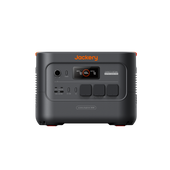
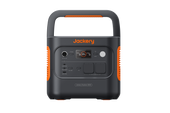
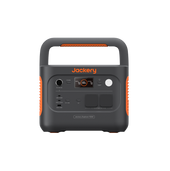
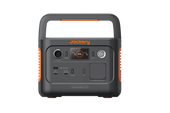
- Portable Power Station: Bringing a Jackery Explorer 300D or Jackery Explorer 500 v2 provides enough power to charge devices like your mobile phone multiple times while you are swimming in the lake.
|
Lake Swimming Gear Checklist |
|
|
Essential Swimming Gear |
Swimwear Swim Cap Goggles Water Shoes |
|
Gear for Warmth, Changing, and Comfort |
Quick-Dry Towel Windproof, Warm Outer Layer Waterproof Bag Moisture-Proof Mat |
|
Safety and Health Protection |
Float High-SPF Sunscreen Insect Repellent Drinking Water and High-Energy Snacks Portable Power Station |
This list is for reference only; please adjust the gear according to your specific needs.
For those who love lake swimming, a reliable portable power supply can elevate a simple dip into a refined outdoor experience. Whether you need to charge your camera or power a portable car fridge, a portable power station serves as an excellent backup. Here are two recommended models:
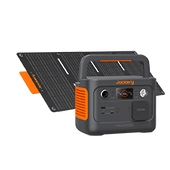
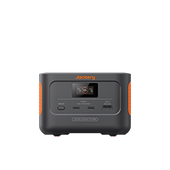
Jackery Explorer 300D Portable Power Station
Taking a Jackery Explorer 300D on a lake-swimming trip in Europe can help keep essential devices powered during long, hot days away from reliable sockets.
Its 288Wh LiFePO4 battery and USB-focused outputs are suitable for charging phones, cameras, tablets, rechargeable fans, lights and compatible USB-C laptops. This is useful for navigation, weather alerts, emergency communication, photography and keeping small cooling accessories running at a remote lakeside spot or campsite.
At around 2.5kg, the Explorer 300D is compact enough for a car, camper or larger day bag, while its quiet, fanless operation suits peaceful outdoor areas. It should always be kept well away from the water, protected from splashes and placed on a dry, shaded, ventilated surface.
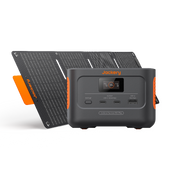
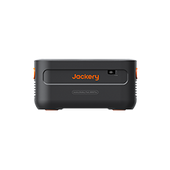
Jackery Explorer 500 v2 Portable Power Station
The Jackery Explorer 500 v2 upgrades performance while maintaining a manageable size, boasting an ample 512Wh capacity and 500W output power. It can continuously power a portable car fridge—allowing you to enjoy an ice-cold drink on a scorching summer day—while simultaneously charging multiple phones, easily meeting your power needs for a full day.
Its charging efficiency is equally impressive; it takes just 1.3 hours to charge from 0% to 100% via a wall outlet. If you are in a rush, you can charge it using your vehicle's 12V outlet while on the go, reaching full capacity in 6 hours.
Additionally, it features an auto-shutoff function that cuts power output after 6 hours of low-power usage (AC ≤25W; USB/Car Port ≤2W), helping to extend its overall runtime.

Practical Tips and Safety Advice for Lake Swimming in Europe
Natural lakes feature vast expanses of water, significant temperature fluctuations, and a lack of the enclosed boundaries found in artificial pools; therefore, prioritizing safety and environmental protection is essential while enjoying a refreshing swim. Here are 10 practical tips and safety recommendations for lake swimming:
Never Swim Alone
No matter how skilled a swimmer you are, open water presents risks such as sudden cramps, entanglement in underwater vegetation, or adverse reactions to cold water. Always swim with a companion and keep each other within sight.
Survey the Area Before Entering the Water
Before diving or stepping into an unfamiliar lake, assess your entry and exit points. Check for hidden sharp rocks, sudden drop-offs, or steep, mossy banks, and look out for dangerous currents or whirlpools on the surface.
Keep a Close Eye on the Weather
Many mountain lakes are prone to sudden thunderstorms or strong gusts of wind on summer afternoons. Always check the real-time weather forecast; if you notice signs of strong winds, heavy fog, or thunderstorms, stop swimming immediately.
Acclimatize Gradually to Cold Water
Water temperatures just below the surface in alpine or deep lakes can be icy. Avoid diving straight into deep water. Before entering, splash lake water on your hands, feet, chest, and the back of your neck to give your respiratory and cardiovascular systems time to adjust.
Wear a Wetsuit for Alpine Lakes
Alpine water sources often consist of snowmelt or mountain springs, keeping deep-water temperatures consistently cool. Wearing a 2mm–3mm wetsuit helps retain body heat and prevents hypothermia.
Do Not Swim After Drinking Alcohol
Swimming after consuming alcohol is strictly prohibited. Alcohol significantly slows reaction times, impairs the body's ability to regulate temperature in cold water, and fosters a false sense of confidence—making it a leading cause of accidents in open water.
Know Your Limits
Constantly assess your physical stamina and swimming ability; do not rashly attempt to swim to the middle of the lake or the opposite shore. In open water, it is recommended to tow a brightly colored safety float—this allows you to hold onto it and rest if you get tired, while also making you easily visible to people on shore.

Beyond Swimming: Other Ways to Cool Off by the Lake
In Europe, lakes are not just a paradise for swimming enthusiasts; they are also ideal vacation spots where families and groups of friends can enjoy the summer and escape the heat. Beyond simply taking a dip, here are four other ways to cool off by the lakeside:
Paddling and Board Sports
Paddling—whether by kayak or board—is a delightful way to get close to the water and explore hidden coves. For instance, at Lake Bled in Slovenia, you can rent a stand-up paddleboard (SUP) and leisurely paddle from the shore to the island in the middle of the lake. A portable power station like the Jackery Explorer 300D or 500 v2 fits perfectly in a kayak’s storage compartment, keeping your phone, action camera, or navigation device charged on the go.
Cold-Water Diving
Leaping into the deep, cool waters of a lake from a jetty, pier, or natural cliff is the most direct way to instantly shake off the heat. Many official lakeside bathing spots in Zurich (such as Seebad Enge), for example, feature dedicated high-diving platforms. Afterward, enjoy an ice-cold drink on the shore for the ultimate refreshing experience.
Cycling Around the Lake
Europe’s well-developed lakeside cycling paths allow you to ride through shady valleys and tree-lined routes. Lake Annecy in France boasts one of Europe’s most famous dedicated lakeside cycle paths (spanning approximately 40 kilometers). The route is smooth and flat, flanked by azure waters on one side and the majestic Alps on the other. If you get tired, you can stop at any time and jump into the lake to cool off.
FAQs
The following are the frequently asked questions about the best lakes in Europe for swimming in summer:
1. What are the best lakes for swimming in Europe?
Top picks include Lake Bled in Slovenia, Lake Garda and Lake Como in Italy, Lake Annecy in France, Lake Zurich in Switzerland, Lake Balaton in Hungary, and Lake Ohrid on the border between North Macedonia and Albania.
2. When is the best time to swim in European lakes?
July and August have the warmest water. Swim in the late morning or afternoon when the air is hottest, while early mornings provide calmer water and less people.
3. What are the most beautiful lakes to visit in Europe?
That totally depends on what you're pursuing. Lake Bohinj in Slovenia, Lake Como in Italy, and Jokulsarlon in Iceland offer breathtaking scenery. Lake Geneva and Lake Annecy are excellent destinations for anyone seeking a combination of stunning lakes, history, and delicious cuisine.
4. What is the warmest lake to swim in Europe?
Shallow lakes, such as Balaton and Lake Garda's southern coves, warm up the fastest, reaching 25 degrees Celsius or higher in the summer. Alpine lakes such as Bled and Como stay cooler, ranging from 15 to 22 degrees Celsius.
5. What is the cleanest lake in Europe?
Lake Annecy in France is generally considered as one of Europe's cleanest lakes, with exceptional water quality protected by strong environmental regulations. Switzerland's Lake Zurich is likewise immaculately clean, and Lake Como's deep, clear Alpine waters contribute to the continent's reputation for clean lakes.
6. Can you swim in the Plitvice Lakes?
No. Swimming is prohibited in Plitvice Lakes National Park to protect the fragile travertine formations. It is beautiful to visit, but not for bathing.
7. How do you stop shivering after swimming in cold water?
On leaving, immediately dry, removing all damp layers. A weather-resistant changing robe can keep heat from escaping your body as you dry. Dress swiftly with warm garments and a windproof outer layer. Enjoy a nice drink and a bite to eat.
8. What should you do if you’re tired or in trouble while open water swimming?
If you or someone else is fatigued or in distress, first float to safety: roll onto your back and hang on to your tow float. If necessary, seek assistance. If you need help while swimming in open water, dial 999 or 112 and ask for the coastguard.
Conclusion
Diving into Europe’s finest lakes is an unforgettable way to beat the summer heat and embrace nature. However, whether you are spending a full day lounging by the shore or paddling across tranquil waters, reliable power elevates your outdoor experience.
Portable power stations like the lightweight Jackery Explorer 300D keep your phones, action cameras, and drones charged during quick trips. For all-day family campouts, the robust Jackery Explorer 500 v2 seamlessly powers portable car fridges and devices. Equip yourself with the right gear, stay safe, and enjoy the ultimate lake-swimming getaway.


