



















Wildfires across Spain, France and other parts of Europe can affect residents, holidaymakers and outdoor travellers through evacuations, smoke, road closures and temporary service disruptions. Recent wildfire activity in areas such as Castellón, Ávila, Madrid and Toledo highlights why checking local conditions is more important than judging an entire country as unsafe.
This guide explains how to follow official wildfire alerts, check affected areas and postcodes, prepare an evacuation plan and protect your health from smoke exposure. It also covers practical steps for homes, campsites and travellers, including communication planning and backup electricity options during temporary power interruptions.
|
Key Takeaways:
|
Spain Wildfire Current Situation
The current Spain wildfire situation includes significant fires affecting parts of central and eastern Spain, with some areas requiring close monitoring and local safety measures. Key regions discussed in this guide include parts of Castellón, Ávila, Madrid and Toledo, where residents and visitors should follow updates from local authorities and civil-protection services.
Wildfires are also affecting France, making this part of a wider Europe wildfire situation across areas experiencing high temperatures, dry vegetation and increased fire risk. However, travellers should avoid judging an entire country by a single incident. Conditions can vary greatly between regions, towns and individual routes.
Anyone living in or travelling near an affected area should check their exact location through municipal alerts, regional emergency services and official travel information. If there is immediate danger from flames, heavy smoke or evacuation orders, call 112, the free emergency number available across the EU.
|
Your Situation |
First Action |
|
Fire or heavy smoke is visible |
Call 112 and follow official emergency instructions |
|
An evacuation alert has arrived |
Leave using the recommended route without delay |
|
Your postcode appears in an affected area |
Check local alerts and prepare essential items |
|
Travelling to Spain or France |
Check the exact town, route and accommodation status |
|
Smoke is nearby but there are no flames |
Close windows and doors, monitor alerts and protect health |
|
Electricity or mobile service is unstable |
Preserve phone battery and use backup power equipment safely |
The safest approach is to monitor the specific location you are concerned about rather than assuming all of Spain, France or Europe is affected equally.

(Data Source: Current Wildfires)
Where Are the Current Spain Wildfires?
Wildfire activity can change quickly depending on wind, temperature, humidity and firefighting progress. Instead of following every short-term update, travellers should focus on the affected provinces, local warnings and whether their exact route or accommodation is close to an active fire area.
Eastern Division: Castellón Province
In eastern Spain, affected areas include parts of Castellón province, particularly inland and southern areas. Several communities are located around the Serra d’Espadà mountain area, where dry vegetation and steep terrain can make firefighting more difficult.
The affected zone also includes larger population centres and surrounding municipalities such as Onda and La Vall d’Uixó. Visitors travelling through Castellón should check local road information and civil-protection notices before entering rural areas, hiking routes or smaller villages.
Central Division: Ávila, Madrid and Toledo
The wider central Spain wildfire situation extends across several provinces with different landscape conditions:
- Western Madrid: Areas close to forested zones and rural communities may face increased fire risks, smoke impacts or travel disruption.
- Eastern and Southern Ávila: Mountain areas and valleys can be affected by changing fire behaviour due to terrain and wind.
- San Juan Reservoir Area: Popular recreation areas require extra attention during wildfire alerts because visitors may be away from main roads.
- Alberche and Tiétar Valleys: Rural settlements, forests and holiday areas can experience evacuation notices or access restrictions.
- Toledo Province: Areas around Talavera de la Reina and surrounding communities may experience smoke, road changes or emergency measures.
Why Postcode and Municipality Checks Both Matter
Checking only a province name is not enough when planning travel or assessing personal risk.
|
Information Checked |
Why It Matters |
|
Postcode |
One postcode can include several villages, rural areas or scattered properties |
|
Municipality |
A town area and nearby countryside may have very different conditions |
|
Exact Accommodation |
A hotel, campsite or holiday home may be closer to a risk zone than expected |
|
Road Route |
Smoke, emergency vehicles and closures can affect areas outside the fire perimeter |
|
Local Alerts |
Authorities may issue warnings for only part of a wider region |
A wildfire warning may cover only a section of a postcode, while smoke, poor air quality or transport disruption can extend beyond the visible fire boundary. Always verify your exact location through municipal emergency channels, regional civil-protection services and official travel updates.
Current wildfire reports identify Castellón, Ávila, Madrid and Toledo among the areas requiring attention, with evacuation measures, access restrictions and road conditions changing as authorities respond to developing conditions.
Spain Wildfire Affected Areas and Postcodes
Postcode-level information can help residents and travellers check whether their destination is close to an area affected by wildfire activity. However, a postcode does not automatically mean that every street, village or property within that area faces the same level of risk. Fire boundaries, smoke conditions, road access and evacuation instructions can change rapidly.
División Este — Castellón
The following municipalities and localities in Castellón have been identified as areas requiring closer attention:
|
Municipality or locality |
Postcode |
|
La Vilavella |
12526 |
|
Almedíjar |
12413 |
|
Azuébar |
12490 |
|
Aín |
12222 |
|
Alcúdia de Veo |
12222 |
|
Artesa, Onda |
12200 |
|
Alfondeguilla |
12609 |
|
Tales |
12221 |
|
Eslida |
12528 |
|
Artana |
12527 |
|
Suera |
12223 |
|
Villamalur |
12224 |
|
Torralba del Pinar |
12225 |
|
Ayódar |
12224 |
|
Fuentes de Ayódar |
12225 |
|
Chóvar |
12499 |
|
Betxí |
12549 |
|
Onda |
12200 |
|
La Vall d’Uixó |
12600 |
División Centro — Ávila, Madrid and Toledo
The central affected areas include municipalities across Ávila, western Madrid and surrounding Toledo areas:
|
Municipality or locality |
Postcode |
|
El Hoyo de Pinares |
05250 |
|
Cebreros |
05260 |
|
Pantano de San Juan area |
05269 |
|
El Tiemblo |
05270 |
|
El Burguillo |
05278 |
|
La Atalaya |
05279 |
|
Cadalso de los Vidrios |
28640 |
|
Entrepinos |
28648 |
|
Rozas de Puerto Real |
28649 |
|
Cenicientos |
28650 |
|
Apartamentos Pronto |
28696 |
|
Navas del Rey |
28695 |
|
Villa del Prado |
28630 |
|
Sotillo de la Adrada |
05420 |
|
Fresnedilla |
05427 |
|
Casillas |
05428 |
|
Navahondilla |
05429 |
|
La Adrada |
05430 |
|
Piedralaves |
05440 |
|
Casavieja |
05450 |
|
Gavilanes |
05460 |
|
Burgohondo |
05113 |
|
Villanueva de Ávila |
05114 |
|
Navalagamella |
28212 |
|
Fresnedillas de la Oliva |
28214 |
|
Robledo de Chavela |
28294 |
|
Valdemaqueda |
28295 |
|
Chapinería |
28694 |
|
Navaluenga |
05100 |
Talavera-area postcodes
Areas around Talavera de la Reina should also be checked through local alerts. Relevant postcodes include:
45630, 45631, 45632, 45634, 45640, 45641, 45643, 45644, 45645 and 45918
These postcodes identify areas that may be influenced by wildfire conditions or require closer monitoring. They do not mean that all residents must evacuate or that every location is directly affected.
Before travelling or making safety decisions, check the latest information from municipal authorities, regional civil-protection services and emergency announcements. Smoke direction, road closures and evacuation zones can change independently from the official fire perimeter.
How to Check Whether Your Exact Location Is at Risk?
A wildfire warning covering a province or region does not automatically mean every town, hotel or campsite is unsafe. The most useful information comes from checking your exact location, travel route and official instructions rather than relying only on national headlines.

Check Official Sources in This Order
During a wildfire, information can change quickly. Use official emergency sources first:
-
Mobile emergency alerts and instructions from police or civil protection
Follow evacuation messages, road restrictions and safety instructions immediately. -
Municipal and regional authority channels
Local governments usually provide updates on affected neighbourhoods, access restrictions, shelters and service interruptions. -
Spain’s Civil Protection and emergency services
National and regional emergency organisations provide broader information about wildfire development and public safety measures. -
Local radio and trusted local news
These sources can provide practical updates on road closures, transport disruption and local conditions. -
European wildfire monitoring tools
The European Forest Fire Information System (EFFIS) provides wildfire risk information and forecasts across Europe. Copernicus emergency satellite mapping can support wider situational awareness during major events. However, satellite maps and risk tools should not replace local evacuation instructions or emergency orders.
Information to Check Before Travelling
Before leaving for Spain, France or another wildfire-affected region, confirm:
|
Check |
Details |
|
Is the accommodation still open? |
Hotels, campsites and holiday rentals may temporarily close |
|
Are access roads available? |
Fire response can cause short-notice road closures |
|
Are trains and buses operating? |
Transport services may change routes or schedules |
|
Is smoke affecting the route? |
Air quality and visibility can be affected far from flames |
|
Are water or electricity services working? |
Local infrastructure may be disrupted |
|
Does an alternative route pass through another risk area? |
Avoid simply moving into another affected zone |
|
Does travel insurance cover disruption? |
Policies differ for cancellations and evacuation-related costs |
How to Interpret Smoke When The Fire Is Farther Away
Smoke does not always mean that flames are nearby. Wind can carry smoke many kilometres beyond the active wildfire area, causing haze, unusual smells or reduced visibility in places where there is no immediate fire threat.
However, changing conditions require attention. Falling ash, rapidly increasing smoke, poor visibility, official warnings or emergency alerts should be treated seriously. Move indoors, close windows and doors if advised, and continue monitoring official updates.
For travellers, the safest approach is not to avoid an entire country, but to check the exact municipality, accommodation and route before and during the journey. Wildfire conditions can differ significantly between nearby areas.
France Wildfire and the Wider Europe Wildfire Situation
The current France wildfire situation is part of a broader pattern of increased wildfire pressure across parts of southern and southwestern Europe. For travellers moving between Spain and France, checking conditions on both sides of the border is important because smoke, road closures and emergency measures can affect routes beyond the location of the active fire.
What Is Happening in France?
Southwestern France regularly faces elevated wildfire risk during periods of extreme heat, dry conditions and strong winds. Forest areas, rural communities and some tourist destinations can be affected by fires, evacuation measures or temporary access restrictions.
Travellers crossing between Spain and France should not only check their final destination but also the full journey route. A motorway may remain open while smaller roads, hiking areas, campsites or rural accommodation nearby are restricted.
Why This Is a Europe-Wide Issue
Wildfires are not limited by national borders. During periods when several countries experience high fire risk at the same time, emergency services may need to coordinate resources across Europe.
Key factors include:
- Mediterranean heat and prolonged dry vegetation increasing fire risk.
- Smoke travelling across regional and national boundaries.
- Shared use of firefighting aircraft, helicopters and specialist teams.
- Higher demand for emergency resources when several large fires occur simultaneously.
- Travel disruption affecting roads, accommodation and outdoor activities.
The EU has supported wildfire response through coordinated assistance between member states, including aircraft, vehicles and emergency personnel when national resources are under pressure.
A wildfire situation does not mean that all of Spain or France is unsafe. Conditions can vary greatly between regions, and many areas continue operating normally. The most reliable approach is to monitor the specific town, travel route and official local guidance before changing plans.

(Data Source: Joint Research Centre)
How to Prepare for a Wildfire Before an Evacuation Order?
Wildfire preparation is most effective before smoke, flames or evacuation messages appear. A clear plan reduces the need to make decisions under pressure and helps households, travellers and outdoor visitors leave safely if conditions change. The goal is not to predict every situation, but to prepare the essentials: where to go, what to take and how to stay connected.
Make a Household Wildfire Plan
Every household should decide in advance how to respond if an evacuation becomes necessary. A basic wildfire plan should include:
Two possible exit routes in case one road is blocked.
A meeting point away from the affected area if family members become separated.
Clear responsibilities for children, older adults or people requiring assistance.
A plan for collecting and transporting pets.
An emergency contact outside the affected region who can share information.
A simple communication plan for visitors or tourists who do not speak the local language.
For holidaymakers, save accommodation details, local emergency information and transport options before arriving. Do not rely only on mobile internet access, as networks can become congested during emergencies.
Prepare a Wildfire Evacuation Bag
A ready-to-go bag allows people to leave quickly without searching for documents and supplies.
|
Category |
What to Pack |
|
Identity |
Passports, ID cards, residency documents and copies of important papers |
|
Communication |
Phones, charging cables, power banks and written emergency contacts |
|
Health |
Medication, prescriptions, glasses, basic first-aid supplies |
|
Water and food |
Bottled water and ready-to-eat food |
|
Clothing |
Long trousers, sturdy footwear and a change of clothes |
|
Smoke protection |
Well-fitting particulate masks where available |
|
Navigation |
Offline maps, printed routes and vehicle keys |
|
Pets |
Carriers, leads, food, water and veterinary records |
|
Finance |
Bank cards and a small amount of cash |
|
Property |
Insurance details and photographs of important belongings |
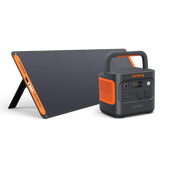
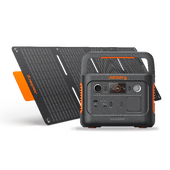
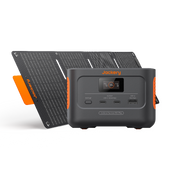
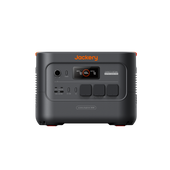
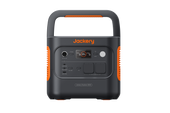
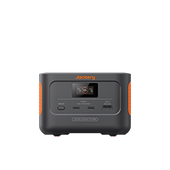
For longer journeys or remote travel, a portable power source can help maintain phones, communication devices and essential equipment when electricity is unavailable. Products such as the Jackery Solar Generator 2000 v2 or Solar Generator 3000 v2 can provide temporary power for charging devices or running selected low-power equipment, provided they are used according to their specifications.

Keep the Vehicle Ready
A vehicle may become an important part of an evacuation plan. Keep it prepared before wildfire conditions worsen.
Important steps include:
- Maintain enough fuel or battery charge to leave without delay.
- Park facing the direction of departure where possible.
- Keep keys in a known and accessible location.
- Avoid parking where emergency vehicles need access.
- Store water, masks and a phone charger inside the vehicle.
- Check that tyres, lights and basic equipment are ready for travel.
Never drive through flames, thick smoke, fallen debris or roads closed by authorities. Reduced visibility and changing fire behaviour can make a route unsafe within minutes.
Prepare for Communication Failure
During major wildfire events, mobile networks can become overloaded. Prepare alternatives:
- Write important telephone numbers on paper.
- Download offline maps before travelling.
- Save accommodation, meeting-point and emergency addresses.
- Keep a battery radio where appropriate.
- Agree on a short check-in message with family members to avoid unnecessary calls.
Spanish Civil Protection advises reporting a fire immediately by calling 112 and following official emergency instructions. It also recommends using authorised camping areas, where safety procedures and evacuation arrangements are easier to manage. Preparation cannot remove wildfire risk, but it can make decisions faster and safer when conditions change.
How to Make a Home Less Vulnerable to Embers and Fire?
Evacuation preparation focuses on leaving safely, while home preparation focuses on reducing avoidable risks before a wildfire arrives. Many homes are not ignited by direct flames but by embers carried by wind, which can enter small gaps, collect in dry materials or land near combustible objects. Reducing these weak points can improve the chance that a property withstands nearby fire activity.
The Area Immediately Around the Building
The space around a building can influence how easily fire spreads. Keep the immediate surroundings maintained, especially during dry and hot periods.
Important measures include:
- Remove dry leaves, dead vegetation and accumulated plant material near buildings.
- Clear roofs, balconies, terraces and gutters regularly.
- Move firewood, gas cylinders and other combustible materials away from exterior walls.
- Keep entrances, driveways and access routes clear for emergency vehicles.
- Avoid leaving cardboard, outdoor textiles, furniture cushions or other flammable items beside windows and doors.
Vegetation management should follow local rules rather than becoming a last-minute activity during an active wildfire. Some regions have specific requirements for clearing vegetation around properties, particularly in high-risk areas.
Doors, Windows, Vents and Roofs
Small openings can become entry points for burning embers. Regular maintenance before wildfire season can reduce these vulnerabilities. Check:
- Roof tiles and coverings for damage or gaps.
- Areas around windows, doors and vents where embers could collect.
- Shutters, frames and external coverings to ensure they close correctly.
- Ventilation openings and whether mechanical systems can be switched off safely when authorities recommend it.
Where permitted by local regulations, suitable metal mesh on vents may help reduce ember entry. However, these measures should be installed before an emergency. Do not attempt roof repairs, climb onto buildings or carry out external work once smoke or fire is nearby.
What Not to Do at the Last Minute
When a wildfire is approaching, some actions can create additional danger rather than improve protection. Avoid:
- Burning garden waste or vegetation.
- Using power tools that may produce sparks.
- Starting major gardening or vegetation removal while fire conditions are developing.
- Leaving sprinklers running if authorities have introduced water restrictions.
- Staying behind only to protect property after an official evacuation order.
Water supplies, roads and emergency services may already be under pressure during severe wildfire events. Personal safety should remain the priority.
French wildfire safety guidance also highlights the importance of reducing combustible materials near homes, keeping fuel sources away from buildings and maintaining clear access for firefighters. Similar principles apply across many wildfire-prone areas in Europe: preparation before the fire arrives is far more effective than attempting major changes during an emergency.

What to Do When a Wildfire Alert or Evacuation Order Arrives?
When a wildfire develops nearby, decisions often need to be made quickly. The safest response depends on the official instruction you receive. Do not rely on social media rumours, personal judgement of the fire distance or advice from unofficial sources. Follow emergency services, civil protection authorities and local alerts.
If Authorities Tell You to Evacuate
An evacuation order means the safest option is to leave. Do not wait to see whether conditions improve. Key actions:
- Leave immediately using the route recommended by authorities.
- Take people, pets, medication, important documents and your prepared emergency bag.
- Close doors and windows if this can be done safely without delaying departure.
- Tell a family member or trusted contact where you are going.
- Do not return for forgotten belongings.
- Avoid creating additional risks for emergency teams.
Do not use drones near wildfire areas. Firefighting aircraft operate at low altitude, and drones can interfere with emergency operations or create additional hazards.
If Authorities Advise You to Remain Indoors
In some situations, authorities may recommend staying inside temporarily rather than evacuating. Actions to take:
- Close windows, doors and other openings to reduce smoke entering the building.
- Follow official advice about ventilation systems and air-conditioning use.
- Keep household members together and ensure everyone understands the situation.
- Continue monitoring official alerts through reliable channels.
- Prepare essential items in case evacuation instructions change.
Remaining indoors is not a permanent guarantee of safety. If authorities later issue evacuation instructions, leave promptly.
If You Are Outdoors
If you encounter wildfire conditions while hiking, camping or travelling:
- Call 112 and provide your location as clearly as possible.
- Move away from vegetation and the direction of fire spread when it is safe to do so.
- Follow instructions from emergency personnel.
- Avoid valleys, gullies, steep enclosed terrain and areas filled with heavy smoke.
Do not rely on improvised shelter ideas or assume that a nearby reservoir, swimming pool or vehicle will provide reliable protection. Wildfire behaviour can change rapidly because of wind, terrain and changing weather conditions.
If you are camping or travelling with electrical equipment, keep essential devices such as phones, communication equipment and navigation tools charged before conditions worsen. A portable power source such as a Jackery Solar Generator 2000 v2 or 3000 v2 may help maintain basic device power during temporary outages, but it should never delay evacuation or replace official emergency instructions.
The priority during a wildfire is simple: follow official instructions, leave early when ordered and avoid actions that put yourself or emergency responders at greater risk.

Wildfire Smoke: Protecting Health Indoors and While Travelling
Wildfire smoke can affect people many kilometres away from the active fire zone. Even when evacuation is not required, smoke particles can reduce air quality, affect visibility and worsen health conditions. Travellers and residents should pay attention not only to flames but also to smoke direction, air-quality information and personal health needs.
Who Needs Additional Care?
Some people may be more sensitive to wildfire smoke and should take extra precautions:
- Children, whose lungs are still developing.
- Older adults.
- Pregnant people.
- People with asthma, heart disease or other respiratory conditions.
- Outdoor workers who spend extended periods in smoky conditions.
- Pets, especially animals with existing breathing problems.
People with existing medical conditions should follow advice from healthcare professionals about medication, activity levels and when to seek medical support. Anyone experiencing serious symptoms should contact appropriate healthcare services.
Reducing Indoor Smoke Exposure
When outdoor air is affected by smoke, reduce the amount entering the home, accommodation or vehicle. Helpful measures include:
- Close windows and doors when smoke levels are high.
- Use a cleaner indoor room where possible.
- Avoid indoor activities that create additional particles, such as smoking, burning candles or unnecessary combustion.
- Use suitable air filtration equipment according to the manufacturer’s instructions.
- Avoid bringing ash indoors on clothing, shoes or equipment.
- Do not use fans that pull smoky outdoor air inside or spread contaminated air around the room.
Air-conditioning or ventilation systems should be managed according to local health advice and the system design. Opening windows to cool a building may not be suitable when outside air quality is poor.
For people travelling with portable equipment, keeping phones and communication devices charged can help during smoke events or temporary service disruption. A portable power source such as a Jackery Solar Generator 2000 v2 or 3000 v2 can provide temporary electricity for selected devices, but it does not improve air quality or replace proper ventilation and filtration measures.
Driving in Smoke
Smoke can reduce visibility suddenly, especially near active fires or areas affected by changing winds. If driving in smoky conditions:
- Reduce speed safely and avoid stopping in an active traffic lane.
- Turn on vehicle lights so other road users can see you.
- Keep windows closed.
- Use the vehicle’s air recirculation setting temporarily where appropriate.
- Turn around if visibility becomes unsafe or authorities restrict access.
- Never follow emergency vehicles into closed roads or restricted areas.
Wildfire smoke conditions can change quickly. Check official warnings before travelling, and avoid unnecessary journeys through affected areas. If you have breathing difficulties, chest symptoms or concerns related to smoke exposure, seek professional medical advice rather than relying on general guidance alone.
Power Cuts and Communication: Preparing Backup Electricity Safely
Wildfires can affect more than the immediate fire area. Even when evacuation is not required, damaged infrastructure, planned safety measures or emergency operations may interrupt electricity and mobile services. A short-term power plan can help maintain essential communication and basic household needs.
|
*Possible Impacts Include:
|
Using Portable Backup Power During Wildfire Disruption
A portable power station can provide temporary electricity when the mains supply is unavailable. However, it should be treated as a support tool, not as a reason to remain in an evacuated or unsafe area.
The Jackery Solar Generator 2000 v2 may suit households looking for portable backup power for essential devices such as phones, LED lighting, radios, routers and selected appliances during shorter outages. It provides 2,042Wh capacity and 2,200W continuous AC output, making it suitable for planning around specific essential loads rather than powering an entire home.

For households with higher energy needs, the Jackery Solar Generator 3000 v2 offers 3,072Wh capacity, 3,600W continuous AC output and a larger energy reserve for several compatible devices. It may be considered when longer support is needed for communication equipment, refrigeration or multiple essential loads.
Before relying on any backup system:
Calculate the wattage and expected runtime of each essential device.
Prioritise phones, lights, radios and medically important equipment.
Charge the unit before periods of high wildfire risk.
Store it somewhere accessible so it can be collected quickly.
Take only equipment that can be carried without delaying evacuation.
|
Device |
Priority |
Planning point |
|
Mobile phone |
High |
Keep emergency alerts enabled and maintain battery capacity |
|
LED light |
High |
Safer than using candles during outages |
|
Battery radio |
High |
Useful if internet access fails |
|
Router |
Medium |
Consider whether mobile networks are also affected |
|
Refrigerator |
Situation-dependent |
Reduce door opening and check food safety |
|
Medical equipment |
Critical |
Confirm compatibility and maintain a separate emergency plan |
|
Fan or air purifier |
Situation-dependent |
Use only when indoor-air advice supports it |
Solar panels can help recharge equipment after reaching a safe location, but they should never be set up during active fire conditions, falling embers, heavy smoke or evacuation activity. Keep cables away from escape routes, follow the equipment manual and never exceed charging or output limits.
Backup electricity improves preparedness, but it does not replace evacuation decisions or official emergency instructions. Safety always comes before protecting equipment or property.
Wildfire Travel Advice for Spain, France and Europe
Wildfires do not automatically mean that an entire country or holiday region is unsafe. Travel decisions should be based on the specific location, current conditions and official advice rather than general headlines. A coastal town far from an active incident may have completely different conditions from a nearby inland area affected by smoke or road restrictions.
Should You Cancel a Trip?
Whether to continue, postpone or cancel a journey depends on several factors:
| Factor | Detail |
| Exact Destination |
Check the town, campsite, hotel or holiday area rather than only the country name. |
| Distance from the Active Incident |
A fire several kilometres away may have no direct impact, while smoke or road closures may still affect nearby areas. |
| Access Routes |
Check whether roads, rail connections or airports are operating normally. |
| Air Quality |
Smoke conditions can affect comfort and health even outside evacuation zones. |
| Accommodation Status |
Confirm whether the property remains open and accessible. |
| Local Authority Advice |
Follow municipal and regional emergency instructions. |
| Personal Health |
People with respiratory conditions or other vulnerabilities may need additional precautions. |
| Refund and Insurance Terms |
Check cancellation rules and wildfire-related coverage before changing plans. |
Questions to ask the hotel or campsite
Before travelling to an affected region, contact the accommodation provider and ask:
| Question | Importance |
| Is the property open? | Operations may change during wildfire events |
| Is it inside an alert or evacuation zone? | Determines whether special measures apply |
| Which access roads are usable? | Routes may close with little notice |
| Is smoke affecting the property? | Air quality may impact comfort |
| Are electricity and water available? | Infrastructure can be temporarily disrupted |
| What is the local evacuation procedure? |
Helps guests respond quickly |
| Can guests with pets be accommodated? | Important during emergency relocation |
| Where is the nearest safe assembly point? | Useful if evacuation becomes necessary |
Camping, Caravans and Motorhomes
Outdoor travellers should take additional precautions during wildfire season. Campers, caravan users and motorhome owners should:
- Use authorised campsites and approved camping areas.
- Avoid informal forest tracks or isolated areas during periods of extreme fire danger.
- Keep the vehicle positioned so departure is possible without complex manoeuvring.
- Follow local restrictions on barbecues, open flames and spark-producing equipment.
- Avoid parking on dry grass, as hot exhaust systems or vehicle components may create ignition risks.
- Keep emergency contacts, navigation information and essential supplies accessible.
Portable equipment such as power stations, cooking devices and outdoor appliances should be used responsibly. During wildfire warnings, reducing ignition risks is more important than maintaining normal outdoor routines.
For travellers across Spain, France and other parts of Europe, the safest approach is flexible planning: check conditions before departure, stay informed during the trip and be prepared to change routes if local authorities recommend avoiding an area.

After an Evacuation: Returning Home Safely
Leaving an area during a wildfire is only the first step. Returning home too early can create additional risks because fire damage may not always be visible. Roads, buildings, electricity networks and water systems may remain unsafe even after flames have been controlled.
Only return when authorities have officially confirmed that access is permitted. After returning, expect possible hazards such as damaged roads, fallen trees, unstable structures and disrupted utilities.
Checking Your Property After a Wildfire
When authorities confirm that it is safe to return, remain cautious. Do not touch damaged electrical cables, appliances or utility connections, and keep children and pets away from debris, unstable structures and potentially contaminated materials. Photograph any damage before cleaning or removing items, provided it is safe to do so.
Contact your insurance provider promptly, keep records of damage, repairs and related expenses, and dispose of food affected by prolonged power loss, smoke or contamination in line with local health guidance. Avoid sweeping or disturbing ash without suitable protection, as fine particles can easily become airborne.
Check on neighbours only after authorities confirm that access is safe, and continue monitoring official updates because changing winds or new outbreaks may create further danger. Do not assume that a property is safe simply because the visible flames have disappeared. Hidden hot spots, damaged infrastructure, weakened buildings and smouldering materials can remain hazardous long after the main fire has passed.
Helping Children and Family Members After Evacuation
A wildfire evacuation can be stressful even after everyone has returned safely. Children and adults may react differently depending on their age and experience.
Helpful steps include maintaining familiar routines where possible, explaining what happened using clear and age-appropriate language, and allowing family members to ask questions. Avoid repeated exposure to distressing images or continuous wildfire footage, especially for younger children.
Recovery after a wildfire is not only about repairing buildings. Restoring a sense of safety, routine and connection can also be an important part of returning to normal life.
Wildfire Preparation Checklist
A wildfire plan works best when it is prepared before smoke appears or evacuation instructions are issued. Use this checklist to organise essential documents, communication tools, transport and household preparations before conditions become urgent.
Before the Alert
☐ Enable emergency notifications on your phone
☐ Identify two possible evacuation routes
☐ Prepare important documents and necessary medication
☐ Pack supplies for pets, including food, water and transport equipment
☐ Charge phones, power banks and backup electricity equipment
☐ Download offline maps and save important addresses
☐ Remove dry vegetation and combustible materials near the home
☐ Keep the vehicle fuelled or sufficiently charged
☐ Photograph valuable belongings for insurance records
☐ Check insurance contact details and emergency procedures
When the Risk Rises
☐ Monitor official wildfire warnings and local instructions
☐ Bring outdoor furniture, fabrics and loose items indoors where possible
☐ Keep family members together and confirm the emergency plan
☐ Place shoes, keys, documents and evacuation bags near an exit
☐ Inform relatives or a trusted contact about your plan
☐ Avoid unnecessary travel into affected areas
☐ Keep pets ready for transport
☐ Leave immediately when authorities issue an evacuation order
A checklist cannot prevent wildfire, but it can reduce delays when decisions need to be made quickly. The most important preparation is knowing when to leave, where to go and how to stay informed.
For travellers, campers and remote-area visitors, preparation should also include checking local fire-risk levels before arrival, following restrictions on outdoor activities and keeping essential communication equipment ready. In wildfire conditions, early action is usually safer than waiting until roads, smoke and emergency services become more difficult to manage.
FAQs
The following are the frequently asked questions about the Spain wildfire (France wildfire and other Europe wildfire included):
1. Is Madrid affected by the Spain wildfire?
Madrid province can be affected by wildfire activity, particularly in rural and forested areas around the western and northern parts of the region.
However, wildfire conditions are highly localised. A fire warning in one municipality does not mean that the entire Madrid region is unsafe. Travellers should check their exact destination, accommodation and route through local authorities before making decisions.
2. Is it safe to travel to Spain during the wildfires?
Travel to Spain may still be possible because wildfire impacts are usually limited to specific areas. Before travelling, check the exact location, current fire alerts, road conditions, accommodation status and any advice from local authorities. Avoid affected areas when restrictions or evacuation measures are in place, and remain prepared to change plans if conditions develop.
3. Are there wildfires in France?
Yes, France can also experience significant wildfire activity, especially in southern and southwestern regions during periods of extreme heat and dry conditions. Travellers moving between Spain and France should check both countries because smoke, road closures and emergency measures can affect cross-border routes.
4. Is Europe experiencing more wildfires?
Many parts of Europe, especially Mediterranean regions, face increasing wildfire challenges due to combinations of high temperatures, dry vegetation, drought conditions and strong winds. However, wildfire risk varies significantly between countries and regions. A Europe wildfire situation does not mean that every destination is affected.
5. What should I take during a wildfire evacuation?
Prepare essential items that allow you to leave quickly:
- Identification documents and important papers.
- Medication and basic health supplies.
- Phone, charging cables and backup batteries.
- Water and ready-to-eat food.
- Suitable clothing and sturdy shoes.
- Pet supplies if travelling with animals.
- Insurance details and photographs of important belongings.
- Offline maps and emergency contact information.
A prepared evacuation bag reduces delays when authorities issue urgent instructions.
6. Should I leave before an official evacuation order?
Follow official emergency advice. If authorities recommend evacuation or conditions are becoming unsafe, leaving early can reduce risks caused by smoke, road congestion or changing fire behaviour. Do not wait until flames are visible nearby if local authorities have advised residents to prepare or leave.
However, do not create additional risks by evacuating into another dangerous area. Check official routes and follow instructions from emergency services.
7. What should I do if wildfire smoke reaches my area?
If smoke affects your location:
- Close windows and doors when outdoor air quality is poor.
- Reduce activities that create indoor particles, such as burning candles or smoking.
- Follow local health advice about masks, ventilation and air filtration.
- Limit outdoor activity if smoke levels are high.
- Keep vulnerable people and pets away from heavy smoke exposure.
People with asthma, heart conditions or breathing difficulties should follow advice from healthcare professionals and seek medical help if symptoms are concerning.
8. What is the emergency number in Spain and France?
The emergency number in both Spain and France is 112. It is free to call from mobile and fixed phones and connects people with emergency services.
When calling, provide:
Your exact location or nearest landmark.
What you can see (flames, smoke, road blockage).
The number of people affected.
Any immediate dangers, such as trapped people or vulnerable individuals.
For wildfire situations, accurate location information can help emergency teams respond more effectively.
Final Thoughts
Wildfires in Spain, France and across Europe show why preparation matters before an emergency develops. A safe response starts with accurate information: check local alerts, understand evacuation routes and avoid making decisions based only on national headlines. Whether you are a resident, camper, caravan traveller or holiday visitor, simple preparation can reduce stress during rapidly changing conditions.
Keep essential documents accessible, maintain communication options and know how to respond if smoke, road closures or evacuation orders affect your area. Portable power solutions can support basic electricity needs during temporary disruptions, but the priority remains following emergency services and leaving when instructed. Staying informed and prepared is the most reliable way to manage wildfire risks.


