















As summer heatwaves become increasingly frequent, travelers are increasingly drawn to European summer retreats in search of a cool and refreshing vacation experience. Northern and Central Europe offer the perfect escape with mild temperatures, pristine landscapes, and vibrant outdoor activities.
From the dramatic peaks of the Dolomites to the white nights of Lapland, exploring these cooler high-latitude and high-altitude destinations lets you enjoy summer to the fullest without the unbearable heat. Below is your ultimate guide to the coolest places in Europe, essential gear, and practical tips for an unforgettable, comfortable getaway.
|
Key Takeaways: |
|
Coolest Places in Europe During Summer: 10 Best Destinations to Escape the Heat
Heatwaves have become more common worldwide in recent years. If you need a break from the oppressive heat, it's time to embrace the "coolcation". In the context of Europe, this indicates that travellers are moving away from the Mediterranean coast and toward Northern and Central Europe, where the temperature is pleasant. Dive into this round-up of 10 coolcation spots in Europe.

1. The Faroe Islands (Denmark)
This little Danish archipelago, located between Iceland and Scotland, has a consistently cold climate even during the peak European tourist season. Temperatures seldom get over 14°C in July and August, and the regular rainfall and wind ensure that the scenery remains lush green all year.
- Location: Situated in the central North Atlantic, between Scotland and Iceland.
- Average Summer Temperature: 11–14°C
- Notes: The weather is extremely changeable; please wear a waterproof, windproof jacket and professional hiking shoes.
2. Lapland (Sweden)
Lapland is a destination for individuals who want to be cool in the summer while simultaneously being near to untamed nature and empty areas. Here summer means white nights, the gentle light of the sun at midnight, quiet, space and the possibility of a real breather from the everyday rush.
- Location: Northernmost Sweden; the majority of the region lies within the Arctic Circle.
- Average Summer Temperature: 12–18°C
- Notes: The period of the midnight sun can disrupt your circadian rhythm, so be sure to pack an eye mask.
3. The Isle of Skye (Scotland)
Summers here are brief, chilly, and frequently wet, with temperatures seldom exceeding 17°C. It's a true paradise for those who enjoy trekking, photography, nature, and peace and quiet, where instead of the hustle and bustle of beaches and resorts, you'll find the rush of wind, sheep in the meadows, and vistas that will remain with you forever.
- Location: The largest island in the northwest of the Scottish Highlands.
- Average Summer Temperature: 13–17°C
- Notes: Peak season for Scottish midges—be sure to purchase local midge repellent spray.
4. The Wicklow Mountains (Ireland)
This scenic region is characterised by gentle hills, moorlands, valleys, and lakes, as well as a moderate, cold temperature that seldom reaches 18°C even in the height of summer. It is a great proposition for individuals seeking nature, serenity, and fresh air while getting away from the hustle and bustle of the city and hot resorts.
- Location: Southeastern Ireland, just a one-hour drive from the capital, Dublin.
- Average Summer Temperature: 14–18°C
- Notes: Mountain roads are narrow and winding; drive carefully to avoid oncoming traffic and flocks of sheep wandering along the roadside.
5. Chamonix-Mont-Blanc (France)
The refreshing Alpine air lets you spend time actively without being tired by the heat. Chamonix is an ideal place for those who are looking for respite in the mountains, both in the form of lazy walks and more ambitious treks.
- Location: Northeastern France, bordering Switzerland and Italy, situated at the foot of Mont Blanc in the Alps.
- Average Summer Temperature: 14–20°C
- Notes: Be sure to bring a down jacket, sunglasses, and sunscreen; the risk of sunburn is high, and there are significant temperature fluctuations.
6. Bergen (Norway)
Located on Norway's western coast, surrounded by mountains and magnificent fjords, the city's temperature seldom rises beyond 18°C in July and August. The frequent rains and sea wind keep the air fresh and invigorating, and the surroundings are lush with foliage and striking contrasts.
- Location: West coast of Norway
- Average Summer Temperature: 15–18°C
- Notes: Be prepared for rain; bring rain gear and waterproof clothing.
7. The Dolomites (Italy)
Northern Italy—especially the Dolomites—boasts a pleasant, mild climate and magnificent natural scenery during the summer. It's a paradise for lovers of walking hikes, bikes, mountain lakes and idyllic Alpine towns.
- Location: The Alpine region of northeastern Italy.
- Average Summer Temperature: 15–21°C
- Notes: Cable cars and hotels require booking several months in advance.

8. Brittany (France)
The Atlantic climate, cool sea currents, and proximity to the ocean result in mild temperatures, brisk air, and a refreshing breeze. It's an excellent location for individuals who like beautiful scenery, intimate beaches, cliffs, castles, good food, and local customs.
- Location: A peninsula in northwestern France extending into the Atlantic Ocean.
- Average Summer Temperature: 18–22°C
- Notes: When strolling along the beach or exploring rocky areas, always pay attention to the tide schedule to avoid getting stranded on the rocks.
9. Asturias (Spain)
It is a green, Atlantic location in the country's north that offers moderate, agreeable temperatures and lush, plentiful environment during the summer. Because of the ocean's effect, Asturias maintains a temperate climate even during the hottest months, allowing for enjoyable touring, walking, and lounging on the beach without blistering heat.
- Location: Northwestern Spain, bordering the Bay of Biscay.
- Average Summer Temperature: 18–24°C
- Notes: The Atlantic waters along the northern coast are quite cold; swimming requires a certain tolerance for low temperatures.
10. Madeira (Portugal)
In the summer, when mainland Europe experiences heatwaves, Madeira's thermometers seldom get over 25°C, and the lovely sea wind and thick flora keep the environment cool and agreeable. It's an excellent choice for anyone looking to mix relaxing with active sightseeing.
- Location: In the North Atlantic Ocean, off the northwest coast of Africa.
- Average Summer Temperature: 20–25°C
- Notes: The terrain on the island is extremely steep, with narrow, very steeply graded mountain roads; renting a powerful car with an automatic transmission is recommended.
How to Fully Experience a European Summer in Cool Comfort?
When visiting Europe’s summer retreats, consider incorporating activities like hiking, picnicking, swimming, and surfing into your itinerary—whether to enrich your experience or simply pass the time. These activities allow you to embrace nature while cleverly escaping the scorching heat.

Mountain Hiking
To stay cool, head to higher latitudes or high-altitude mountain regions. Hiking through vast primeval forests, alpine meadows, or along winding fjords offers not only fresh air but also a noticeably cooler climate.
- High-Altitude Alpine Stroll: In Chamonix, France, hike the Grand Balcon Sud trail with a thousand-meter-deep valley on your left and the glaciers of Mont Blanc seemingly within arm's reach on your right.
- Limestone Peaks: Hike across meadows at an altitude of 2,000 meters in the Italian Dolomites, enjoying the breeze and the pink hues of the sunset.
- Hiking During the Polar White Night: On the Kungsleden trail in Swedish Lapland, you can experience trekking through forests and tundra at midnight.
Meadow Picnics
Find a scenic patch of green in the cool outdoors, spread out a picnic blanket, and indulge in fresh local delicacies such as cheese, ham, and colorful fruit.
- French Tea-Time with a View: In Brittany, France, enjoy an Atlantic-style picnic featuring local buckwheat galettes and chilled, lightly alcoholic cider.
- Emerald Valley Picnic: Savor Irish cheese and artisanal bread by the shores of Glendalough in Ireland’s Wicklow Mountains.
- Lunch Overlooking the Fjord: Take the funicular up Mount Fløyen in Bergen, Norway, to gaze out at the colorful wooden houses set against the water, and then enjoy some local cuisine.
Water Activities
Beyond the traditional coastline, many cities offer designated swimming areas in rivers and lakes. Diving into cool water during the sweltering summer is the most direct way to beat the heat.
- Swimming in a Hidden Oasis: In Asturias, Spain, visit Playa de Gulpiyuri—one of the world's rare inland cliff beaches—where seawater surges through rock crevices to form a natural, secluded swimming pool.
- Subtropical Natural Volcanic Sea Pools: Dive into natural seawater pools formed by black volcanic lava in Porto Moniz on the island of Madeira, Portugal.
- Cold-Water Surfing in Scotland: Experience world-class cold-water waves at Thurso East (near the Isle of Skye) or Staffin Bay on the Isle of Skye itself.
Checklist: Essential Gear for a Cool European Summer Trip
Proper gear is essential for a cool and comfortable summer journey. To ensure you can fully enjoy immersive experiences—such as hiking, picnicking, and surfing—while confidently handling the changeable weather and unique infrastructure of high-latitude Nordic regions, we have compiled a comprehensive list of must-have gear (for reference only):

Clothing & Layers
In cooler regions, the flexible "onion-style" layering method is key to maintaining comfort.
- Quick-Dry Short-Sleeve or Long-Sleeve T-Shirts: Avoid pure cotton; if it gets wet and exposed to the wind, you can easily catch a cold.
- Fleece Jacket: Essential for high-altitude areas (above 2,000 meters) or within the Arctic Circle; crucial for mornings and evenings.
- Hard-Shell Jacket: Frequent rain and strong winds are common in highlands and coastal areas; a jacket with Gore-Tex (or equivalent windproof and waterproof ratings) is a necessity.
- Windproof, Quick-Dry Trousers: Avoid jeans—they are extremely difficult to dry once wet.
- Mid- or Low-Cut Waterproof Hiking Shoes: GORE-TEX material is recommended to handle wet, muddy mountain trails and rocky paths.
Sun and Wind Protection
UV radiation is often stronger at high altitudes and by the sea, making protection crucial.
- High-SPF Sunscreen: SPF50+ and sweat/water-resistant formulas are recommended.
- UV-Protective Sunglasses: Glare from glaciers, lakes, and alpine meadows is intense; UV400-rated sunglasses are a must.
- Hats: A sun hat for daytime sun protection and a lightweight beanie for strong, cold winds.
- Lip Balm and Deeply Moisturizing Face Cream: High-altitude winds and dry air can easily cause chapped lips and cracked skin.
Outdoor Activity Gear
Specialised gear for activities such as hiking, picnicking, lake swimming, and surfing:
- Wild Swimming and Water Activities: Quick-dry swimwear, a brightly colored tow float (for visibility), a thermal wetsuit, a quick-dry towel, etc.
- Mountain Hiking and Picnicking: Backpack, trekking poles, an ultralight portable picnic mat, midge/insect repellent, etc.
Electronics and Handy Accessories
To ensure a more comfortable and enjoyable trip, consider packing the following items:
- Light-Blocking Eye Mask: When traveling to Northern Europe or the Arctic Circle (such as Swedish Lapland or Norway) during June and July, the region experiences the "Midnight Sun" (continuous daylight); an eye mask is essential for a good night's sleep.
- Waterproof Bag: To protect your electronic devices during activities like kayaking or lake swimming, or in the event of a sudden downpour while hiking.
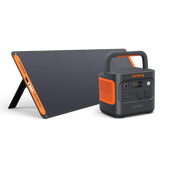
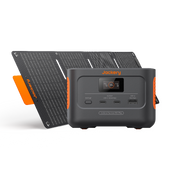
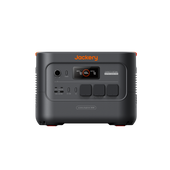
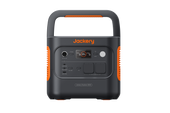
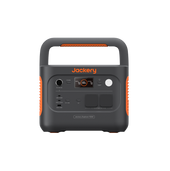
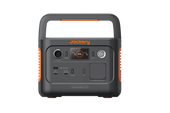
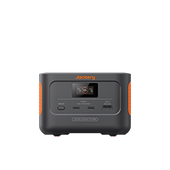
- High-Capacity Portable Power Station (e.g., Jackery Explorer 300D / 500 v2): Cold temperatures accelerate battery drain on mobile phones, and maintaining power is crucial for navigation while hiking.
For European summer retreats—ranging from high-latitude regions like Scandinavia to high-altitude areas like the Alps—the complex, variable climate and the nature-focused, off-grid experience demand superior mobile power and equipment. Here are two recommended products for these settings:
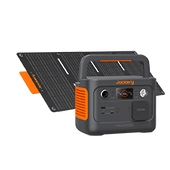
Jackery Explorer 300D Portable Power Station
Taking a Jackery Explorer 300D on a trip to cooler places in Europe can help keep essential devices powered during long summer days away from reliable sockets. Its 288Wh LiFePO4 battery and USB-focused outputs are suitable for charging phones, cameras, tablets, rechargeable fans, lights and compatible USB-C laptops.
This can be useful when travelling to mountain viewpoints, lakes, forests or remote campsites, where navigation, weather updates, photography and communication may all depend on a charged device.
At around 2.5kg, the Explorer 300D is easier to carry than a full-size portable power station and can fit into a car, camper or larger day bag. Its quiet, fanless operation (0 dB) also suits peaceful natural areas and shared campsites.
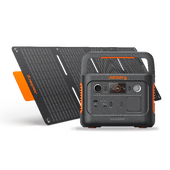
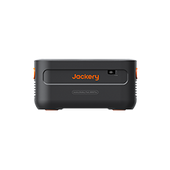
Jackery Explorer 500 v2 Portable Power Station
With a substantial 512Wh capacity and a stable 500W rated output, this model strikes a perfect balance between size and performance. The Jackery Explorer 500 v2 features a robust 12-layer Battery Management System (BMS), ensuring reliable operation even in the cold temperatures of high altitudes or during windy and rainy weather.
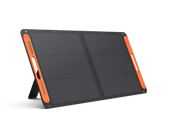
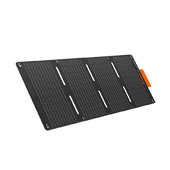
It is equipped with a versatile array of output ports—including an AC 230V pure sine wave outlet, USB-C ports, and a car charging socket—allowing multiple travelers to fast-charge their electronic devices simultaneously. Supporting both in-vehicle charging (full charge in 6 hours) and solar charging (200W input; full charge in 2.8 hours), it provides a reliable, continuous power supply for your European road trip.

Practical Tips for a Cool European Summer Getaway
While traveling to European summer retreats allows you to escape the heatwaves of Southern Europe, the unique climates of high-latitude or high-altitude regions require attention to specific details. Here are some practical tips:
Tip 1: Book Accommodation and Transport Early
Cool summer destinations (such as coastal areas, mountains, or Northern Europe) are popular with locals, so accommodation can be scarce. It is advisable to book your preferred hotels, vacation rentals, or rental cars months in advance to ensure a smooth trip.
Tip 2: Keep Your Itinerary Flexible
To truly escape the heat and relax, avoid overpacking your schedule. Plan only one or two key activities per day and schedule ample downtime in the afternoon to let your body fully rest.
Tip 3: Protect Against Sun Exposure at High Altitudes and During the "Midnight Sun"
High-altitude areas (like the Alps) have thin air and intense UV radiation, while Northern Europe experiences 18–24 hours of daylight in summer. Be sure to pack high-SPF (50+) waterproof sunscreen and reapply it regularly to prevent sunburn.
Tip 4: Carry Some Cash
Although digital payments are widely accepted across Europe, some mountain huts (*rifugi*), public restrooms, or locations on the outskirts of small towns may still only accept cash. It is recommended to carry 50–100 euros in small bills or coins.
Tip 5: Download Offline Maps
Mobile signals can be weak or non-existent in mountainous regions and high-latitude fjords. Download offline maps via Google Maps or AllTrails before you set out. Alternatively, bring a portable outdoor power station—such as a Jackery Explorer 300D or 500 v2—to keep your devices charged.
Tip 6: Purchase Travel Insurance
Summer getaways often involve outdoor activities like hiking, wild swimming, kayaking, or glacier cable car rides. When purchasing travel insurance, carefully review the policy terms to ensure coverage includes high-altitude hiking, water sports, and emergency medical evacuation.

Why are People Increasingly Keen on "Coolcations"?
"Coolcation" is a portmanteau of "cool" and "vacation." It refers to a growing travel trend where people—seeking to escape the sweltering heat of summer—forgo traditional tropical beaches or sunny Southern European coasts in favor of high-latitude regions (such as Scandinavia or Scotland) or high-altitude mountain areas (like the Alps or the Dolomites). This phenomenon has evolved from a niche preference into a mainstream global travel trend, driven by several factors:
Escalating Extreme Heatwaves
In recent summers, Southern Europe has repeatedly broken temperature records, with areas along the Mediterranean frequently exceeding 40°C. Such intense heat makes outdoor sightseeing unbearable and has even triggered severe wildfires and health crises related to heatwaves.
To avoid physical discomfort and safety risks associated with high temperatures, travelers are increasingly prioritizing "climatic comfort" when selecting their destinations.
Appealing Immersive Outdoor Activities
While scorching heat stifles the desire for outdoor activity, cooler climates offer greater freedom and a wider range of possibilities for summer vacations.
In cool environments, often with temperatures below 20°C, travelers can comfortably engage in physically demanding activities like alpine hiking, lake kayaking, mountain biking, and cold-water surfing without the risk of exhaustion caused by intense sun exposure and heavy sweating.
Avoiding Crowds
Traditional summer hotspots (such as Cabo da Roca, the Amalfi Coast, and Paris) are often overcrowded, plagued by traffic congestion, and expensive during the summer season. In contrast, many cool-weather destinations (such as the Faroe Islands or the Asturias region in northern Spain) see more dispersed crowds, offering a quieter, more private, and tranquil vacation atmosphere.
FAQs
The following are the frequently asked questions about the coolest places in Europe during summer:
1. Where are the best places to visit in Europe during the summer holidays?
The islands of Milos, Sifnos, Sardinia, Mallorca, and the Faroe Islands are must-see destinations; they are perfect for beach, sightseeing, and relaxing summer vacations.
2. Why is it worth going for cooler destinations in summer?
An alternative for those who struggle with high temperatures.
More comfortable travel and active sightseeing.
There are less crowds than in the famous southern resorts.
The brisk air promotes better sleep and healing.
3. What are the best summer vacation destinations in Europe?
Some of the top summer vacation places in Europe are Milos, the Amalfi Coast, Lake Como, Mallorca, and the French Riviera. They all had unique experiences, both on the beach and in the highlands.
4. What are the most classic high-altitude destinations in Europe for a summer escape?
Outdoor enthusiasts who enjoy the mountains should visit the Italian Dolomites, Chamonix-Mont Blanc in France, and Asturias in Spain.
5. How can you ensure your electronic devices stay powered while enjoying a summer getaway?
Summer travels frequently include activities such as mountain trekking, camping, and outdoor photography, so equipment like cellphones, drones, and cameras drain battery rapidly. We recommend taking a portable outdoor power station: the Jackery Explorer 300 Plus is ideal for mild hiking or picnics, while the Jackery Explorer 500 v2 is best for road trips and camping.
6. Why choose a summer retreat in Europe?
Because of global warming, Europe regularly experiences intense heatwaves in the summer. Summer temperatures in several traditionally popular places, like France, Spain, and Italy, frequently approach 40 degrees Celsius. As a result, choosing a destination with a greater latitude or altitude is a wise decision for a more comfortable vacation.
7. Why choosing a coolcation could be more sustainable?
Visiting cool places in Europe during the summer benefits more than just you. You'll also be helping to relieve congestion in popular tourist areas. And, owing to the cooler temperatures, you'll enjoy the increased well-being that comes with being able to spend more time outside.
8. How far in advance should I book for a summer getaway?
To guarantee a seamless trip and maybe gain lower rates, book hotels, vacation rentals, and vehicle rentals at least 1-2 months in advance—if not sooner.
Conclusion
A European "coolcation" offers the perfect balance of refreshing climates, breathtaking scenery, and uncrowded outdoor adventures. By choosing higher-latitude or high-altitude destinations, you can trade sweltering heat for invigorating mountain hikes, scenic picnics, and memorable water activities.
With smart planning—such as booking early, dressing in layers, and carrying travel essentials—your trip will be both comfortable and stress-free. Equipped with dependable power solutions like the Jackery Explorer 300D or Explorer 500 v2, you can confidently explore Europe’s coolest landscapes, capture every moment, and enjoy an unforgettable summer escape.


