



















As extreme summer heatwaves increasingly threaten Europe's aging electrical grids, localised blackouts and soaring energy prices have become the new normal. Preparing your home for a sudden power outage is no longer optional—it is essential for survival.
For millions of households, a sudden blackout during extreme heat is not just an inconvenience—it is a direct threat to safety, food supplies, and communication. To keep your air conditioning, refrigerators, and medical equipment running when the grid fails, investing in reliable backup power is your best defense.
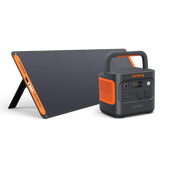
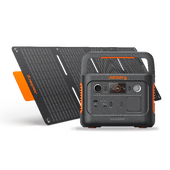
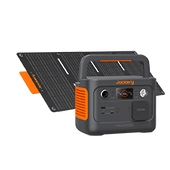
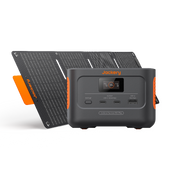
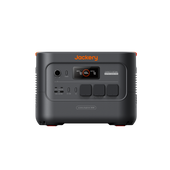
High-capacity, emission-free systems like the Jackery Solar Generator 2000 v2 and Jackery Solar Generator 3000 v2 offer the perfect, seamless energy security to keep your family cool and connected through any summer crisis.
|
Key Takeaways: |
|
Heatwave Power Outage in Europe: Which Countries Are Most Affected?
As Europe continues to face an escalating heatwave, record temperatures are doing what years of grid planning tried to prevent: reducing nuclear production, tripping local distribution networks, and requiring grid operators to implement costly emergency measures all at once. The tension is obvious from Germany to the United Kingdom to Italy.
France’s nuclear power generation capacity compromised
France is taking the most severe supply-side blow. Enedis, a French energy distributor, warned on Monday (June 22, 2026) that temperatures underground can reach up to 80C (176F), potentially compromising portions of the subterranean electrical network, according to Franceinfo. Meanwhile, EDF, the country's electricity provider, shut a reactor at the Golfech nuclear power station late Monday to avoid exceeding the Garonne River's warming threshold of 28C (82.4F), according to BFMTV.
Italy faces a surge in electricity prices
Italy carries its own set of risks. According to grid specialists quoted by Montel News, Italy's position is one in which recurrent heatwaves increase the likelihood of localised blackouts if transmission system strains remain. According to Montel News, Q3 electricity rates in the country might rise 36% year on year, owing to increased cooling demand and persistent gas supply issues.
German power grid faces widespread pressure
Heat led to a power outage in Germany, leaving thousands of consumers without energy at a time when demand was high due to World Cup viewing, according to Montel. Transmission system operators acted rapidly to reassure markets, indicating that high-voltage networks were stable and that the problem had been isolated at the distribution level.
The UK urgently dispatches high-priced imported electricity
The National Energy System Operator (NESO) agreed on Friday (June 26, 2026) to import electricity from continental Europe at a price of £200 per megawatt-hour—enough to meet the needs of three million typical British households—nearly three times the average price recorded in June of the previous year.

Why Do Power Outages Occur During European Heatwaves?
As the temperature rises during European heatwaves, power consumption rises, with houses, businesses, and public buildings blasting their air conditioners nonstop. The increased demand puts significant strain on electricity plants, transmission lines, substations, and distribution systems. Here are some of the primary reasons of power disruptions during the heatwave:
Surge in Electricity Demand
During a heat wave, power consumption frequently peaks for the entire year. Air conditioners, refrigeration units, cooling systems, industrial equipment, and other devices are always in operation to maintain acceptable interior temperatures. Insufficient generating and transmission capacity to satisfy demand makes the power system unstable.
Reduced Efficiency in Power Generation
Power stations, whether nuclear, coal, or gas-fired, use river or ocean to cool. When heatwaves cause river temperatures to rise (or flow rates to fall owing to drought), facilities are legally compelled to limit output or even shut down altogether to preserve river ecosystems from thermal pollution—as was the case when numerous nuclear reactors in France were forced to cut production.
Overheat the Grid Infrastructure
Extreme heat can drive electrical infrastructure beyond its design capacity. Transformers, substations, and gearbox equipment must operate safely, which requires efficient heat removal. During prolonged heat waves, these systems may struggle to maintain sufficient cooling. This is how heat causes power outages.
Physical Short Circuit Due to Sagging Transmission Cables
Power lines grow naturally during hot weather. When temperatures reach extremely high levels, transmission and distribution lines can droop dramatically, increasing the risk of collision with trees, buildings, or other objects along the path. Excessive sagging might cause precautionary shutdowns or physical damage to the network.
Overloaded or Ageing Power Systems
Many electrical systems were created decades ago and were not prepared to meet today's rising energy needs and increasingly frequent heat waves. Transformers, substations, and gearbox assets that are getting older may be less capable of running in high-temperature environments for an extended period.

Heatwave Power Outage in Europe: What Are the Risks?
Heatwave-caused power outages in Europe are more than just disruptions to the electrical supply; they have a domino effect, posing serious hazards to various important sectors of society. These dangers can emerge in the following ways:
Disruption of Food and Water Supplies
Power disruptions during heatwaves prevent access to healthy food and safe drinking water. Refrigerators and freezers fail to maintain acceptable temperatures, allowing perishable commodities like meat, dairy products, and processed meals to degrade quickly. This not only causes financial losses for households, but also raises the danger of foodborne disease.
Communication Disruptions
Outages disrupt regular communication; cellphones, internet gadgets, and wireless routers may lose power, making it harder to receive weather warnings or emergency notifications. Furthermore, concerns such as full lift shutdowns in high-rise buildings and urban traffic signal system failures can disrupt municipal operations.
Severe Public Health Risks
Extreme heat, particularly during extended heatwaves, poses significant public health hazards when combined with power outages. Without electricity, air conditioners, fans, and other cooling equipment stop working, causing indoor temperatures to climb quickly. This increases the danger of heat exhaustion, dehydration, and fatal heatstroke, particularly among newborns, the elderly, and anyone with heart or respiratory issues.
Limited Access to Medical and Emergency Services
Healthcare services are already overburdened during heatwaves due to an inflow of patients suffering from heatstroke and cardiovascular disorders; power outages worsen this severe scenario. Furthermore, power outages can delay emergency services and impede ambulance delivery, making it exceedingly difficult to obtain immediate medical attention.
Significant Drop in Economic Productivity
Heatwave-related power disruptions have far-reaching economic effects for businesses, communities, and key infrastructure. If equipment fails, interior surroundings become unhealthy, or companies are unable to service clients, they may be compelled to close temporarily, resulting in lost revenue and lower productivity. Extreme heat poses structural dangers to Europe's GDP growth, which continues to slow.

Heatwave Power Outage in Europe: Response Measures
Facing extreme heatwaves and potential power outages—and the resulting loss of air conditioning and refrigeration—your home can quickly become unbearable. Blind anxiety won't help in such a severe survival situation; only by mastering scientific coping strategies can you and your family safely weather the crisis. Here are some practical measures for your reference:
Keep Indoors Cool
Without air conditioning, blocking heat and using physical cooling methods are key to maintaining a livable indoor temperature.
- Physical Insulation: Keep doors and windows tightly closed during the day, and draw blackout curtains or blinds to block out heat.
- Nighttime Ventilation: Open windows only when temperatures drop at night or in the early morning; use fans to exhaust hot air and create airflow.
- Utilise Lower Levels: Stay on lower floors or in the basement whenever possible, as hot air rises and temperatures are cooler at lower levels.
Ensure Food Safety
Power outages directly threaten the cold chain in your refrigerator; preventing food poisoning is a top priority during high heat.
- Minimise Refrigerator Opening: A closed refrigerator can safely maintain cold temperatures for 4 hours; a fully stocked freezer can hold its temperature for up to 48 hours (24 hours if half-full).
- Prepare Ice in Advance: If a power outage is anticipated, fill your freezer with ice. Once the power goes out, you can transfer the ice to the refrigerator compartment to help maintain a low temperature.
- Stock Up on Ready-to-Eat Foods: Prepare foods that require no heating or refrigeration, such as canned goods, oats, nuts, crackers, and protein bars.
Keep Devices Charged
When signal and power are lost, battery life becomes your only link to the outside world.
- Charge Devices Early: Fully charge your mobile phones, tablets, and power banks immediately upon the issuance of a heatwave warning.
- Switch to Power-Saving Mode: As soon as the power goes out, switch your phone to power-saving mode; turn off Bluetooth, GPS, automatic updates, and unnecessary background apps, and lower the screen brightness to the minimum.
- Minimise High-Energy Activities: Avoid playing games or watching videos on your mobile phone during a power outage. Make calls only when necessary; opt for low-energy text messages or instant text-based chats instead.

Meeting Medical Needs
For individuals who rely on electronic medical devices or specific medications, a foolproof backup plan is essential during power outages.
- Alternatives for Medication Refrigeration: Many medications, such as insulin, require refrigetion. Prepare a cooler box and a sufficient supply of ice packs in advance to serve as a temporary "medicine refrigerator" during an outage.
- Register for Priority Medical Support: Notify your local utility company and community authorities in advance if there is a household member who relies on life-support equipment, such as an oxygen concentrator, ventilator, or dialysis machine. In some regions, priority power restoration or temporary generator support is provided for such individuals.
Prepare an Emergency Kit
Gather all emergency supplies into a single, waterproof, and portable "survival kit."
- Sufficient Drinking Water: Stock at least a 3-day supply, based on a minimum of 3 liters per person per day (increase to over 4 liters during heatwaves).
- Emergency Lighting: Prepare high-brightness LED flashlights, camping lanterns, headlamps, and plenty of spare batteries. Avoid using candles, which pose a fire hazard.
- Hand-Crank Radio: Prepare a multi-functional radio that supports hand-crank or solar charging to receive disaster-related broadcasts.
- Basic First-Aid Supplies: Stock up on saline solution, adhesive bandages, painkillers, and heat-relief medications (such as electrolyte powder or oral rehydration salts).
Backup Power Options
If possible, set up a physical backup power system for your home or workplace.
- Portable Power Station: Purchase a high-capacity portable power station using LiFePO4 (Lithium Iron Phosphate) technology; these are safe and capable of powering electric fans, small refrigerators, or medical equipment for several hours.
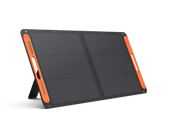
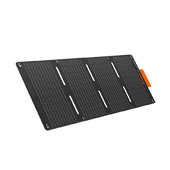
- Solar Panels: Prepare foldable, portable solar panels to continuously recharge power banks and mobile phones using the intense sunlight of a heatwave.
- Solar Generator System (e.g., Jackery Solar Generator 2000 v2 / 3000 v2): Unlike gasoline or diesel generators, these can operate safely and without pollution in enclosed spaces like indoors or garages.
With heatwaves becoming increasingly frequent across Europe during the summer, power grids operating under heavy loads face a constant risk of collapse or rolling blackouts. In such scenarios, a reliable, independent home emergency power system ensures your quality of life remains intact. Here are two Jackery portable solar generators recommended for their high performance and exceptional durability.
Recommendation 1: Jackery Solar Generator 2000 v2
This model boasts a substantial 2042Wh capacity and a rated output of 2200W (4400W peak). Should unexpected blackouts occur during European heatwaves, it easily powers essential appliances such as refrigerators, electric fans, and even induction cooktops.
At its core lies a safer, more durable Lithium Iron Phosphate (LiFePO4) battery, supporting over 4,000 charge-discharge cycles—ensuring robust performance year after year, even when frequently handling sudden summer power outages.
It also supports ultra-fast charging, reaching full capacity in just 1.7 hours via a wall outlet, while pairing with bifacial solar panels (SolarSaga 200W) allows for efficient recharging under intense European sunlight.
Recommendation 2: Jackery Solar Generator 3000 v2
This unit elevates energy storage to an impressive 3072Wh and delivers an AC output of up to 3600W (7200W peak). This means that during prolonged heatwave-induced outages, it can simultaneously power high-draw appliances like refrigerators and portable air conditioners, as well as critical health-monitoring equipment such as ventilators—completely eliminating the discomfort and anxiety caused by power loss.
It also features a highly reliable, seamless Uninterruptible Power Supply (UPS) function with a switchover time of less than 20 milliseconds. In the event of a sudden blackout, it automatically takes over power delivery for sensitive electronics (such as home-office computers and ventilators), ensuring uninterrupted operation.

Develop an Emergency Plan Plan
Do not wait until the lights go out and the signal cuts off to figure out what to do; it is best to prepare an emergency plan in advance.
- Stay Informed: Save the local power company’s emergency contact number on your phone and keep track of official updates regarding power restoration progress.
- Coordinate with Family: Agree in advance on emergency contact methods and a backup meeting point in case communication is lost or evacuation becomes necessary.
- Look out for Neighbors: Pay special attention to elderly people living alone or individuals with disabilities in your neighborhood. Establish a mutual understanding with neighbors to check on each other’s safety during a power outage and share limited resources (such as ice or spare batteries).
Can Renewable Energy Save Europe's Overburdened Power Grids During Heatwaves?
Renewable energy—particularly solar power—played a pivotal role in safeguarding Europe's power grid against the high temperatures and potential failures caused by extreme heatwaves; however, it could not resolve the crisis single-handedly. Below, we provide a comprehensive assessment of the performance of renewable energy:
As heatwaves raged and temperatures soared past 40°C, the surge in electricity demand—peaking at up to 14%—was driven largely by the heavy use of air conditioning and other cooling systems; this spike coincided perfectly with peak solar generation periods. Furthermore, extreme heat imposes physical constraints on conventional power generation (such as nuclear and thermal power). In this context, record-breaking solar output stepped in to fill the gap left by traditional energy sources, ensuring a balance between supply and demand across the grid. “In the peak days of the heatwave, solar delivered up to 50 GW of power in Germany alone, generating 33–39 per cent of Germany’s electricity,” Ember states.
Potential Limitations of Renewable Energy During Heatwaves
As extreme weather intensifies, the inherent limitations of renewable energy have also become apparent:
- Reduced Efficiency at High Temperatures: The rated operating temperature of photovoltaic panels is typically 25°C. During extreme heatwaves exceeding 40°C, the actual power generation efficiency of solar panels can drop by 15% to 20%.
- Inability to Meet Total Electricity Demand: The stifling heat often persists late into the night. Once the sun sets, cooling demand remains high, yet current energy storage capacity is insufficient to fully cover the nighttime supply gap.
- Strain on Grid Infrastructure: Integrating vast amounts of distributed solar power places immense physical stress on aging transmission lines and transformers; in some cases, midday voltage overloads can even force system shutdowns.
FAQs
The following are the frequently asked questions about the heatwave power outage in Europe:
1. Can hot weather cause power outages?
Yes, hot temperatures may lead to power disruptions immediately. During a heat wave, the demand for energy rises dramatically because many households and businesses use air conditioners, fans, and cooling equipment. At the same time, excessive temperatures can result in power equipment efficiency losses, overheated transformers and substations, and sagging power lines.
2. Are rolling blackouts common during heat waves?
During high heat waves, when demand for power approaches or surpasses available supply, rolling blackouts can occur. Utility operators can switch off electricity to certain locations on a rotating basis to prevent the grid from collapsing more generally. While not every heat wave results in rolling blackouts, they are more common when record-breaking temperatures, strained system conditions, or restricted power generating capacity are present.
3. Why do heat waves increase power outage risks?
Heat waves raise electricity consumption while decreasing the efficiency of power infrastructure and generation systems.
4. Should I open windows during a heatwave?
Yes — but only at the appropriate moments. To let cool air in, open your windows early in the morning before the temperatures soar. Close them after the external temperature reaches the internal temperature, which usually happens in the middle of the morning. Reopen at night when external temperatures fall below those inside. The idea is to capture cold air overnight and hold it in during the day.
5. How do you stay cool during a heatwave power outage?
Closing shades, utilising battery-powered fans, staying hydrated, and increasing ventilation during cooler overnight hours can all help limit heat exposure.
6. Who is most at risk during heat-related outages?
Older persons, newborns, young children, and people with chronic health concerns are most vulnerable to heat-related outages. These people are particularly vulnerable to dehydration, heat exhaustion, and heat stroke in the absence of air conditioning or cooling technology.
7. What should you do before a summer blackout?
Charge critical gadgets, stockpile emergency supplies, and have additional water, illumination, and backup charging options handy.
8. Can I charge using solar panels during a power outage?
Yes. The Jackery Solar Generator 2000 v2 and Jackery Solar Generator 3000 v2 are suggested solutions since they not only use free solar energy but also enable seamless Uninterruptible Power Supply (UPS) switching with a transfer time of less than 20 milliseconds. In the case of an unexpected power loss, the unit immediately powers sensitive electronic devices (such as home-office computers or ventilators), assuring continuous functioning.
Conclusion
As intensifying heatwaves continue to push Europe's aging power grids to their limits, proactive preparation is no longer optional—it is a necessity. While renewable energy offers vital support during peak hours, securing your own energy independence remains the most reliable defense against sudden blackouts.
Equipping your home with a robust backup system like the Jackery Solar Generator 2000 v2 or the high-capacity Jackery Solar Generator 3000 v2 ensures your critical appliances, medical devices, and cooling systems stay powered when the grid fails. Do not wait for the lights to go out; taking the time to learn how to prepare for power outage in heatwave extremes today ensures your family remains safe, cool, and connected tomorrow.


