















As heatwaves become more frequent and severe across Europe, summer temperatures are increasingly reaching dangerous, even unbearable, levels.
Driven by stubborn high-pressure systems, these prolonged periods of intense heat persist through both day and night, posing severe health risks like dehydration and heatstroke, especially to vulnerable groups.
Staying safe requires more than just waiting out the sun; it demands smart, proactive strategies. This guide offers practical tips for staying cool during a heatwave, both at home and outdoors, ensuring you and your loved ones remain safe and comfortable.
|
Key Takeaways: |
|
What Is a Heatwave?
A heatwave is a period of extremely hot weather that lasts many days and nights. Unlike a single hot summer day, temperatures stay high overnight, preventing your body and house from adequately cooling off.
Heatwave warning criteria vary by location and are decided by local meteorological agencies based on daytime and nighttime temperatures measured over many days.
For example, the European State of the Climate 2023 definition was 'a period of at least three consecutive days where both the daily surface air temperature minima and maxima are greater than the highest 5% of values for the day in question over the 1991-2020 reference period'.
What Causes a Heatwave?
Heatwaves are largely created by high-pressure systems that trap warm air in one region, preventing it from dispersing. These high-pressure systems, also known as anticyclones, form a dome of heat by pushing air to sink and compress, raising surface temperatures.
The lack of cloud cover under these high-pressure systems allows for more solar radiation, which heats the ground and the air above it. This combination of elements can lead to protracted periods of extremely high temperatures, which can last many days or weeks.
Rising global temperatures, increasing urbanisation, and land-use change are further contributory causes. These variables all contribute to the frequent occurrence of heatwaves.

What Are the Risks of a Heatwave?
When you think about extreme weather, you may see flooded streets, storm damage, or burning flames. However, heat is the true killer, claiming more lives than floods, storms, and wildfires combined. Heatwaves across the region are having an impact on millions of people's health and livelihoods.
Unlike other calamities, heat frequently leaves little apparent trail of ruin. Rather of producing acute harm, it frequently exacerbates pre-existing cardiovascular, pulmonary, and other chronic illnesses, making the consequences considerably less evident.
The Actual Impact of Heatwaves in Europe
Heat accounts for approximately 95% of mortality associated with weather and climatic extremes in Europe. Heat killed about 60 000 people in 35 nations throughout the region in 2022, and 47 500 in 2023. Early estimates for this year's June heatwave indicate a significant human toll. According to a fast modelling analysis, severe temperatures may have killed more than 20,000 people. (Source: Zenodo).
According to the data, there were likely more than 5,000 extra fatalities in France, 4,500 in Germany, more than 3,000 in Spain, 2,700 in Italy, 1,070 in Poland, and 862 in the United Kingdom between June 22 and 28.
Who is Most Vulnerable to Heatwaves?
Heatwaves can harm anybody, but the most vulnerable persons are those 65 and older, newborns, and small children aged 5 and younger.
Furthermore, persons with major long-term health problems such as heart disease, dementia, diabetes, renal illness, Parkinson's disease, mobility issues, mental health difficulties, or drug or alcohol addiction.
How to Keep Cool in a Heatwave: Practical Tips for Home?
As heatwaves spread throughout Europe, many people are finding days with increasing temperatures unpleasant. However, you do not have to endure this scorching heat. By implementing a few basic behaviours, you and your family may enjoy a cool, comfortable summer without relying on energy-intensive equipment.

Spend Time in the Coolest Spaces in Your Home
North-facing rooms or those on the ground floor are often cooler than those immediately exposed to the sun. If you work from home or just want to relax, select these cooler spots during the warmest hours of the day. During a heatwave, you may want to consider sleeping on the floor in these regions.
Close the Shutters and Blinds Before the Sun Hits the Windows
As soon as sunlight reaches the window, inside temperatures rise. Closing shutters, blinds, or blackout curtains before direct sunlight enters your windows helps to halt this process. Especially in south- or west-facing rooms that get the most afternoon sun.
Ventilate Your Home Only While It's Chilly Outdoors
If the outside air is warmer than the air inside your home, you're just allowing more heat in. Instead, open your windows early in the morning or late in the evening, when the outside temperature has decreased. If your property has windows on opposite sides, open them both at the same time to promote natural ventilation.
Reduce Interior Heat Sources
Many household equipment, such as ovens, hobs, tumble dryers, desktop computers, televisions, and certain lights, create heat when in use. Whenever feasible, prepare cold meals, run your dishwasher or washing machine in the evening, and turn off any electrical gadgets that are not being used.
Cold Compresses and Localised Rinsing
When you feel warm, immediately rinse with cold water or use a cool, damp cloth to the regions most susceptible to temperature regulation, such as the back of the neck, inner wrists, and armpits. Cold compresses can quickly reduce the temperature of the blood that circulates throughout your body, creating an instant chilling feeling.
Use Fans and Air Conditioning Wisely
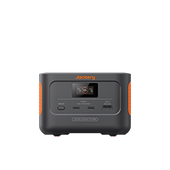
While fans do not directly reduce the room temperature, they do speed the drainage of perspiration from your skin, resulting in a cooling breeze effect. If you have air conditioning, keep the temperature between 24°C and 26°C—but be aware of high power expenses. Having a Jackery Solar Generator on standby helps you to keep cool while harnessing free sun energy.
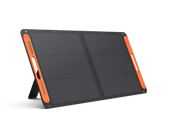
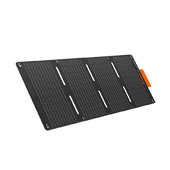
During European heatwaves, localised power outages or rationing caused by heavy electrical loads often catch people off guard. Jackery Solar Generators ensure that essential cooling appliances—such as fans, air conditioners, and refrigerators—keep running smoothly. Simply connect the solar panels on your balcony or in your garden during the day to harness a continuous supply of free solar energy.
How to Keep Cool in a Heatwave: Practical Tips for Outdoors
While staying indoors is the safest option during a heatwave, going outside is occasionally necessary due to work, commuting, or doing errands. Here are some practical ideas for remaining safe and comfortable when doing outdoor activities in hot weather.

Avoid Going Out During Peak Heat
Avoid the warmest period of the day, which is often between 11:00 a.m. and 3 p.m. Plan your trips for early morning or late afternoon/evening. If you must go out during peak hours, limit your time outdoors.
Stay in the Shade Whenever Possible
Avoid extended exposure to direct sunlight while walking or relaxing outside. Plan your route to take advantage of shade from buildings or tree-lined streets, or visit parks with a lot of greenery.
Wear Light-Colored and Lightweight Cotton Garments
Choose light-colored clothes (such as white or beige), as they reflect the most sun energy. Choose cotton, linen, or high-tech quick-drying fabrics that are lightweight and breathable, allowing perspiration to escape rapidly.
Carry a Water Bottle, and Drink Regularly
Sweating is a quick way for the body to shed fluids at hot temperatures. Carry a reusable water bottle and refill it regularly. Many European cities include public drinking fountains. Drink water on a regular basis, even if you don't feel thirsty.
Wear a Sunhat and Sunglasses
Intense sunshine not only elevates the body's warmth but also causes sunburn. A wide-brimmed hat is advised to give adequate shade for your head, face, and back of the neck. Wear UV-protective sunglasses to screen your eyes from strong light.
Use an Appropriate SPF Sun Cream and Keep It Topped Up
To help guard against sunburn and long-term skin damage, apply broad-spectrum sunscreen with an SPF of at least 30 and reapply it often [every two hours]. Apply to all exposed skin regions, and reapply after swimming or showering.
Take Full Use of Cool Public Areas
Libraries, museums, retail malls, movie theatres, and certain cafés are often air-conditioned, giving a cooling effect to keep you comfortable. Consider taking buses, metros, or trams during the warmest hours to travel around; presumably, they offer conditioning.
Check the Local Heat Advisories
Many European nations issue heat advisories with advice and may restrict business hours or public services during excessive heat. Visit their websites or apps for the most up-to-date information. Watch TV and listen to the radio for weather and heat updates.
How to Keep Cool in a Heatwave: A List of Useful Equipment and Items
While seeking shade, drinking enough of water, and avoiding the hottest hours of the day are still necessary, technology is now providing new methods to deal with the heat.
A rising number of products, ranging from handheld fans to wearable air conditioners, are meant to keep people cool during heatwaves. Here's a handpicked selection of goods to help you remain cool during a heatwave that you might want to consider purchasing:

Home Essentials for Keeping Cool in a Heatwave
In traditional European homes lacking central air conditioning, these household items can help significantly lower your body temperature and ensure a restful sleep:
- Cooling Blanket
- Cooling Pillowcase
- Air Cooler
Portable Devices for Keeping Cool in a Heatwave
When commuting, shopping, or engaging in necessary outdoor activities, these portable gadgets help you beat the scorching sun wherever you go:
- Handheld Fan
- Neck Fan
- Wearable Air Conditioner
- Cooling Face Mask / Neck Gaiter
Pet Products for Keeping Cool in a Heatwave
Pets like cats and dogs lack sweat glands; they rely on their paw pads to dissipate heat and pant to regulate their body temperature, making them more susceptible to heatstroke than humans. These specialised products offer thoughtful protection for them during heatwaves:
- Pet Cooling Mat
- Pet Cooling Vest
- Specialised Cooling Bed
Portable Power for Charging Cooling Devices Indoors and Outdoors with Solar Energy
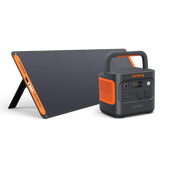
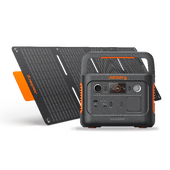
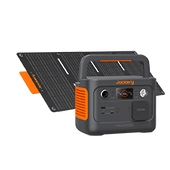
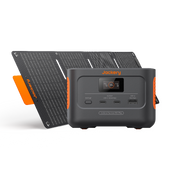
A Jackery Solar Generator can provide portable electricity for cooling devices during a European heatwave, both at home and outdoors. It can power equipment such as fans, portable fridges, misting devices, phones, laptops and selected compact cooling appliances when a wall socket is unavailable or during a local power interruption.
Paired with compatible Jackery Solar Panels, it can recover part of the energy used during daylight, making it useful for camping, garden use, motorhome trips and temporary backup at home.
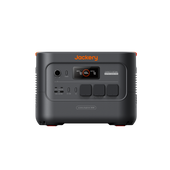
Jackery Solar Generator 1000 v2
Flexible and portable: The top choice for cooling small to medium-sized homes
With a capacity of 1070Wh (approx. 1 kWh) and a rated output of 1500W, this model is tailored for daily home emergencies and small-to-medium cooling appliances. More compact and lightweight than its predecessor, it easily powers set-top boxes and digital devices, while keeping multiple desk fans, air circulators, or portable coolers running for hours during a heatwave.
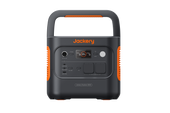
Jackery Solar Generator 2000 v2
Balanced performance: A powerhouse for portable cooling appliances
It significantly boosts capacity to 2042Wh (approx. 2 kWh) and delivers a powerful 2200W output, easily driving most medium-sized home appliances and ensuring uninterrupted, long-term operation for high-power fans and portable cooling units. Even if the European power grid suffers a prolonged, widespread failure due to extreme heat, it can take over the power supply within 20 milliseconds.
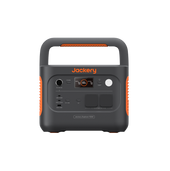
Jackery Solar Generator 3000 v2
Flagship high capacity: A worry-free power hub for the whole family
This model boasts an impressive 3072Wh (approx. 3 kWh) ultra-large capacity and an output of up to 3600W (with a peak surge of 7200W). This means it can effortlessly power large home air conditioners, full-sized refrigerators, microwaves, and multiple fans simultaneously. Its highly efficient 1,000W solar input allows it to recharge rapidly during the day—even when completely off-grid—reaching a full charge in just 3.5 hours.

What Health Risks are Associated with the Extreme Heat of a Heatwave?
You’re at increased risk of dehydration, sunburn, heat exhaustion and heatstroke during extreme heat. It’s important to be aware of the signs and symptoms. Here is some specific information for reference:
Dehydration
Excessive sweating in high temperatures, if not met with timely fluid replenishment, leads to an imbalance of body fluids and electrolytes. This can cause dizziness, headaches, and dark, scanty urine; in severe cases, it may lead to kidney failure.
- Countermeasures: Replenish fluids proactively and regularly. Do not wait until you feel thirsty to drink; increase your daily water intake beyond normal levels. Keep room-temperature water or electrolyte-rich sports drinks on hand, and avoid diuretic beverages such as alcohol and high-sugar, caffeinated drinks.
Sunburn
Intense ultraviolet (UV) radiation accompanying heatwaves can burn the skin, causing redness, stinging pain, and blistering. Prolonged exposure accelerates skin aging and significantly increases the risk of skin cancer.
- Countermeasures: Employ comprehensive physical and chemical sun protection. Avoid direct sun exposure during midday; apply high-SPF (30+) sunscreen before going out, and wear wide-brimmed hats, sunglasses, or long-sleeved sun-protective clothing.
Heat Exhaustion
This condition results from prolonged exposure to high heat, where excessive sweating causes a significant loss of water and salt. Symptoms include profuse sweating, pale skin, extreme fatigue, nausea, rapid heartbeat, and a drop in blood pressure.
- Countermeasures: Move immediately to a cool place to lower body temperature. Quickly relocate to an air-conditioned indoor area or the shade of a tree, loosen clothing, wipe the body with a wet towel or take a cool shower, and slowly drink cool water. Seek medical attention immediately if symptoms persist for more than an hour without relief.
Heatstroke
The most severe and potentially fatal heat-related illness. The body's temperature-regulating mechanism fails completely, causing the core body temperature to spike above 40°C. Sweating ceases (the skin becomes flushed and hot instead), accompanied by confusion, convulsions, and coma; it can rapidly lead to multi-organ failure and death.
- Countermeasures: Treat as a medical emergency. If symptoms are detected, call emergency services immediately (dial 112 if within the European Union). While awaiting rescue, move the patient to a cool, shaded area and actively lower their body temperature by applying ice packs or clothing soaked in cold water to areas with major blood vessels, such as the head, neck, armpits, and groin.

Keep Cool in a Heatwave: Cool Places in Europe
Heatwaves commonly strike many regions of Europe in July and August, making daily living unpleasant and even dangerous. More and more people chose colder locations of Europe to escape the heat. Here are some cool spots:
The Faroe Islands (Denmark)
Average summer temperature: 11–14°C
This little Danish archipelago, located between Iceland and Scotland, has a consistently cold climate even during the peak European tourist season. Temperatures seldom get over 14°C in July and August, and the regular rainfall and wind ensure that the scenery remains lush green all year.
Bergen (Norway)
Average summer temperature: 15–18°C
Located on Norway's western coast, surrounded by mountains and magnificent fjords, the city's temperature seldom rises beyond 18°C in July and August. The frequent rains and sea wind keep the air fresh and invigorating, and the surroundings are lush with foliage and striking contrasts.
Zell am See-Kaprun (Austria)
Average summer temperature: 18–22°C
The altitude of the terrain, the proximity of the Alps, and the existence of the Kitzsteinhorn glacier all contribute to exceptionally comfortable summer temperatures here, especially when contrasted to Europe's sun-drenched south.
Madeira (Portugal)
Average summer temperature: 20–25°C
Its location and unique microclimate provide pleasant temperatures all year. In the summer, when mainland Europe experiences heatwaves, Madeira's thermometers seldom get over 25°C, and the lovely sea wind and thick flora keep the environment cool and agreeable.
FAQs
The following are the frequently asked questions about how to keep cool in a heatwave:
1. What is a heatwave?
A heatwave is a period of extremely hot weather that lasts many days and nights. Unlike a single hot summer day, temperatures stay high overnight, preventing your body and house from adequately cooling off.
2. Why can a heatwave be dangerous?
When severe temperatures last for several days, your body must work significantly harder to maintain its regular temperature of 37°C. Sweating rises to assist cool the body, but if you don't replenish the fluids you lose, dehydration can occur rapidly. Prolonged heat exposure can also cause headaches, muscular cramps, dizziness, exhaustion, and even heatstroke, a medical emergency that requires rapid care.
3. What's the ideal indoor temperature during summer?
There is no single optimal temperature, however many experts suggest aiming for 25-26°C if feasible. More importantly, avoid generating a large temperature differential between indoors and outside, since this might limit comfort while travelling between the two.
4. How can I keep my bedroom cool during a heatwave?
Close your shutters or blinds early in the morning, ventilate the space only when external temperatures drop below inside levels, and eliminate unneeded heat sources. If your bedroom consistently exceeds 30°C at night, a portable air conditioner might greatly enhance your sleep quality.
5. How can you protect older adults during a heatwave?
Encourage them to drink water on a regular basis, keep their home as cool as possible, avoid outside activities during the warmest hours, and communicate with them frequently. Extended durations of intense heat necessitate extra precautions.
6. How can I keep cool at night?
Sleep on the lowest floor of your house if feasible. Switch to summer bedding: if you have a duvet, replace it with a lighter duvet or sleep on light cotton sheets. Take a chilly shower before bed to reduce your body temperature before falling asleep.
7. Are fans really effective during a heatwave?
The quick answer is yes, but probably not for the reasons most people believe. Contrary to popular opinion, a fan does not reduce the temperature of a room. It neither produces cold air nor cools the air. Instead, it circulates the ambient air around you.
8. How can I stay cool when I'm out and about?
Avoid spending too much time outside or exercising during the warmest part of the day (11 a.m. to 3 p.m.), and stay in the shade if possible. Wearing light-coloured, lightweight cotton clothes can help you stay cool. Wear a sun hat and bring a water bottle with you.
Conclusion
Keeping cool in a European heatwave requires a proactive blend of smart habits and the right equipment. Whether you are creating a cross-breeze at home, seeking air-conditioned public sanctuaries, or utilizing high-tech gear like wearable coolers and specialised pet mats, small adjustments make a massive difference.
For uninterrupted comfort, reliable backup systems like Jackery Solar Generator 1000 v2, 2000 v2 and 3000 v2 can keep your essential fans and cooling units running seamlessly without inflating your energy bills. Ultimately, prioritizing hydration, monitoring local heat advisories, or even planning a refreshing "coolcation" to places like Bergen will help you safely beat the heat and enjoy a cool summer.


